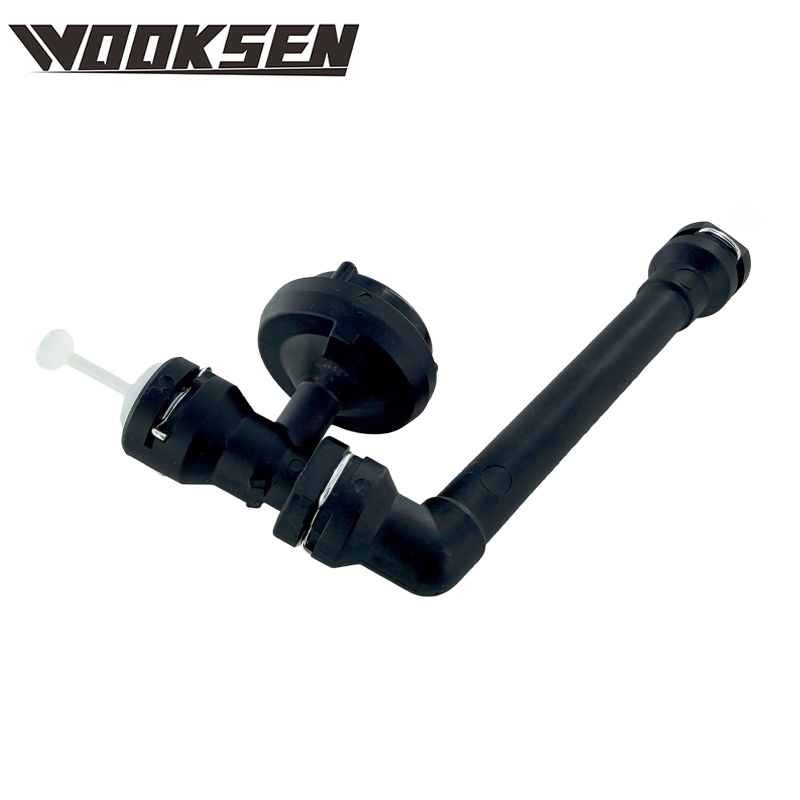
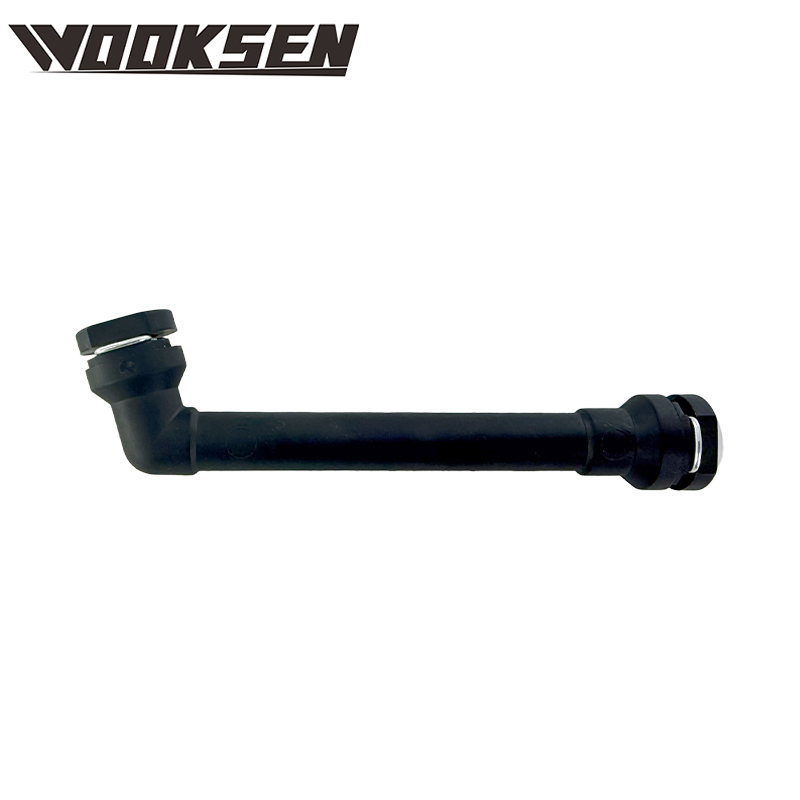
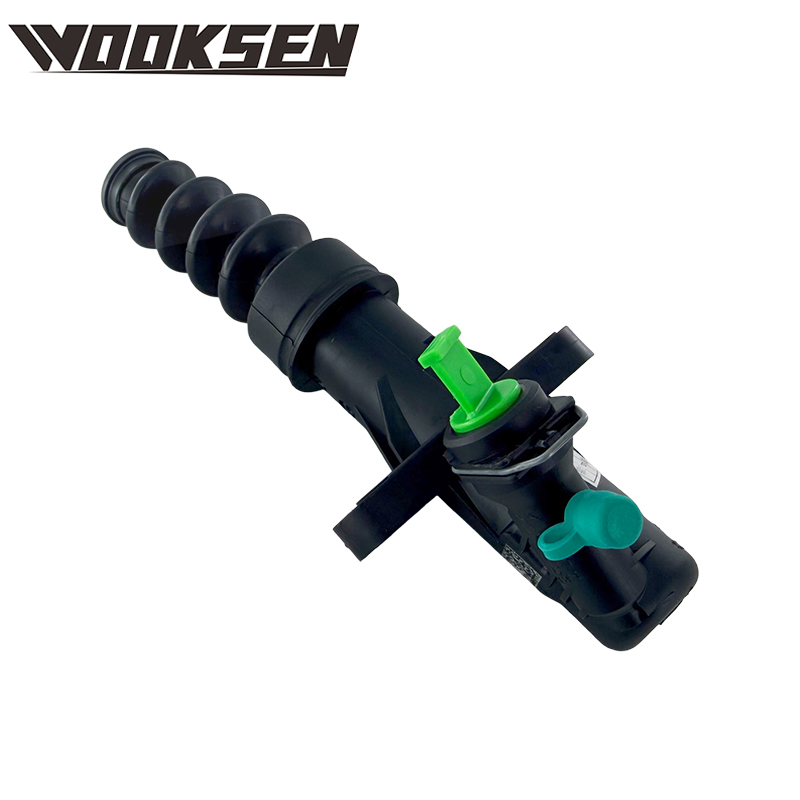
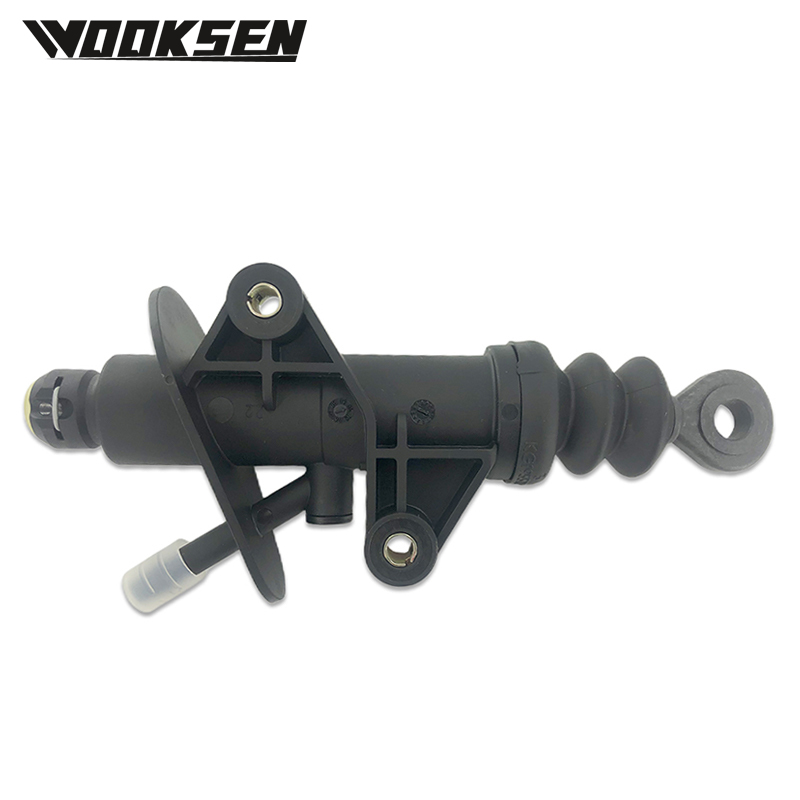
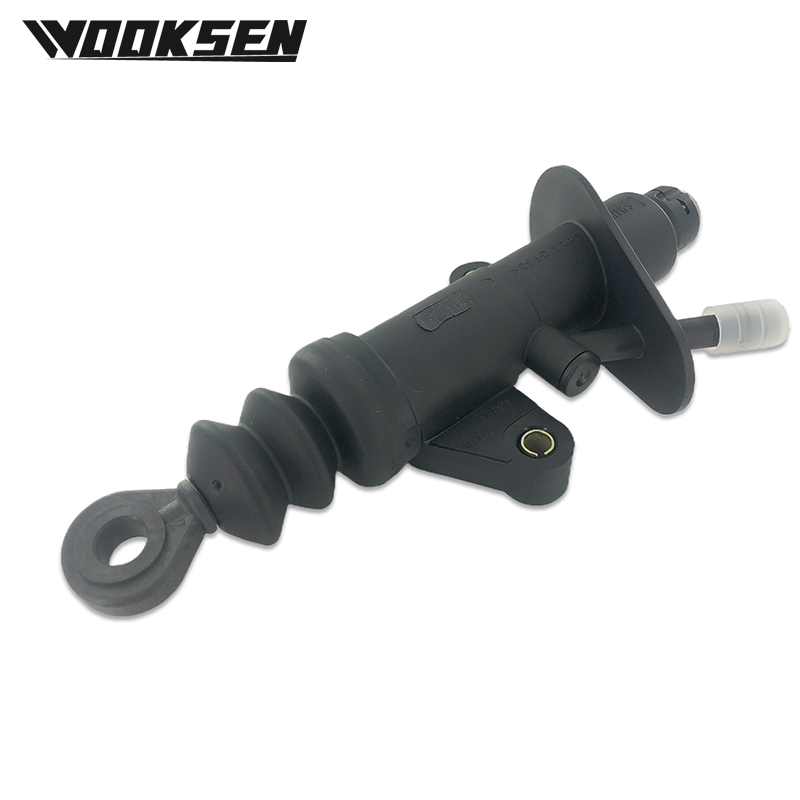
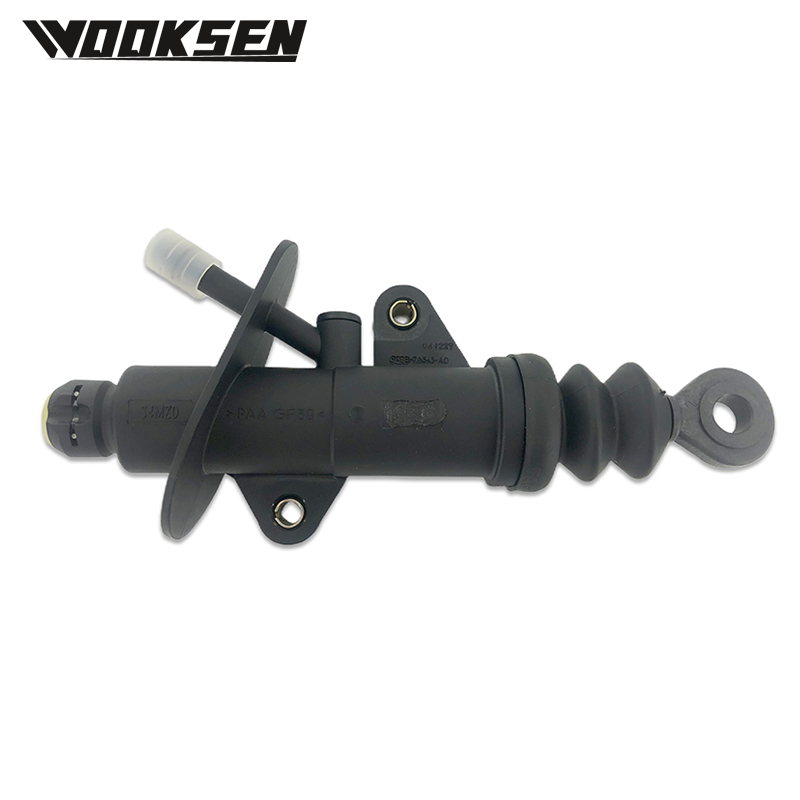
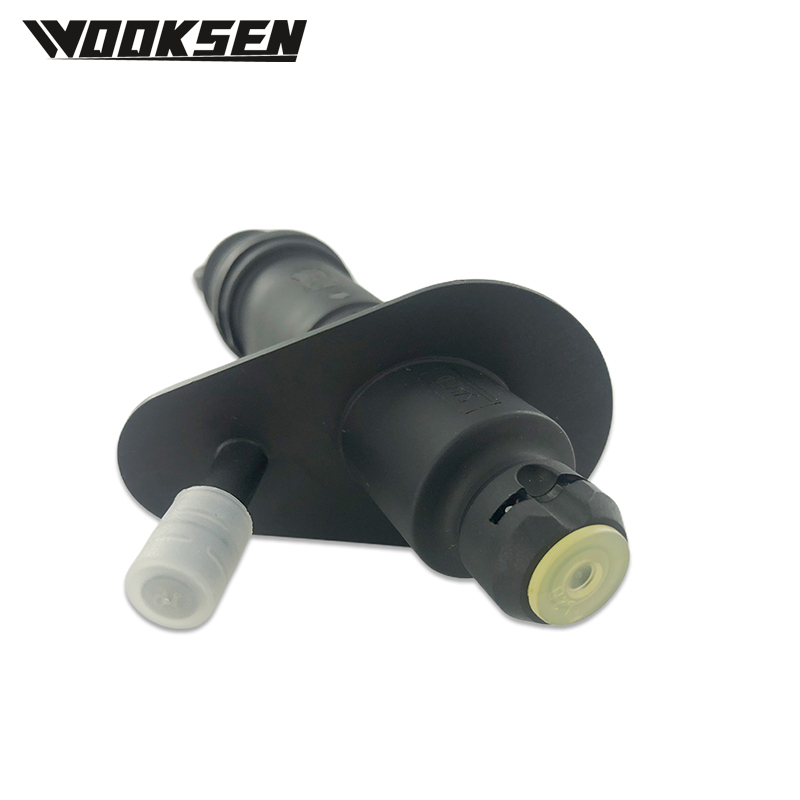
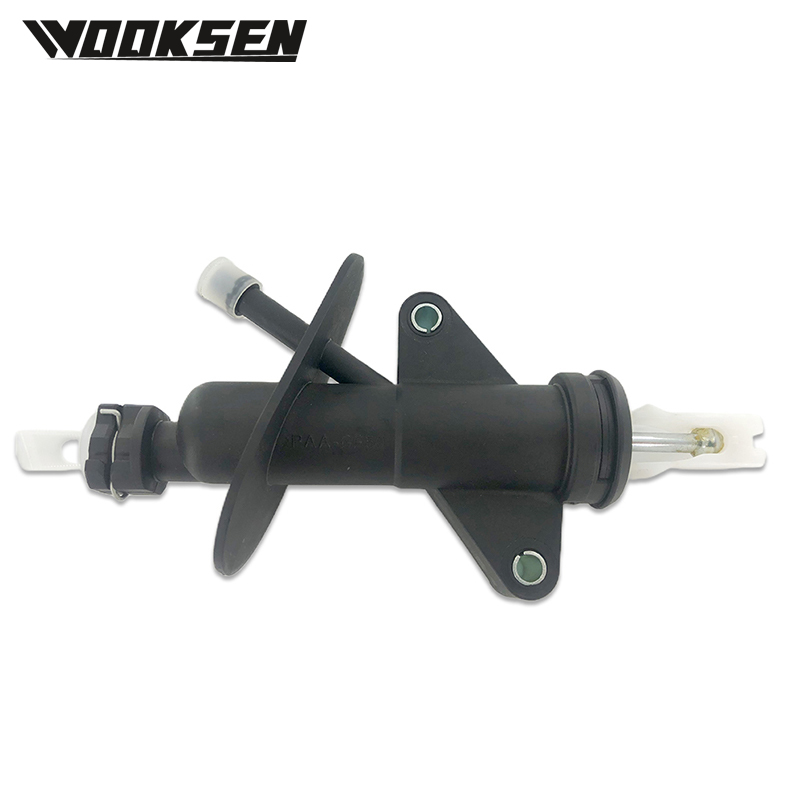
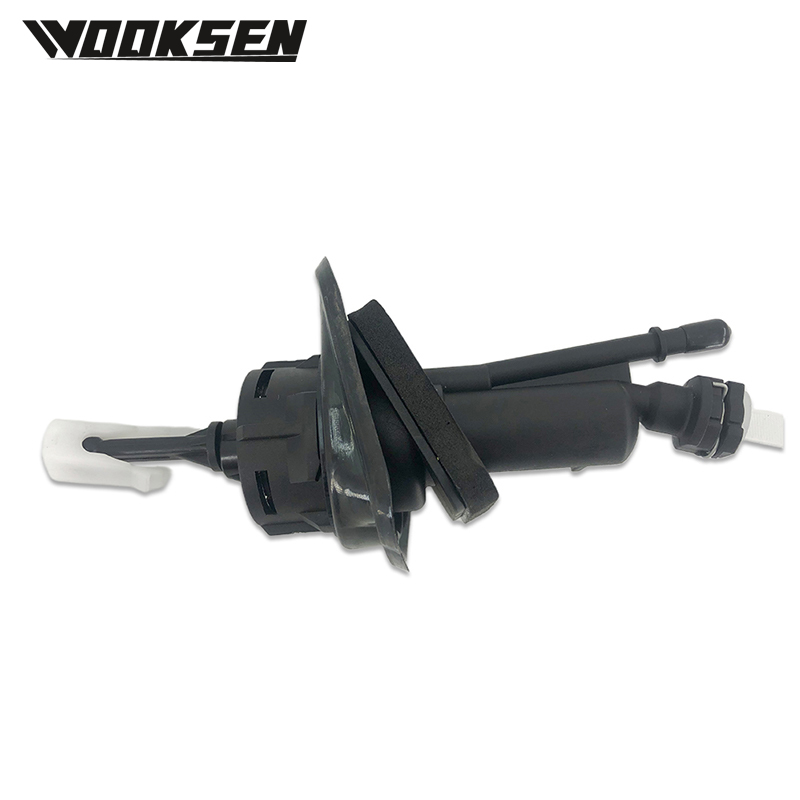
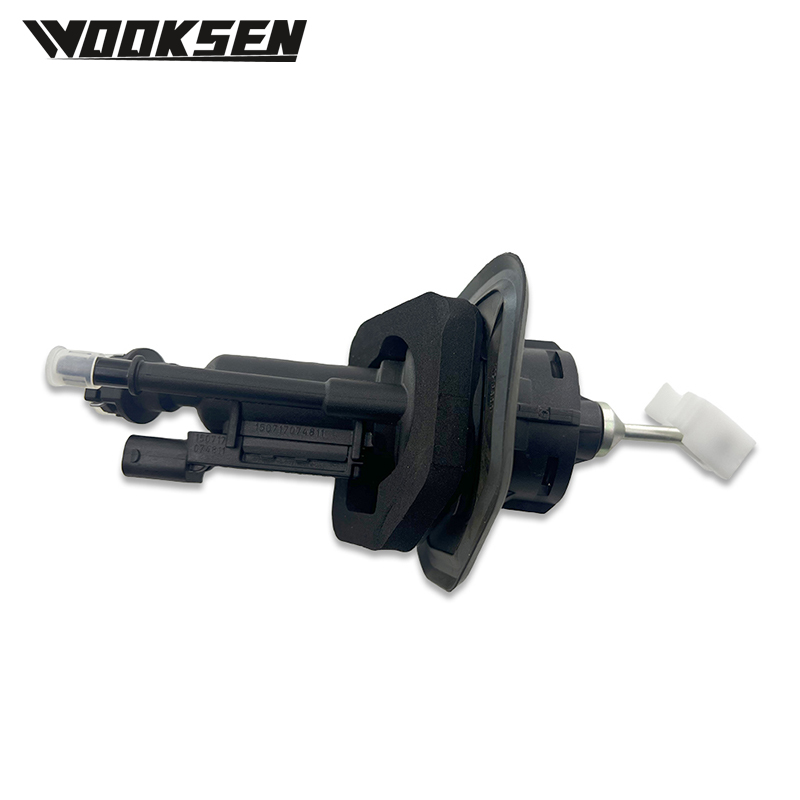
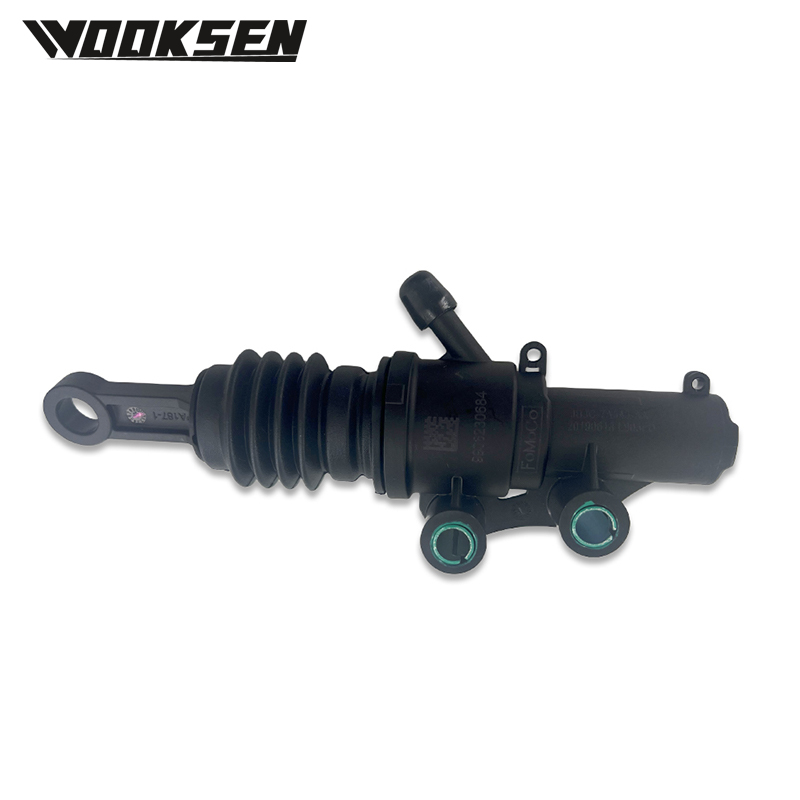
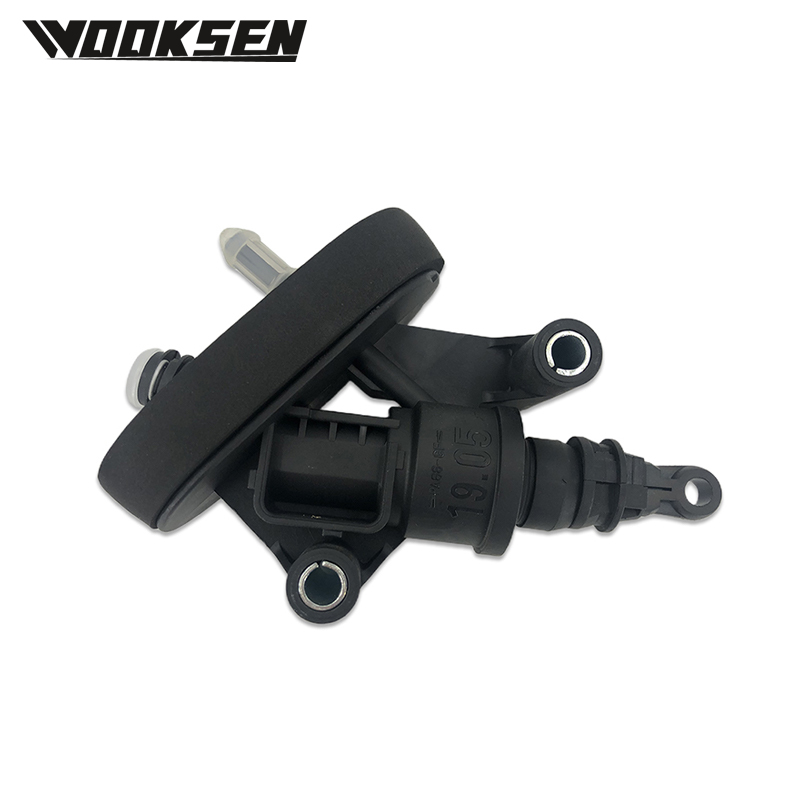
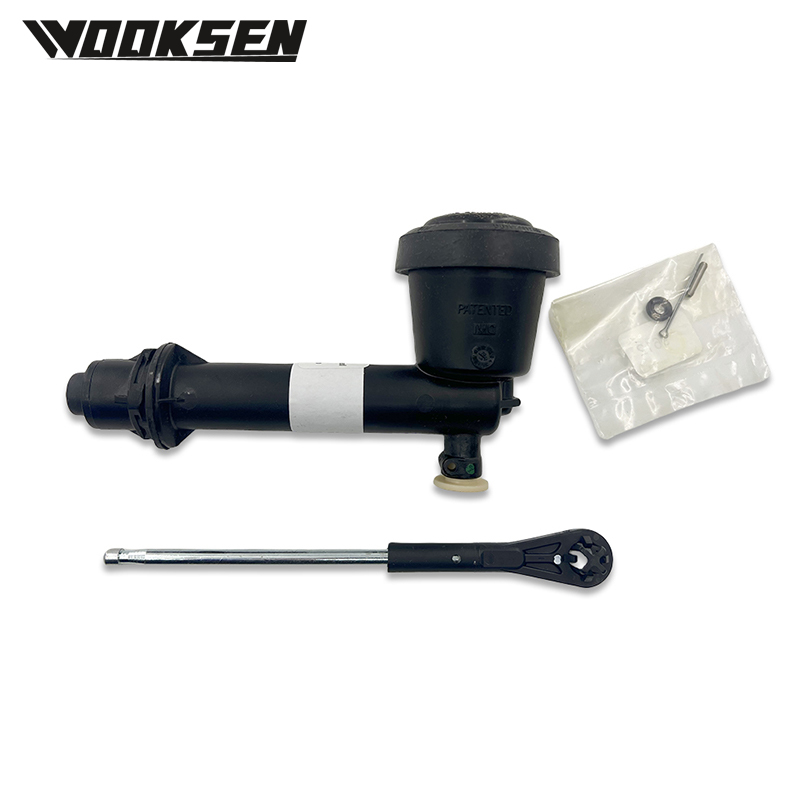
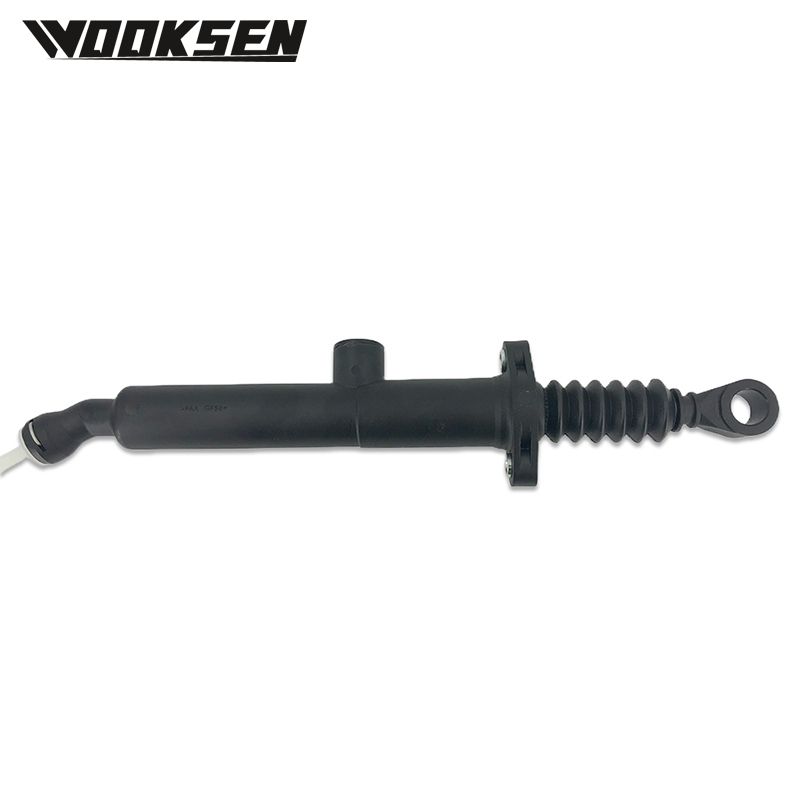
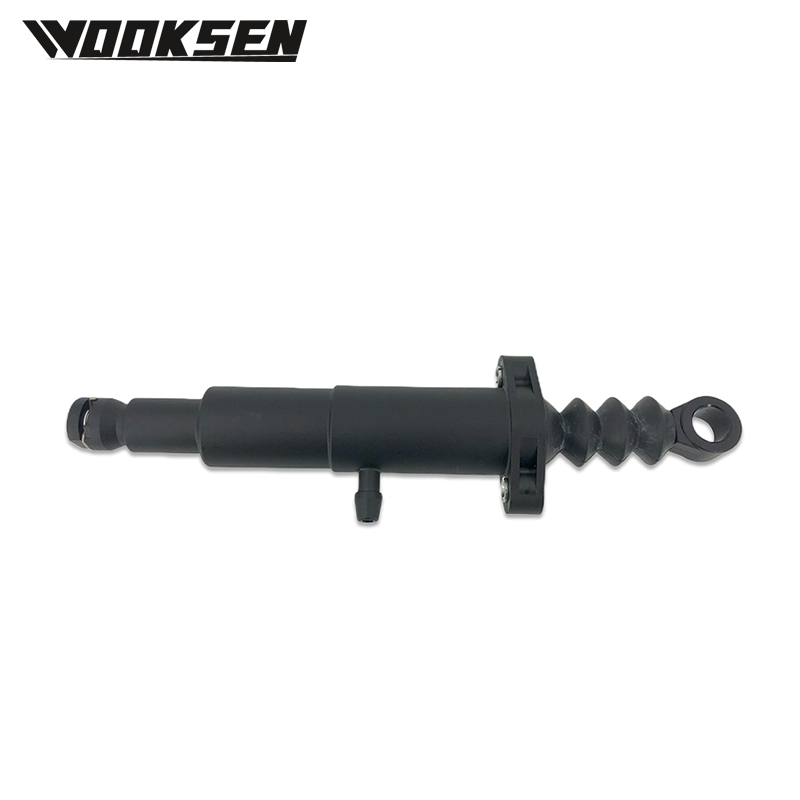
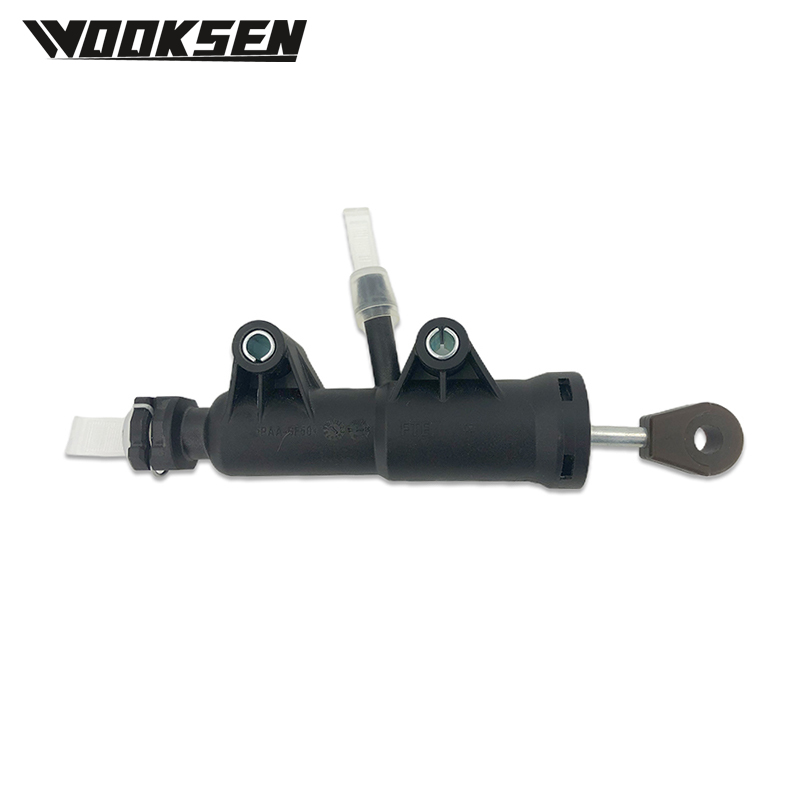
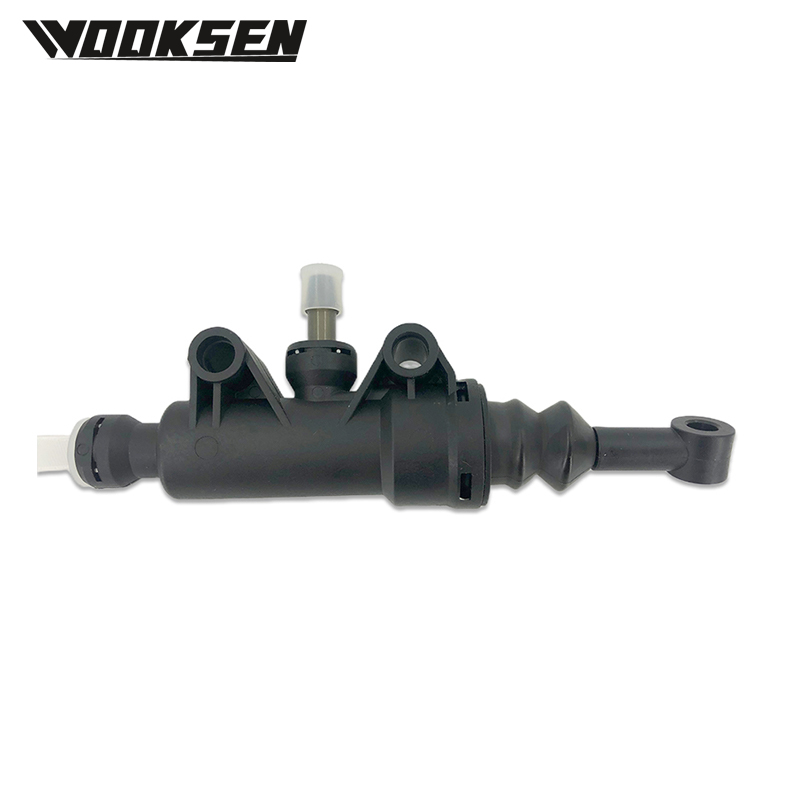
CM117
OE Reference Numbers
| OE / Cross Reference Number |
| 1092259 |
| 94BB7A543AD |
| 1037718 |
| 94BB7A543AC |
| 1054047 |
| 94BB7A543AA |
| 6789919 |
| 94BB7A543AB |
| 6789916 |
| F5RZ7A543A |
| XS2Z7A543AC |
| XS2Z7A543AD |
Application
This unit covers a wider vehicle population than many buyers expect. It fits across two generations of the Mondeo platform plus the Cougar coupe, all of which share the same hydraulic clutch architecture.
The Ford Mondeo Mk1 was produced from 1993 to 1996 and came in three body styles: the saloon (GBP platform), the hatchback (GBP platform), and the estate (BNP platform). All three variants use the same clutch master cylinder mounting point and hydraulic line configuration, which means a single SKU covers the entire Mk1 production run across all body types.
The Mondeo Mk2 ran from 1996 to 2000 and again covered three body styles: saloon (BFP platform), hatchback (BAP platform), and estate (BNP platform). The Mk2 carried over the same clutch hydraulic system architecture from the Mk1, which is why fitment carries across both generations without modification.
The Ford Cougar Coupe (EC platform), produced from 1998 to 2002, shares the same clutch master cylinder specification despite being a different model line. This is a detail that many aftermarket catalogs miss, and it represents additional fitment coverage that competitors may not be indexing correctly.
In total, this single part number covers seven distinct vehicle variants across two model lines and approximately nine years of production. For distributors building a catalog, that kind of fitment breadth under one SKU is a meaningful efficiency advantage.
Core Function
The clutch master cylinder on these Ford platforms operates as part of a fully hydraulic clutch system. There is no mechanical cable — all clutch actuation force is transmitted through hydraulic fluid from the master cylinder to the slave cylinder at the gearbox. This design provides consistent clutch feel independent of the routing path, but it also means the master cylinder carries the full load of every clutch operation.
The sensitive-spec internal design on this unit centers on the piston cup geometry and the bore finish. The piston cup uses a slightly softer durometer rubber compound and a modified lip profile compared to a standard replacement. This allows pressure to build with less initial pedal resistance, giving the driver earlier feedback about where clutch engagement begins. For technicians, this means the bite point is more predictable and easier to locate — which is especially relevant when fitting the part into vehicles used by drivers who report that the previous replacement felt heavy or wooden underfoot.
Seal integrity is the other functional priority. The Mk1 and Mk2 Mondeo platforms are now between 24 and 33 years old. In many cases the hydraulic fluid in these systems has not been changed on schedule, and moisture absorption in aged DOT fluid accelerates internal seal degradation. This unit's seal material is selected to tolerate a wider range of fluid conditions than a generic replacement, reducing the risk of early failure due to fluid quality variation — a common problem in markets where fluid maintenance is inconsistent.
The unit is compatible with DOT 3 and DOT 4 brake fluid, covers the correct reservoir connection and port thread for the Mk1 and Mk2 architecture, and requires no modification or adaptation on installation. Bleed procedure follows the standard Mondeo hydraulic clutch sequence.

 English
 русский
 Español
 عربى
عربى