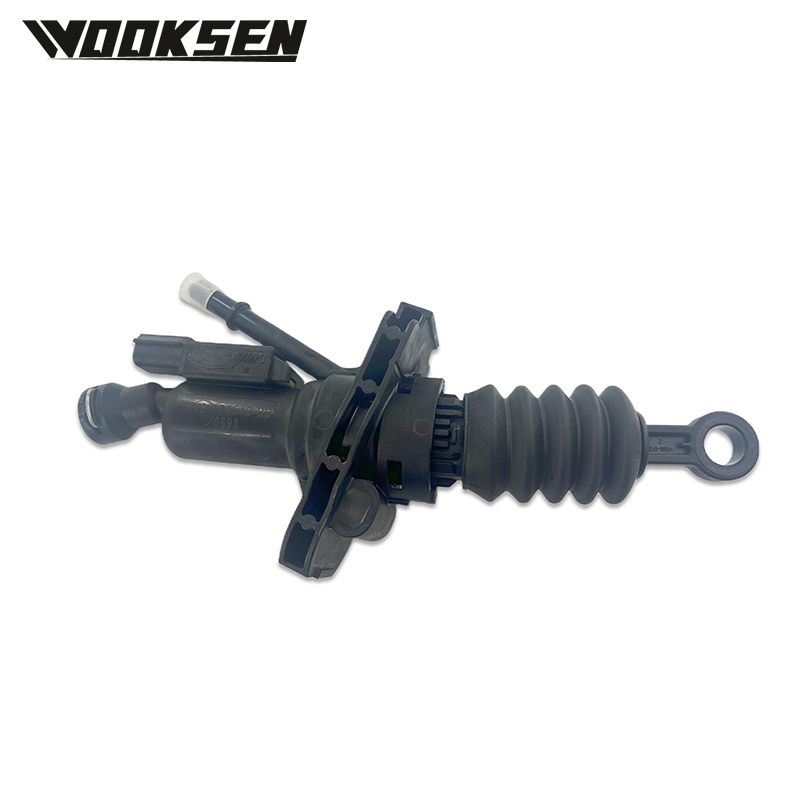
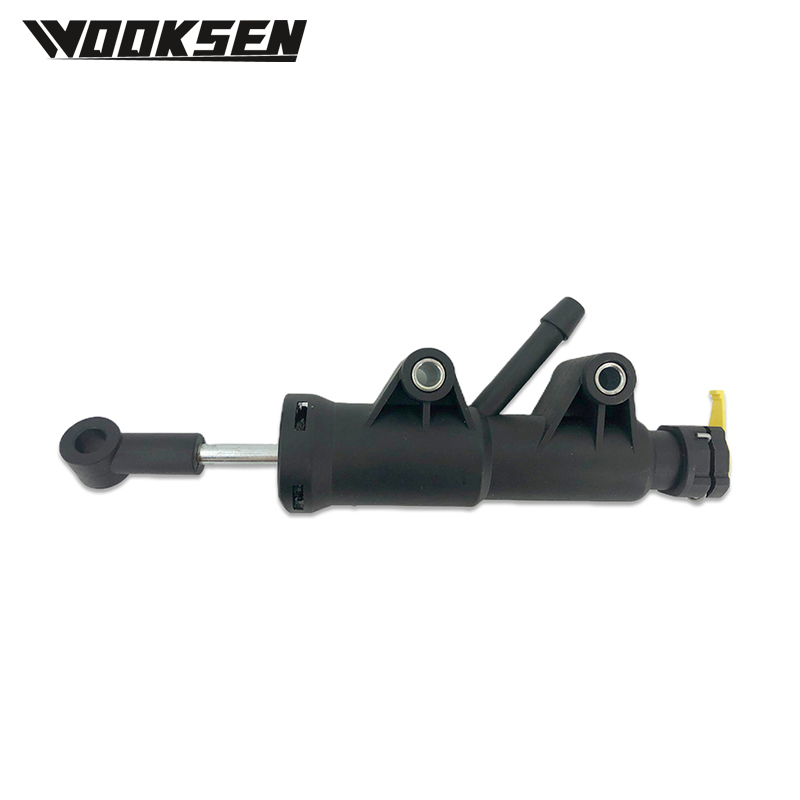
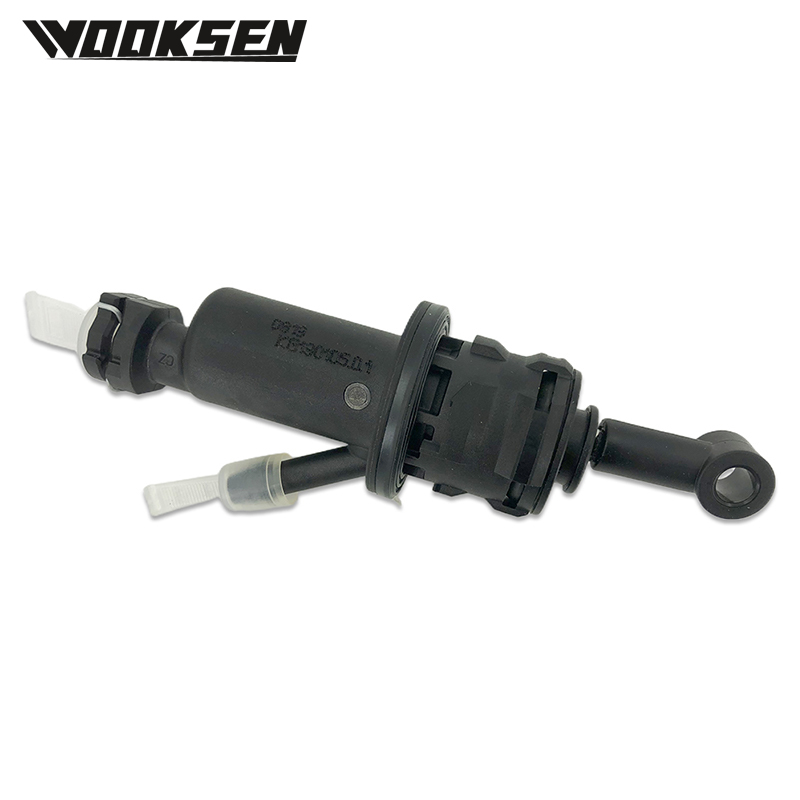
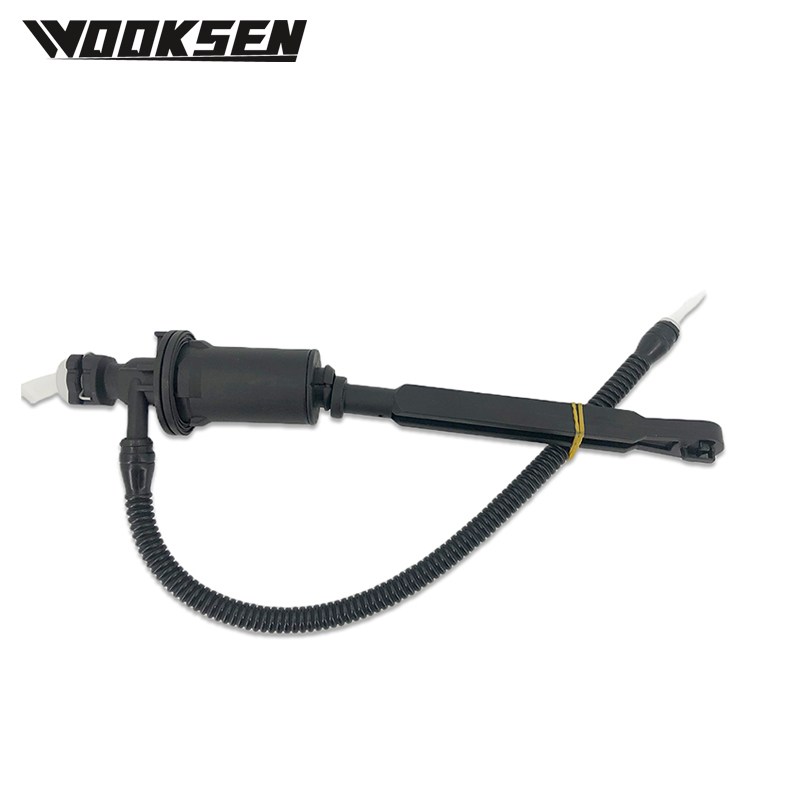
CM049
| OE Number |
Brand |
| 1045108 |
Ford |
| 96FB-7A543-AF |
Ford |
| 1017582 |
Ford |
| 96FB-7A543-AD |
Ford |
| 1014817 |
Ford |
| 96FB-7A543-AE |
Ford |
| 1038217 |
Ford |
| 96FB-7A543-AC |
Ford |
| 1E03-41-990B |
Mazda |
| 1E03-41-990 |
Mazda |
| 1E03-41-990A |
Mazda |
| 1E03-41-990C |
Mazda |
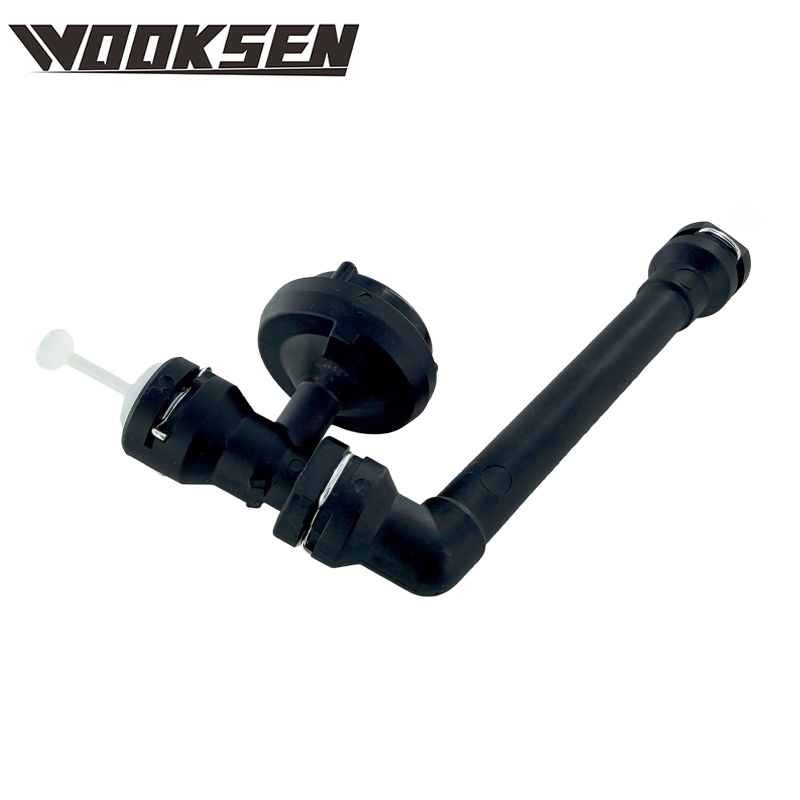
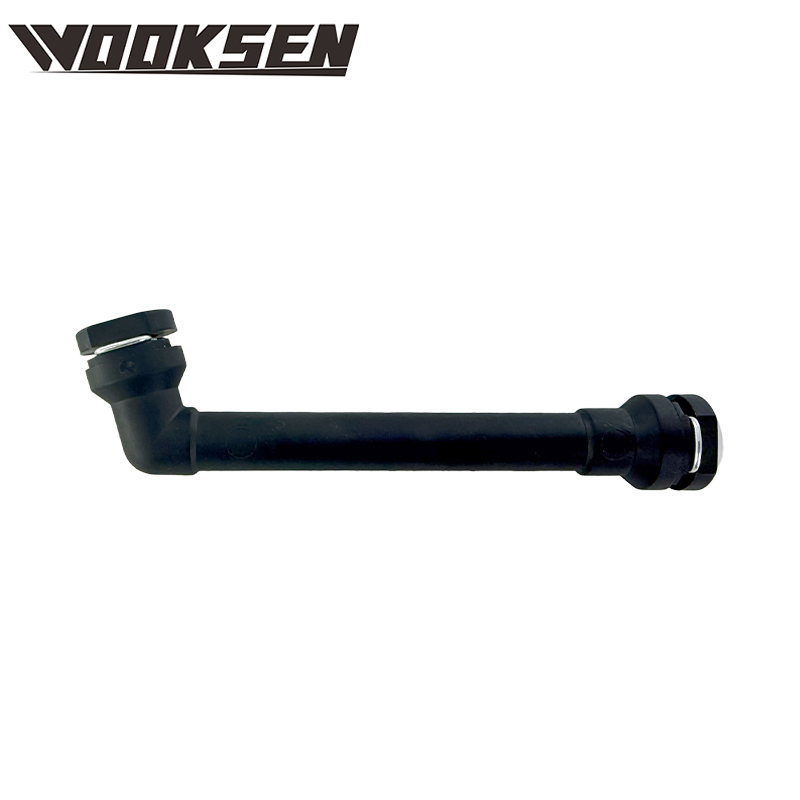
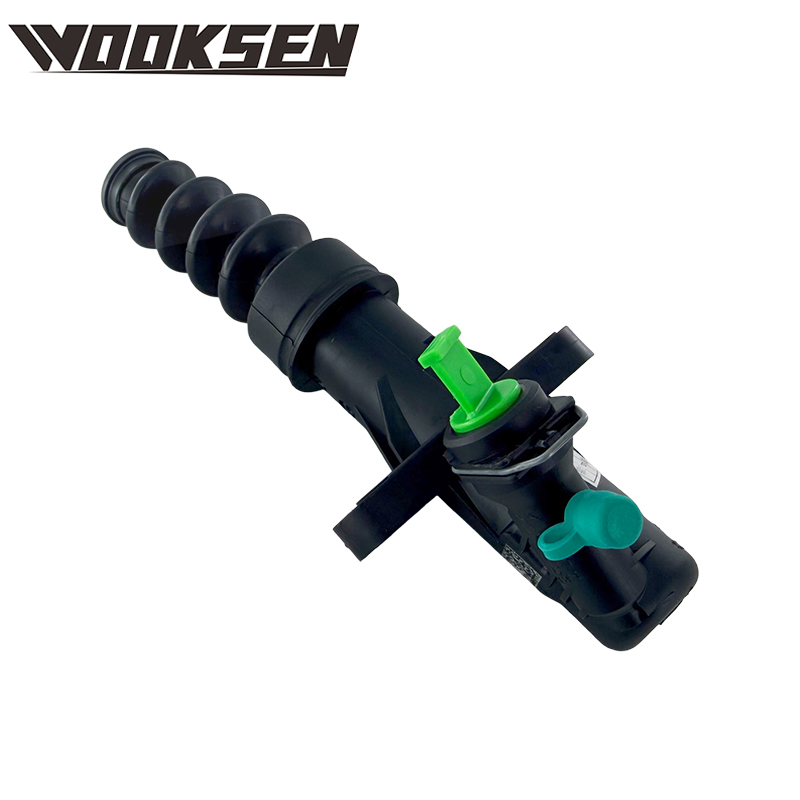
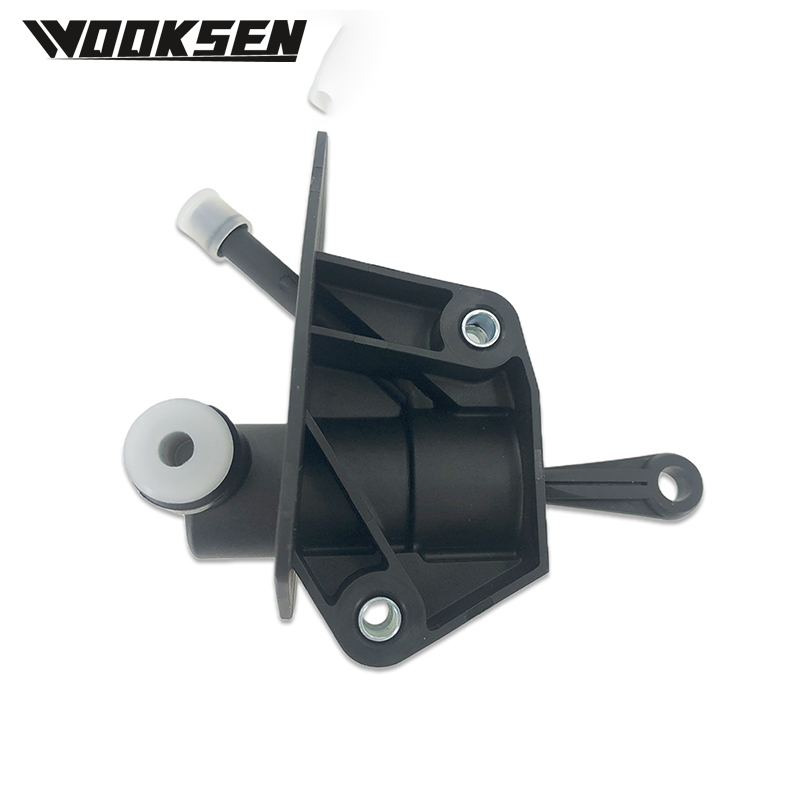
What is the product?
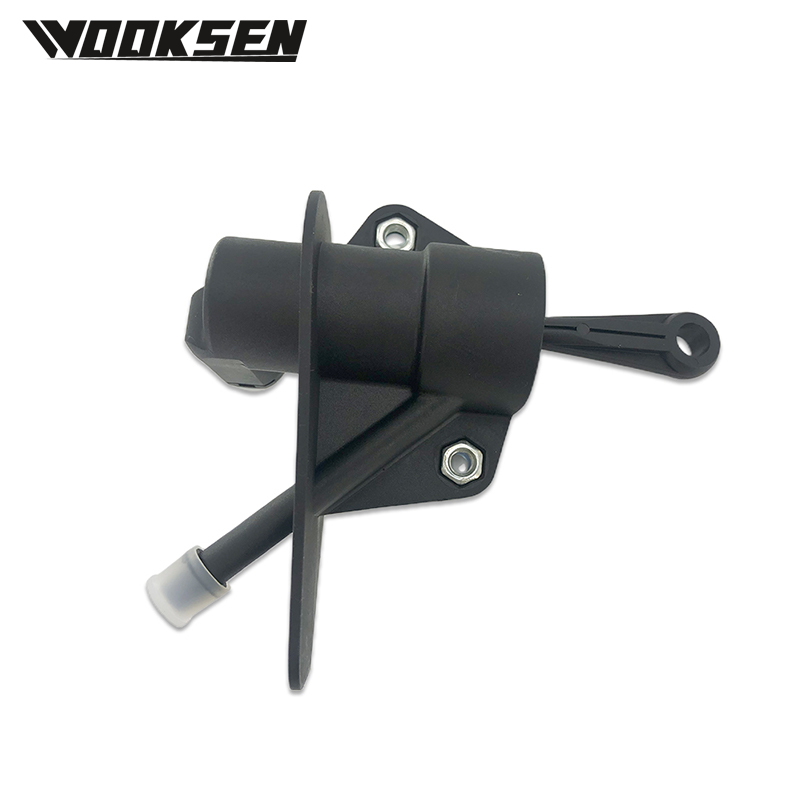
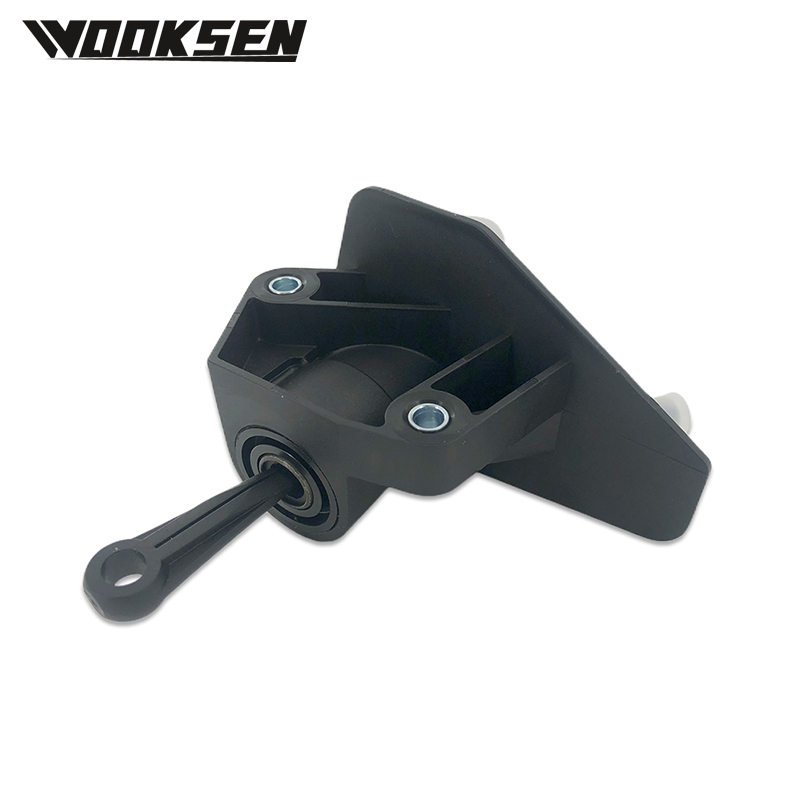
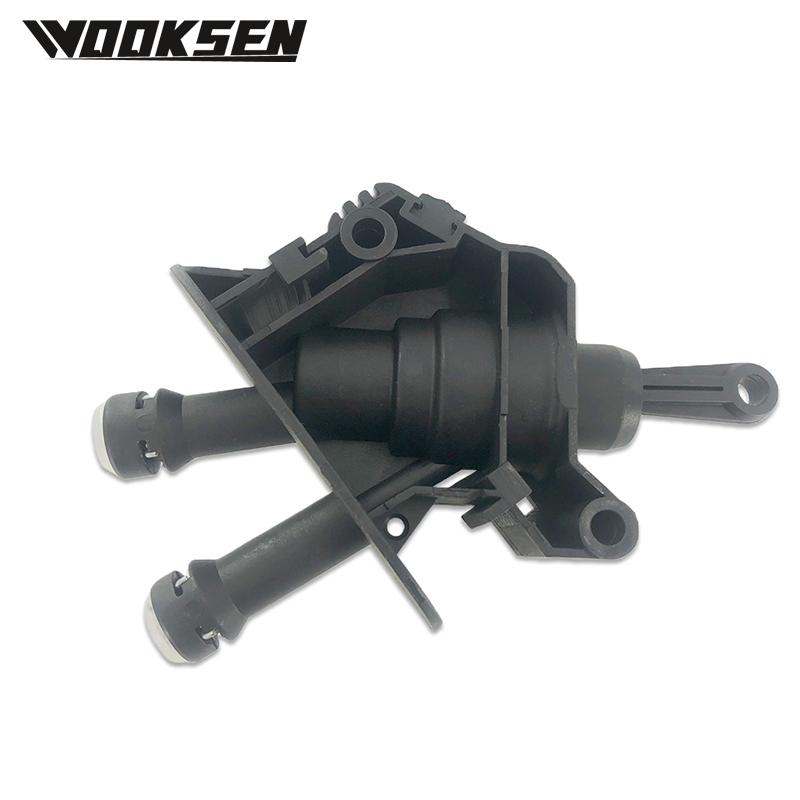
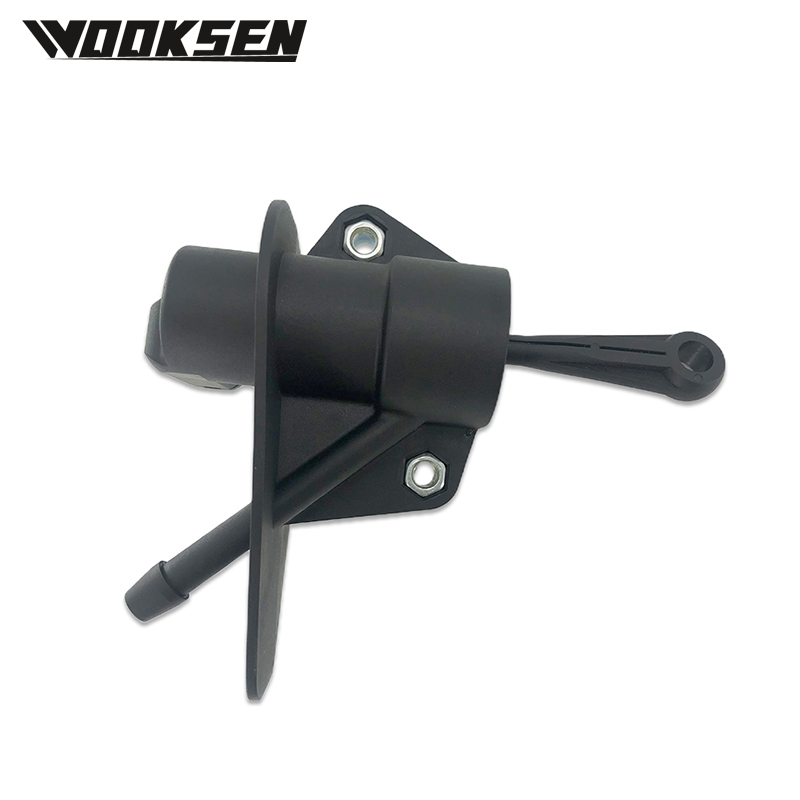
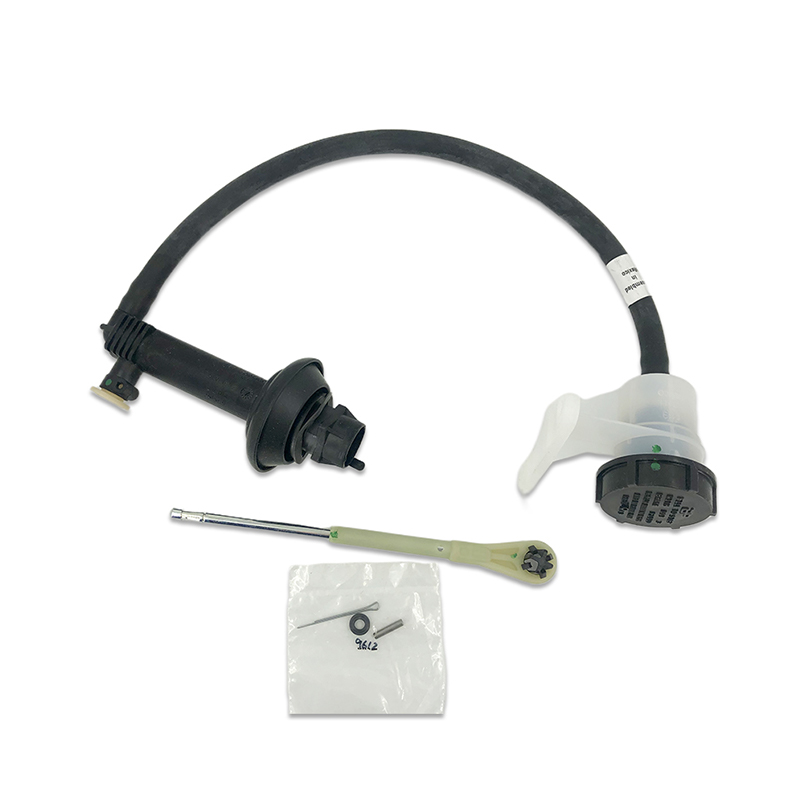
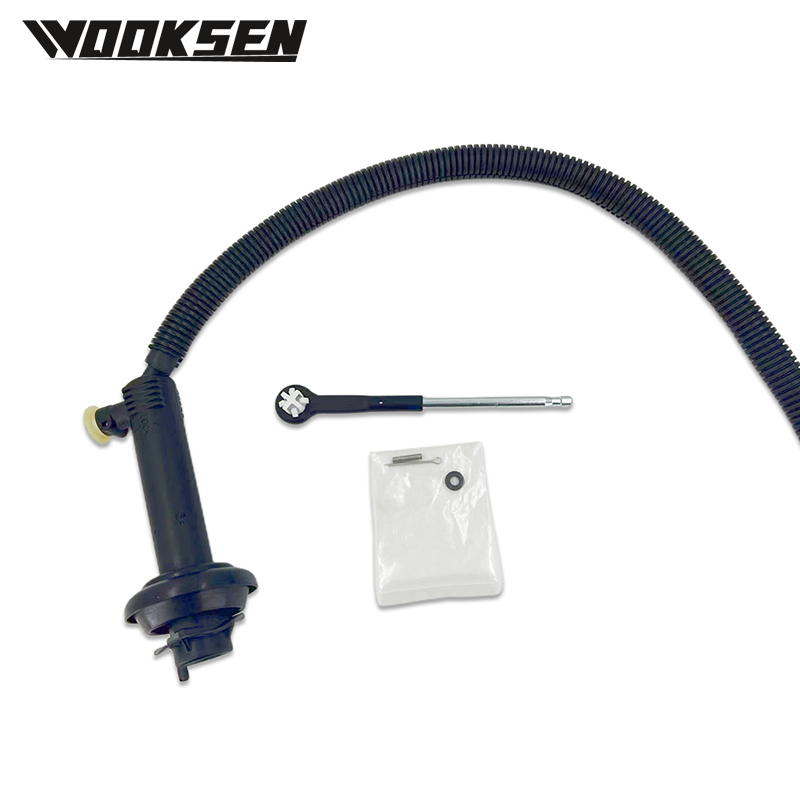
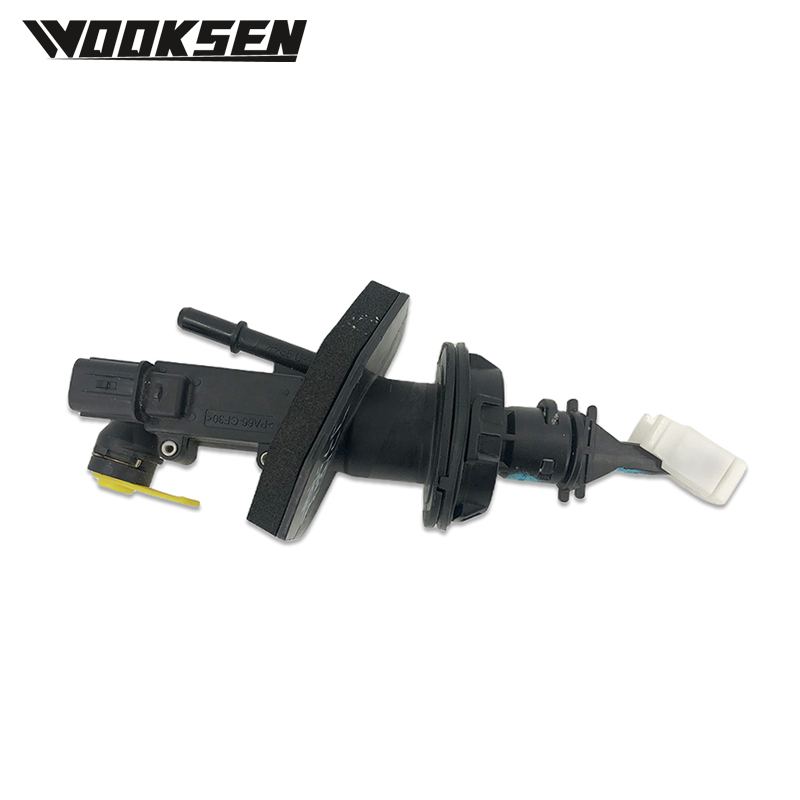
The working principle of this hydraulic clutch master cylinder is straightforward: when the pedal is depressed, a pushrod drives the internal piston forward within the cylinder, forcing hydraulic fluid into the hydraulic lines. This pressure is transmitted to the clutch slave cylinder, ultimately disengaging the clutch disc from the flywheel to allow for gear shifting. Upon releasing the pedal, the piston returns to its original position, hydraulic pressure is released, and the clutch re-engages, restoring power transmission.
This product is designed for Ford's small-car platform used between 1995 and 2003, covering models such as the fourth-generation Fiesta, the Puma sports coupe, and the third-generation Mazda 121 (which shares the same platform). These vehicles have a massive presence in Europe, South America, and parts of the Asia-Pacific region, making this a perennial good-seller in the aftermarket repair sector.
APPLICATIONS
Ford Fiesta Mk4 Courier (J3S, J5S): Commercial courier version; a mainstay of the European logistics sector from 1996 to 2003. Equipped with 1.3L petrol or 1.8L diesel engines, it experiences much higher clutch usage frequency than private passenger cars, resulting in a shorter replacement cycle for the master cylinder.
Ford Fiesta Mk4 Van (JVS): Panel van version; introduced after 1998. Featuring a reinforced body structure, it places a heavy load on the clutch during cargo transport, demanding higher hydraulic stability from the master cylinder.
Ford Fiesta Mk4 Hatchback (JAS, JBS): Standard hatchback version; produced from August 1995 to September 2002. One of the best-selling small cars in the European market, offering a full range of engine options from 1.25L to 1.8L.
Ford Puma (EC_): Ford sports coupe; produced from March 1997 to June 2002. Built on the Fiesta Mk4 platform but with more aggressive tuning, it places a heavier workload on the clutch system, making master cylinder quality a direct factor in the driving experience.
Mazda 121 III Hatchback (JASM, JBSM): Mazda's third-generation 121; produced from March 1996 to April 2003. It shares the Fiesta Mk4 platform but bears the Mazda badge, maintaining a solid presence in the Japanese and Oceanian markets.
Key Features
Hydraulic Pressure Generation: Converts mechanical pedal force into hydraulic pressure, with a standard operating pressure range that meets the demands of both daily driving and commercial applications. The cylinder bore is optimized to ensure precise alignment between pedal travel and the clutch disengagement point.
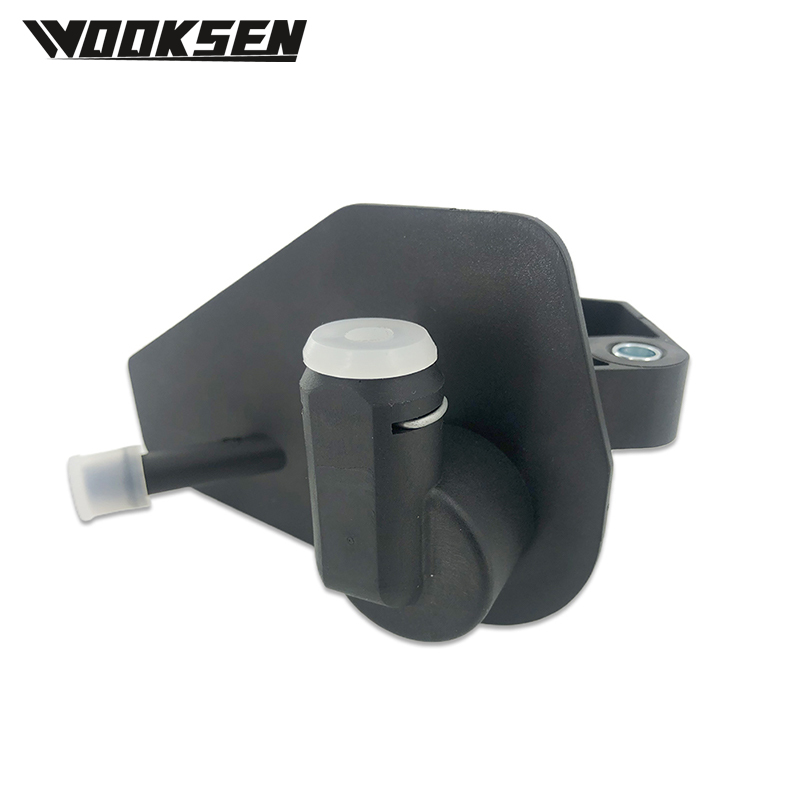
Quick-Connect Sealing: Features a plug-in hydraulic interface, eliminating concerns regarding tightening torque associated with traditional threaded fittings. The connector includes an integrated seal and an automatic locking mechanism upon insertion—ensuring both leak-proof performance and vibration resistance—making it ideal for rapid-repair scenarios where time is critical.
All-Weather Durability: Operates reliably across a temperature range of -40°C to +120°C, performing consistently in conditions ranging from Nordic winters to Middle Eastern heat. Rubber seals utilize a brake-fluid-resistant compound, preventing hardening or cracking during long-term use.
Universal Left/Right-Hand Drive Compatibility: Suitable for both LHD and RHD vehicles; a single SKU serves markets such as the UK, Australia, and Japan (RHD) as well as Continental Europe and South America (LHD), eliminating the need to stock separate versions.

 English
 русский
 Español
 عربى
عربى