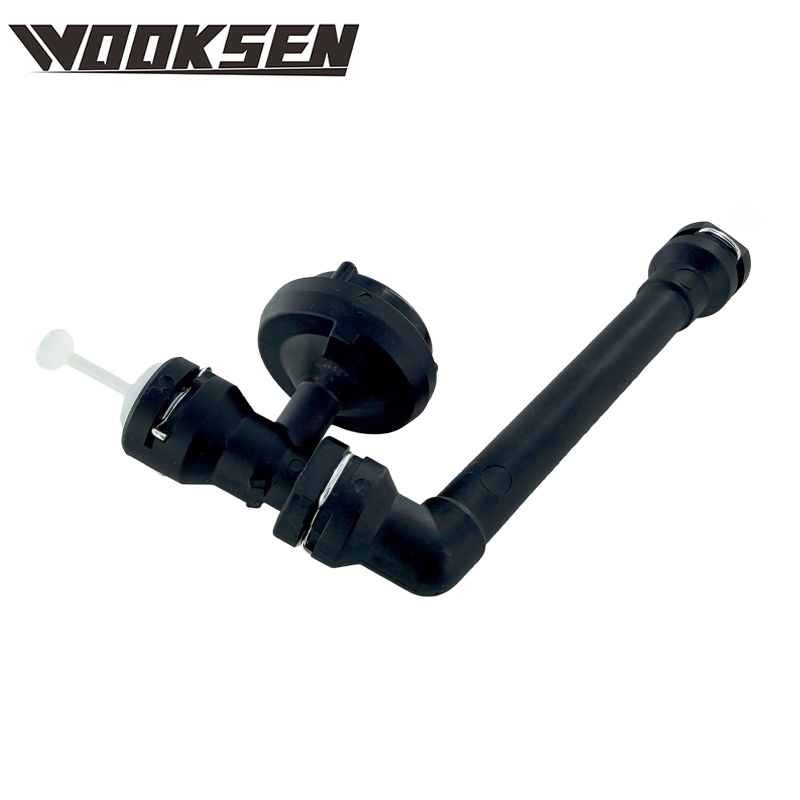
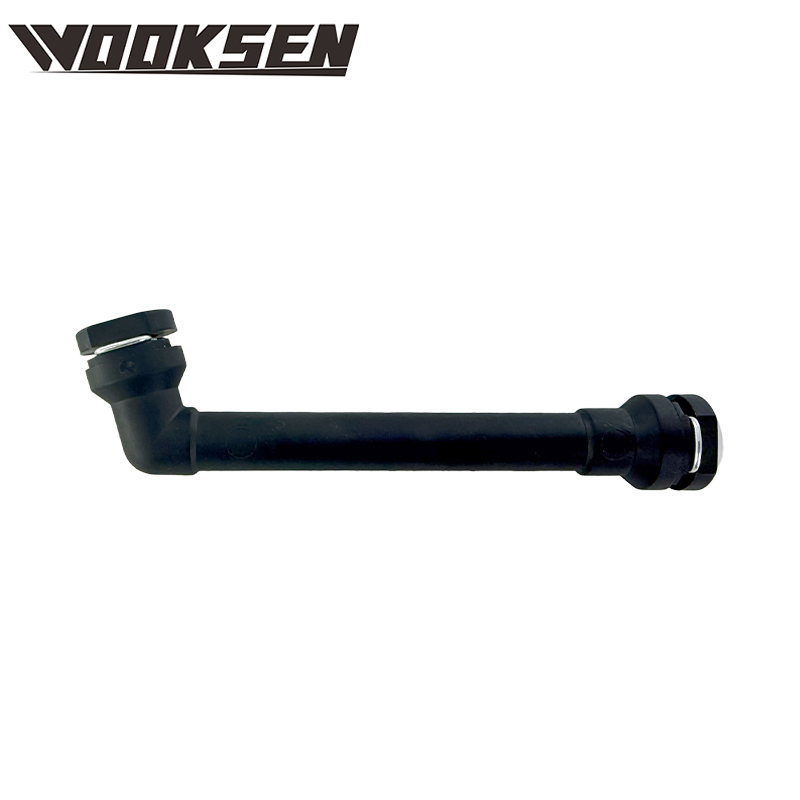
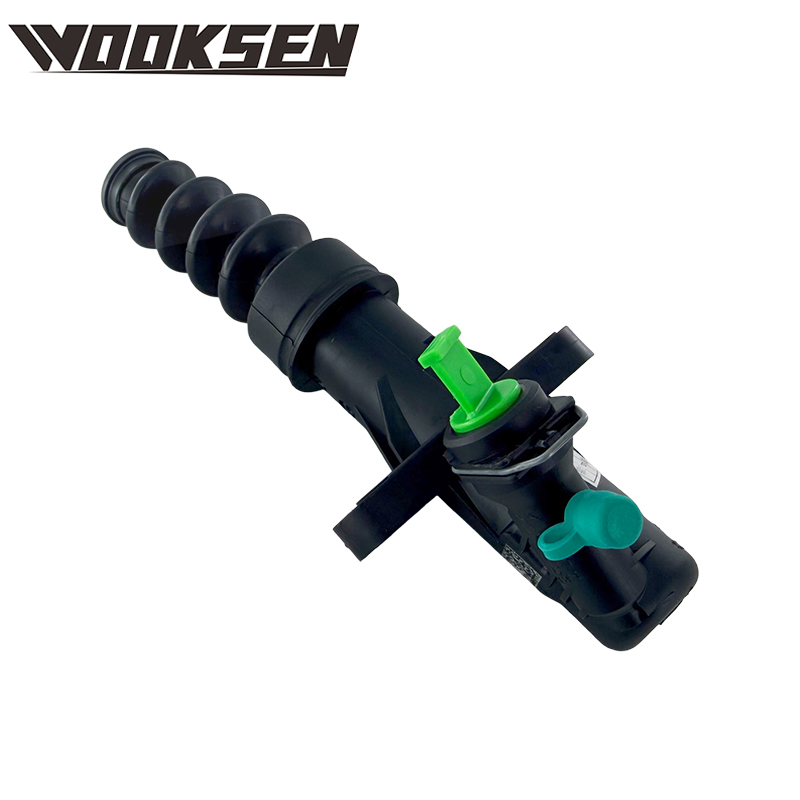
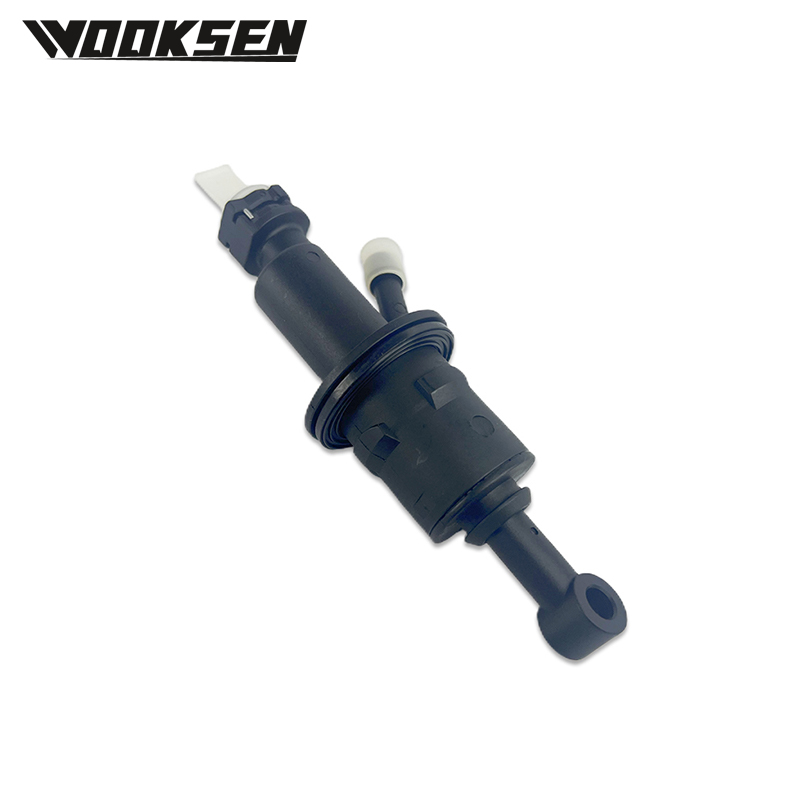
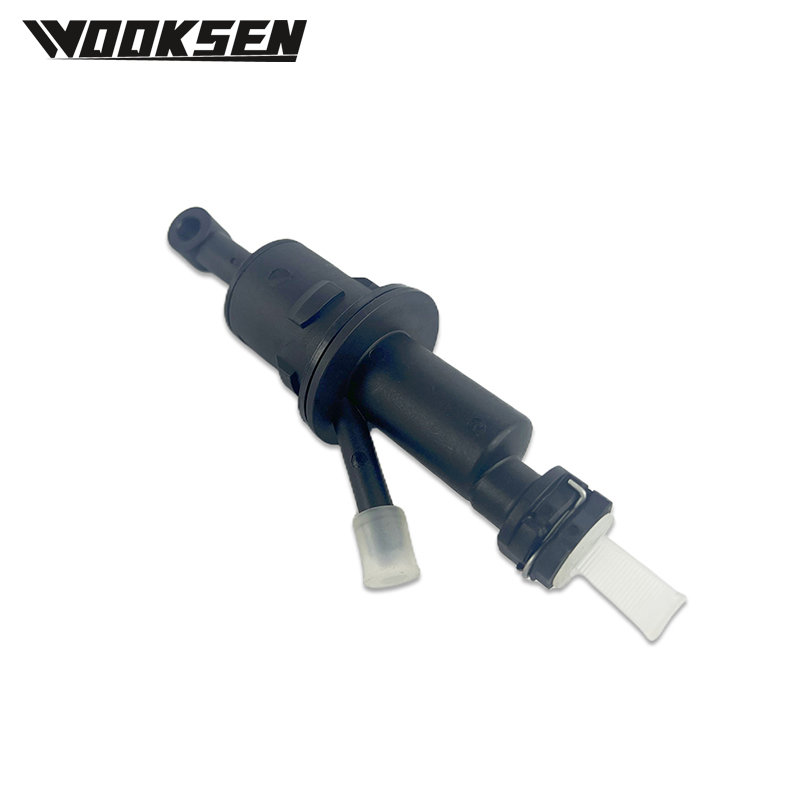
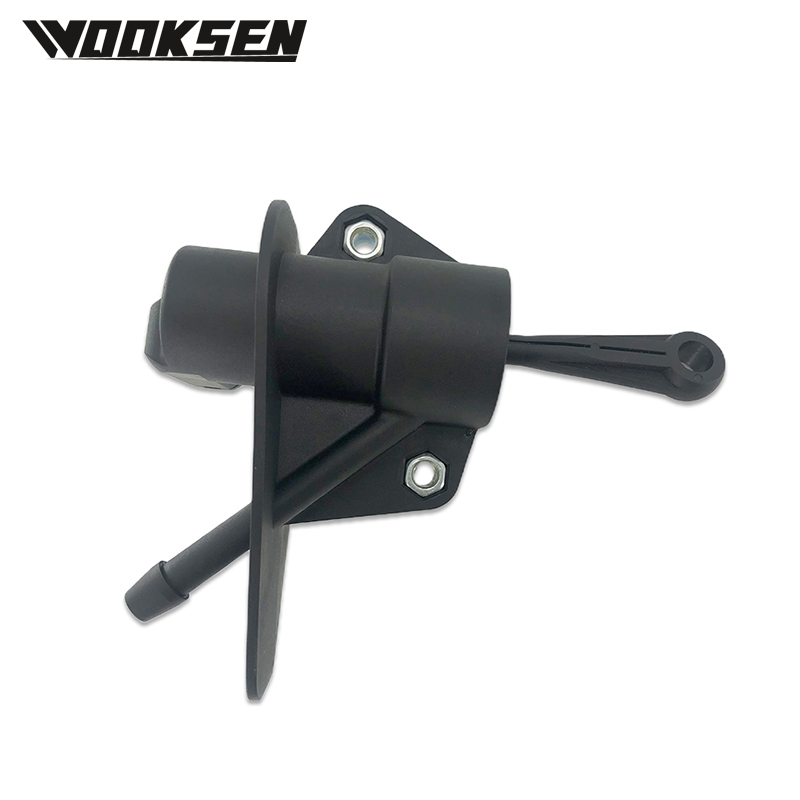
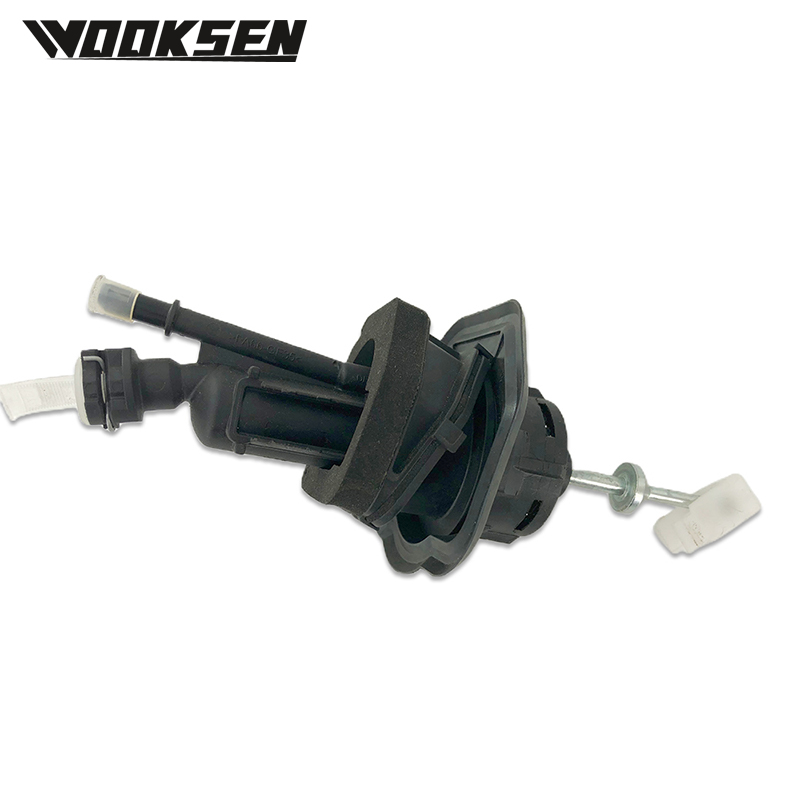
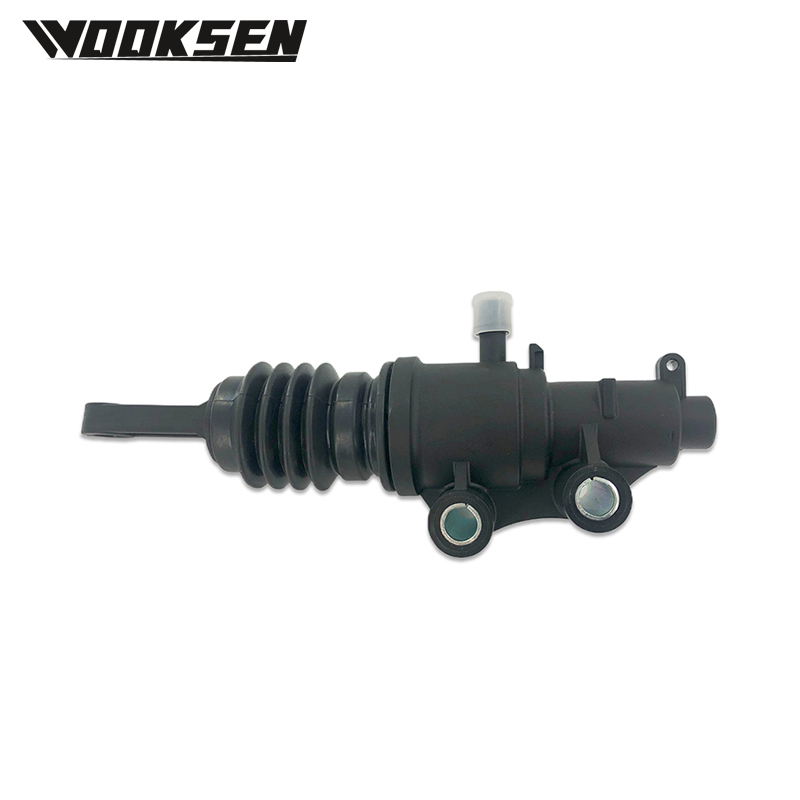
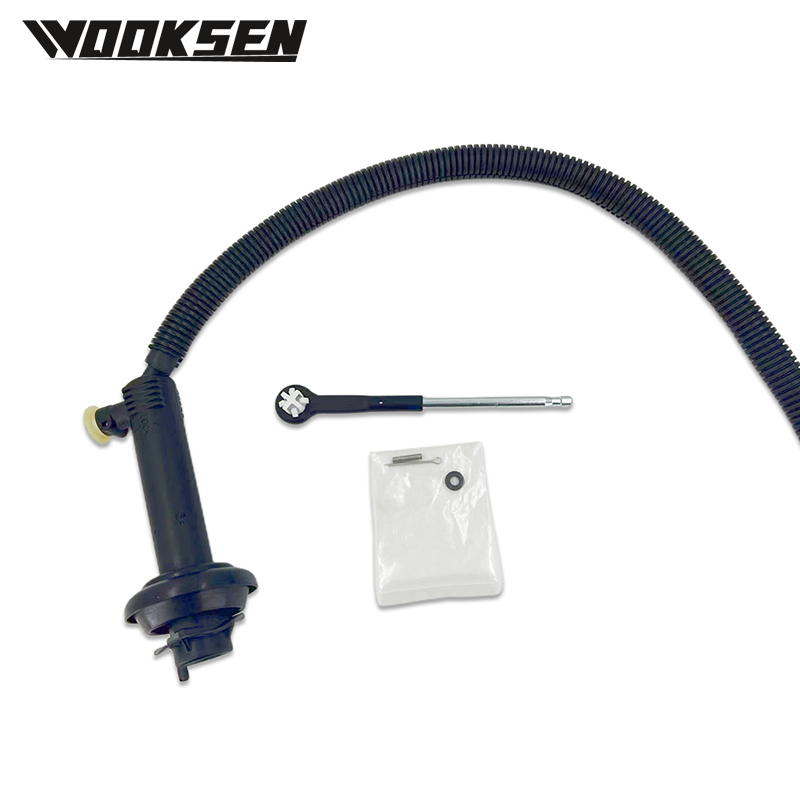
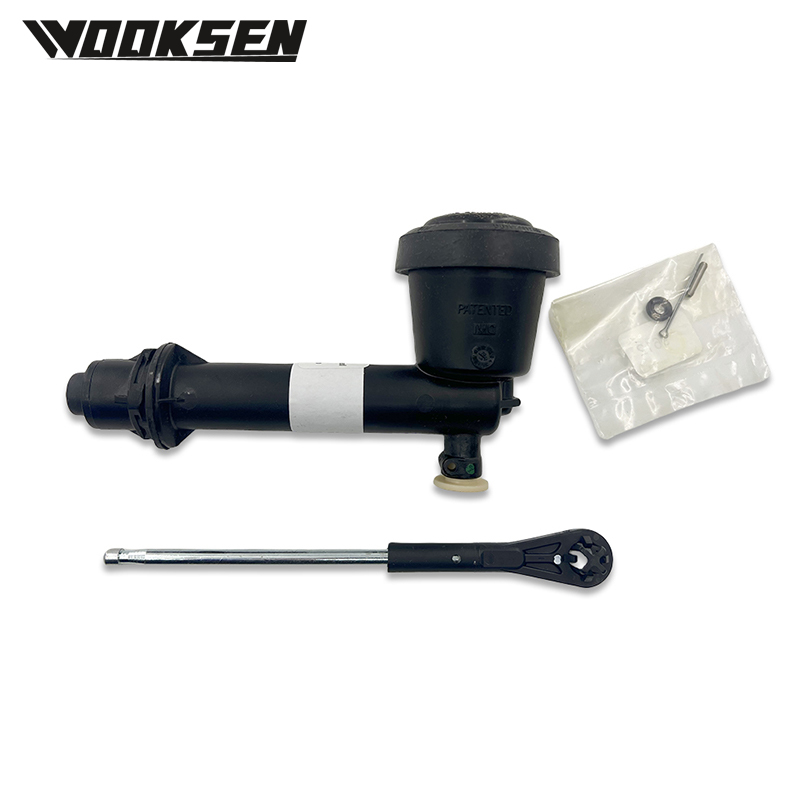
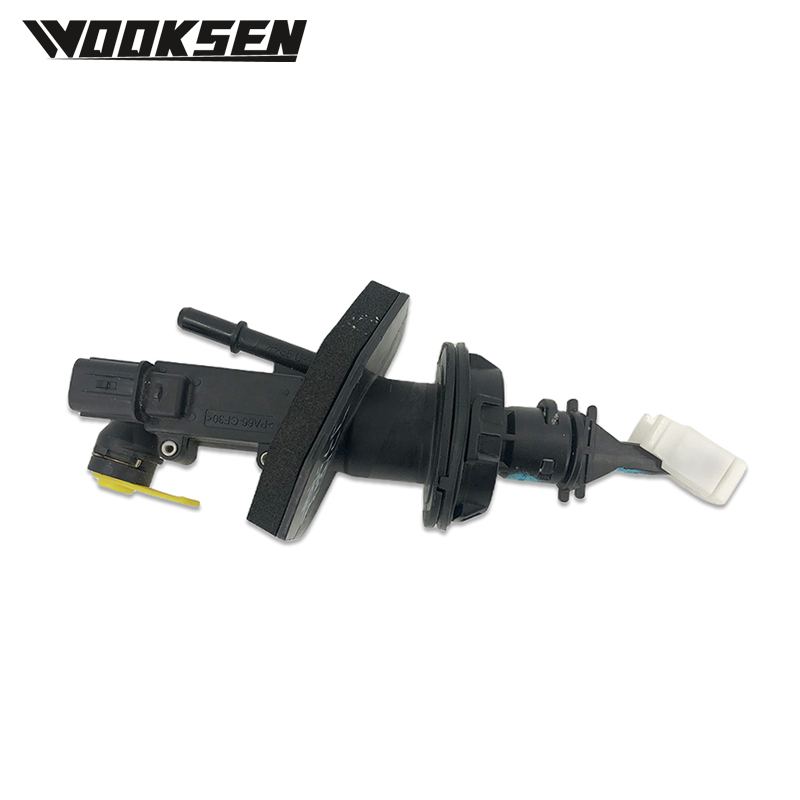
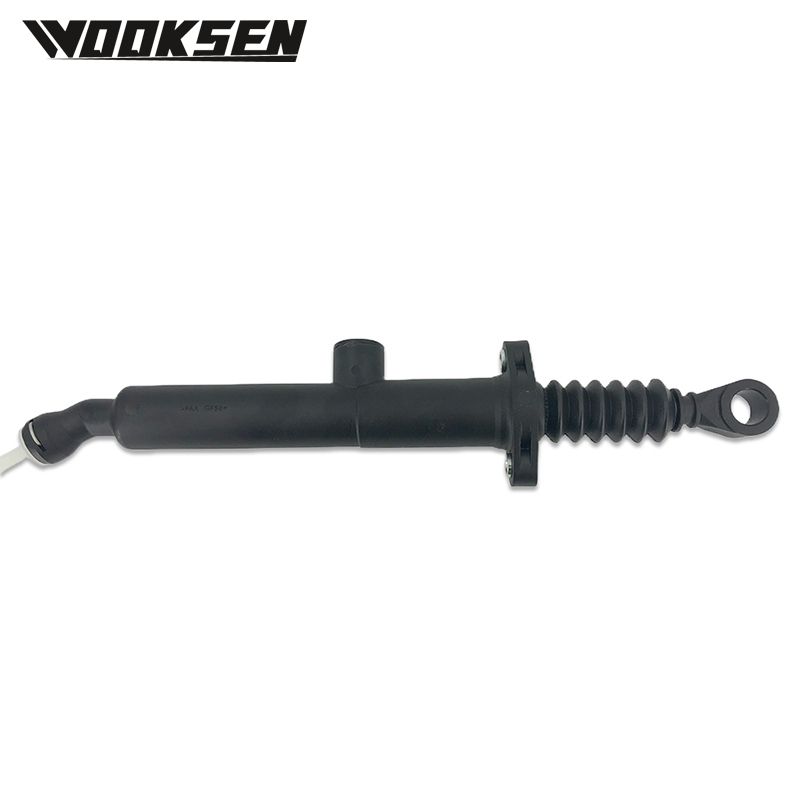
CM124
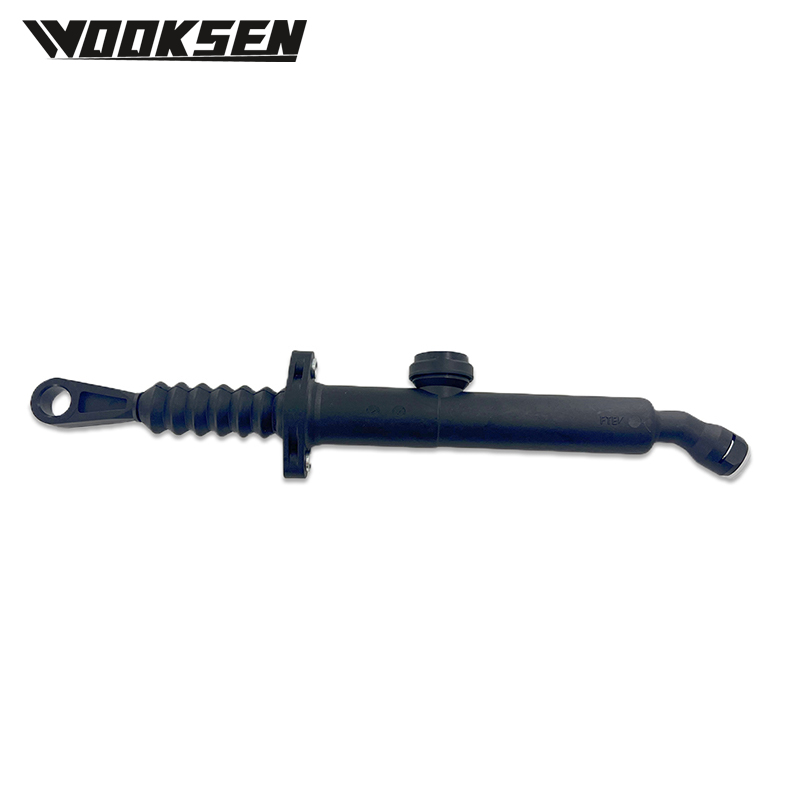
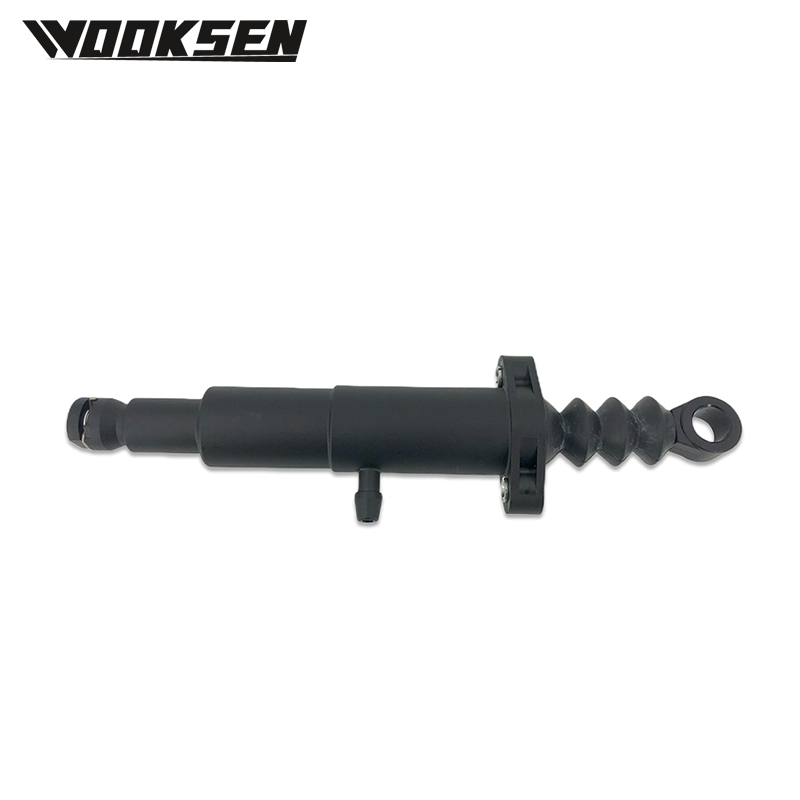
The OE numbers A1692900312 and 1692900312 are the exact Mercedes-Benz original equipment references, meaning this part matches the factory specifications for fitment, hydraulic pressure output, and connection geometry. It is a safety-critical component—if it fails, the driver cannot disengage the clutch, rendering the vehicle undrivable. For distributors, repair shops, and fleet managers, sourcing a reliable, quiet-operating replacement reduces customer complaints and return rates significantly.
Applications
This clutch master cylinder is engineered for the manual transmission variants of two closely related Mercedes-Benz compact platforms that share the same underpinnings and powertrain architecture.
MERCEDES-BENZ A-Class (W169) — Produced from 2004 to 2012, this was the second-generation A-Class featuring Mercedes' "Sandwich" floor architecture. The manual transmission models (typically 5-speed or 6-speed, excluding the CVT automatic variants) used this clutch master cylinder to actuate the hydraulic clutch release system. It applies to the full engine range including the M266 gasoline engines (1.5L, 1.7L, 2.0L naturally aspirated and turbo variants) and the OM640 diesel engines. The W169 was sold globally as a premium compact hatchback, and many units remain in service across European, Asian, and Middle Eastern markets, creating sustained demand for clutch hydraulics replacement.
MERCEDES-BENZ B-Class (W245) — Produced from 2005 to 2011, this was the compact multi-purpose vehicle (MPV) sharing the W169 platform. The W245 offered more interior space while using identical powertrains and transmission options. The manual transmission B-Class models (B150, B160, B170, B180, B200 with M266 engines and diesel variants with OM640) utilized the exact same clutch master cylinder. Because the W245 was popular as a family vehicle and light commercial transport in many markets, these vehicles are now entering the high-mileage maintenance phase where clutch hydraulic components require replacement.
Both platforms share the same pedal box architecture and hydraulic routing, which is why a single part number covers both model lines. This interchangeability simplifies inventory management for parts distributors.
Core Functions
The primary function is hydraulic pressure generation and modulation. When the clutch pedal is depressed, the piston inside the master cylinder displaces hydraulic fluid (DOT 3 or DOT 4 brake fluid) through the hydraulic line to the clutch slave cylinder. The slave cylinder then actuates the release bearing, separating the clutch disc from the flywheel pressure plate assembly.
The low noise design serves a secondary but commercially important function. In the W169 and W245, the clutch master cylinder is mounted in the engine bay close to the bulkhead, and noise can transmit into the cabin through the pedal assembly. Standard replacement units often develop squeaking during the pedal stroke as seals age or interact poorly with the bore surface. This unit minimizes those acoustic disturbances through material selection and surface finish optimization, maintaining the quiet cabin experience Mercedes owners expect.
Additionally, the integrated fluid reservoir (on units where applicable) maintains the hydraulic fluid supply and allows for visual fluid level monitoring. The reservoir cap includes a vent to prevent pressure buildup while excluding contaminants.
B2B Buyer Focus (Not for C-End Consumers)
This product is sold exclusively to trade buyers including:
Automotive parts wholesalers and distributors
Independent repair shop chains
Fleet maintenance departments
OEM service parts programs
Export trading companies specializing in European vehicle parts
We do not support direct retail sales to individual vehicle owners. Minimum order quantities apply. Pricing is quoted FOB or CIF based on container volumes. Technical documentation, installation guides, and batch test reports are provided to trade accounts upon request.

 English
 русский
 Español
 عربى
عربى