English
 русский
 Español
 عربى
عربى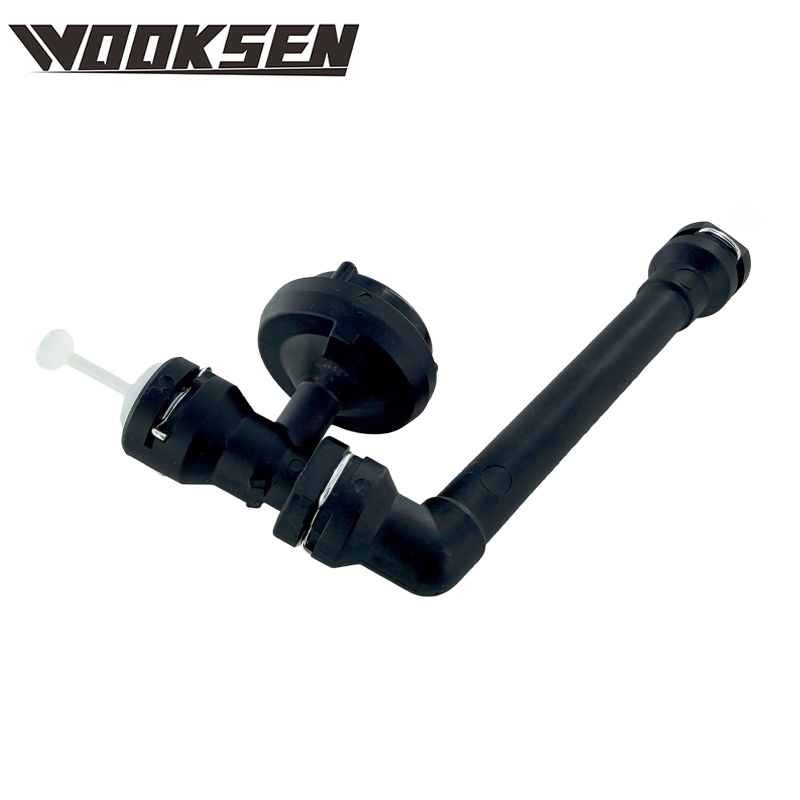
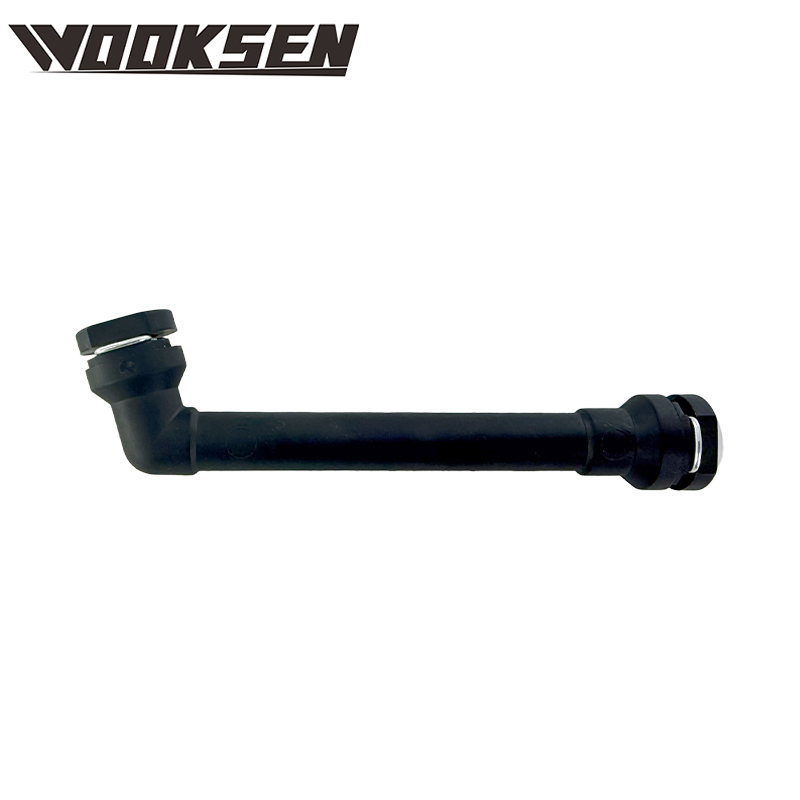
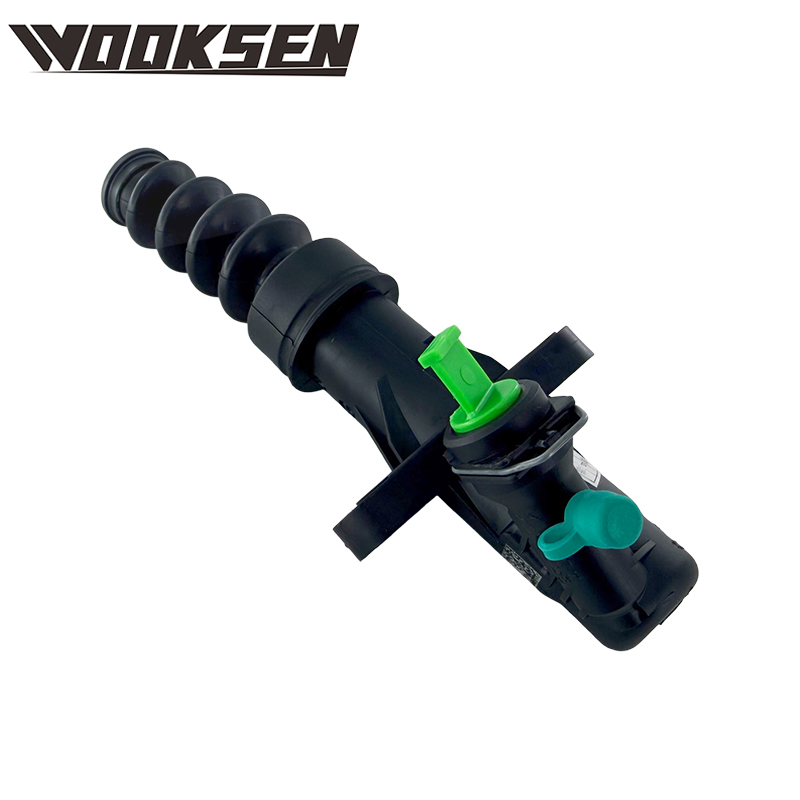
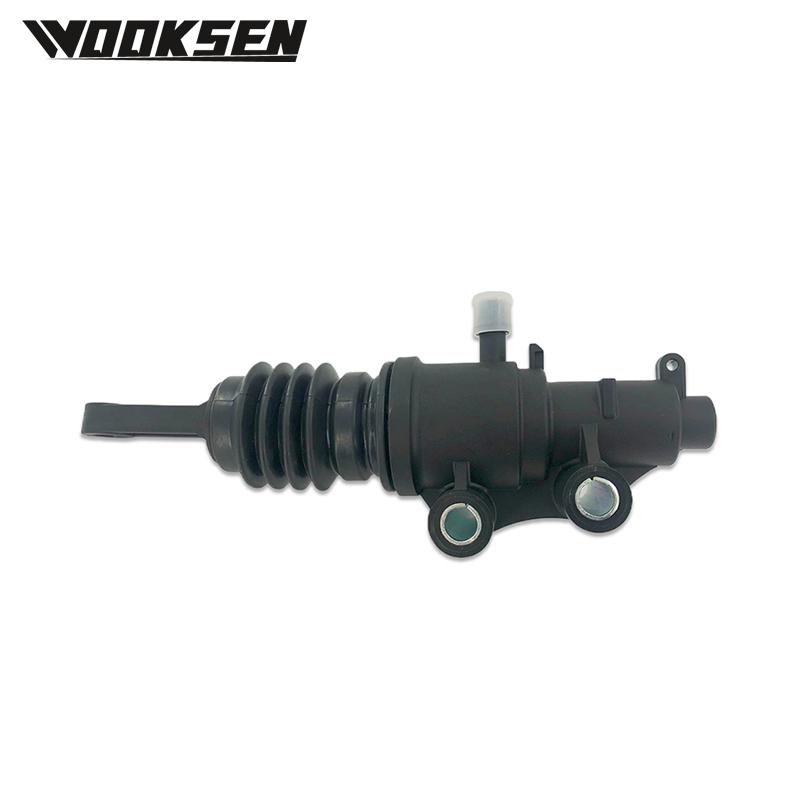
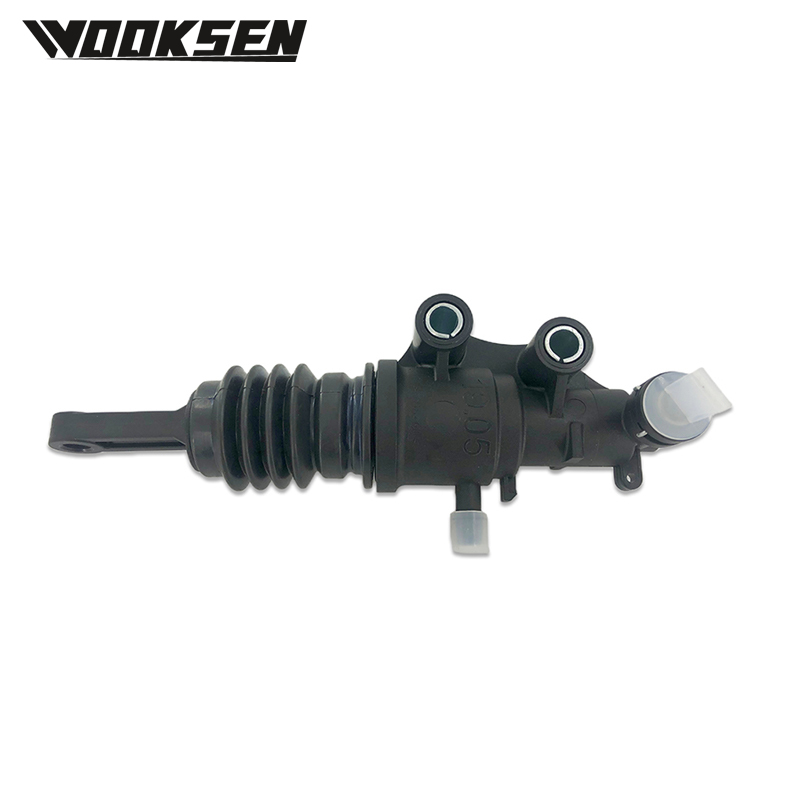
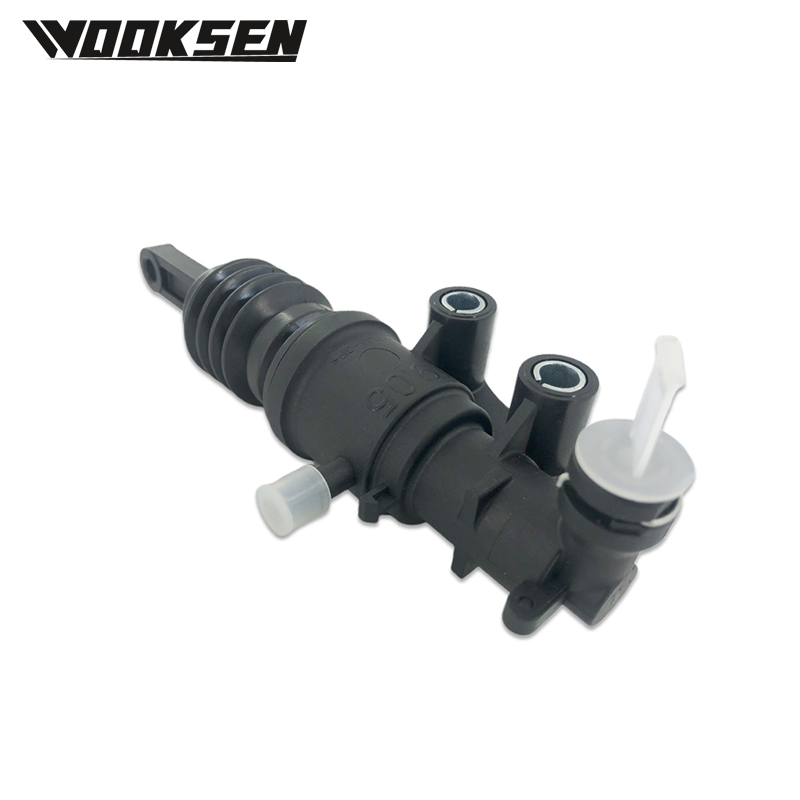
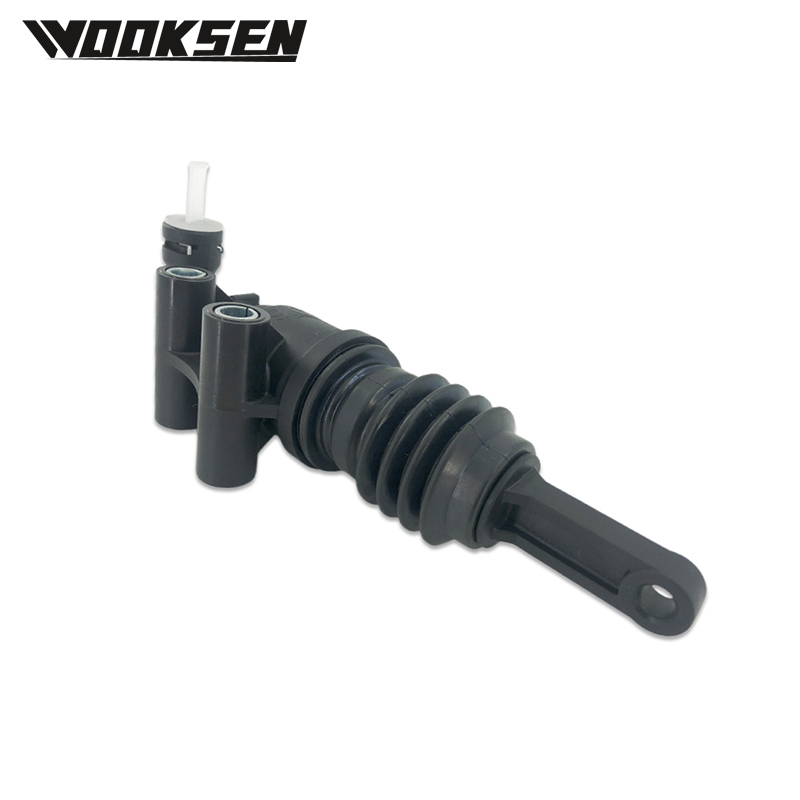
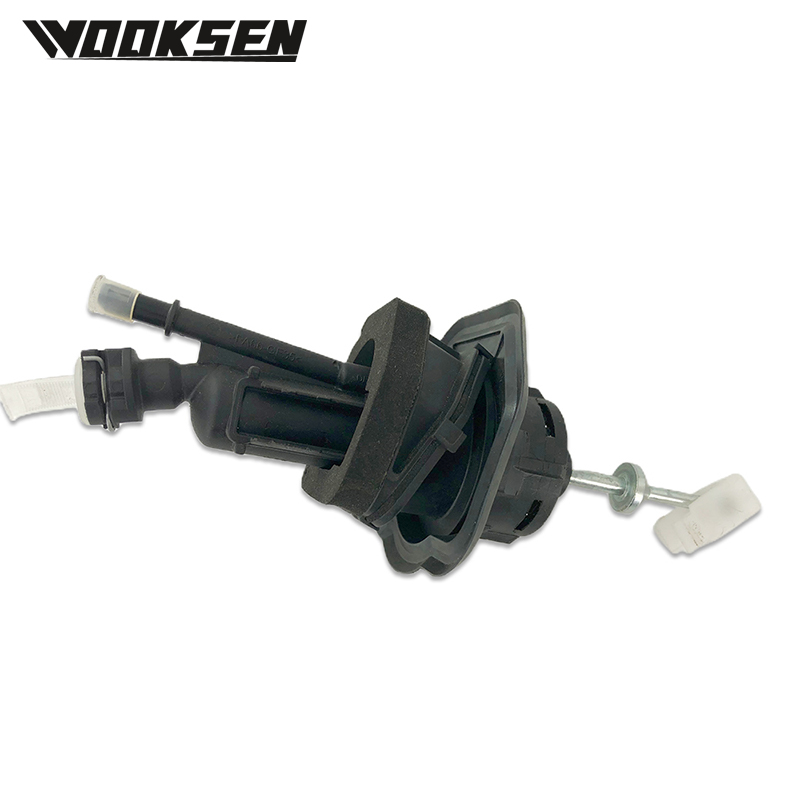
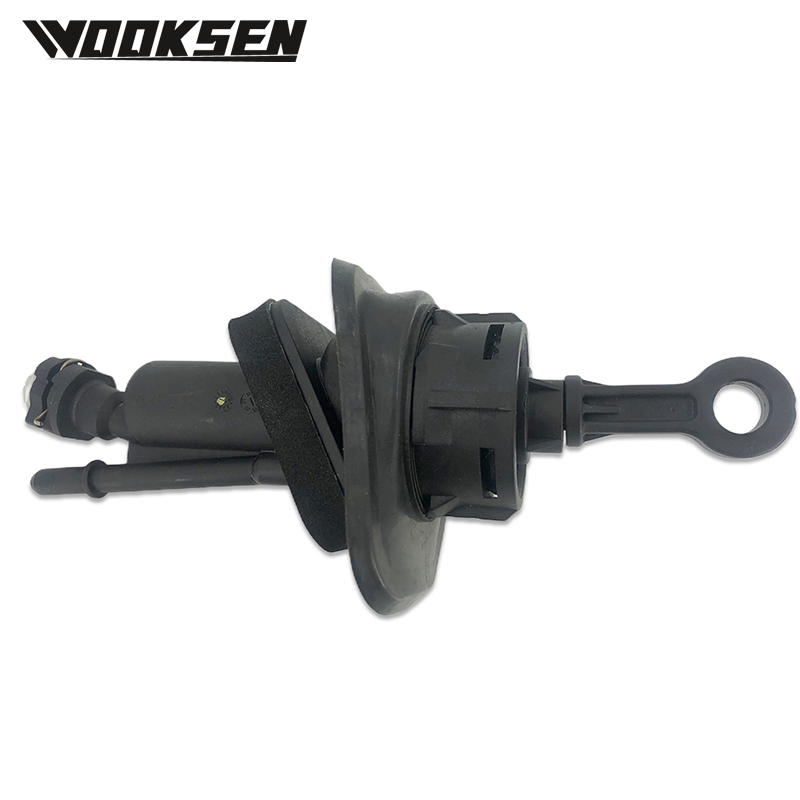
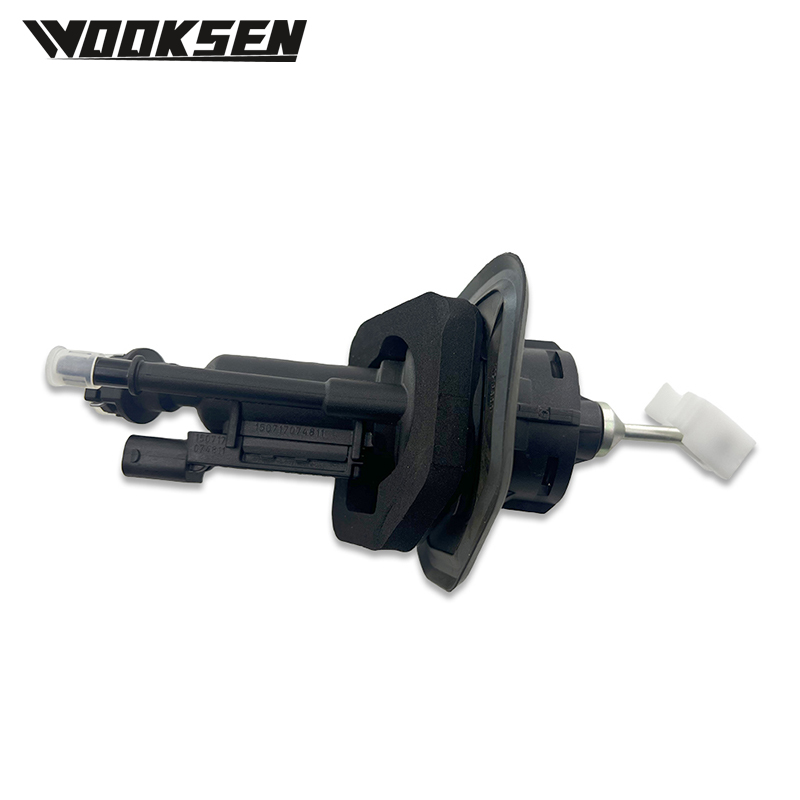
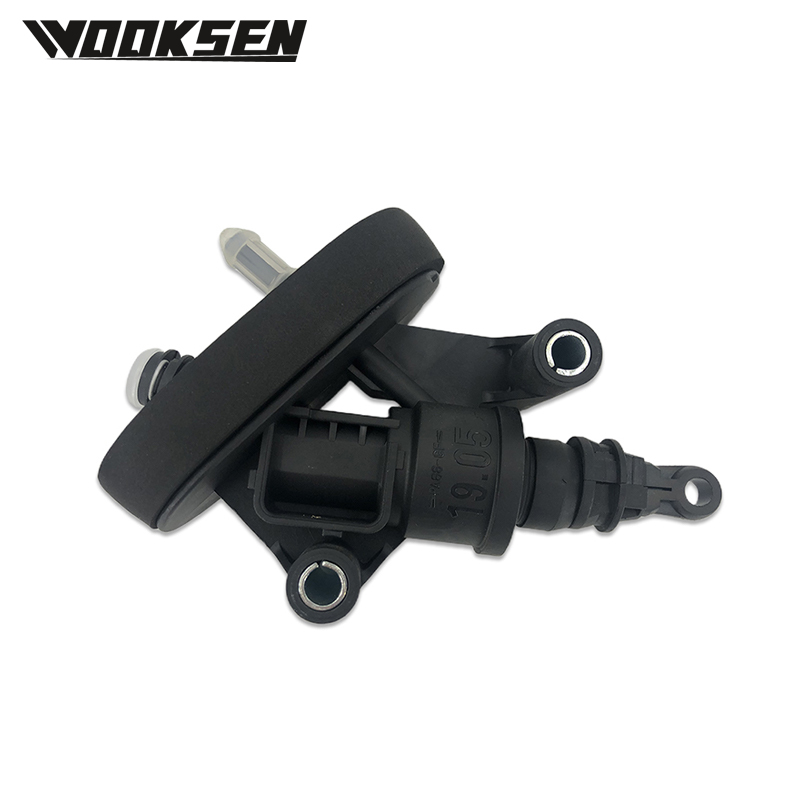
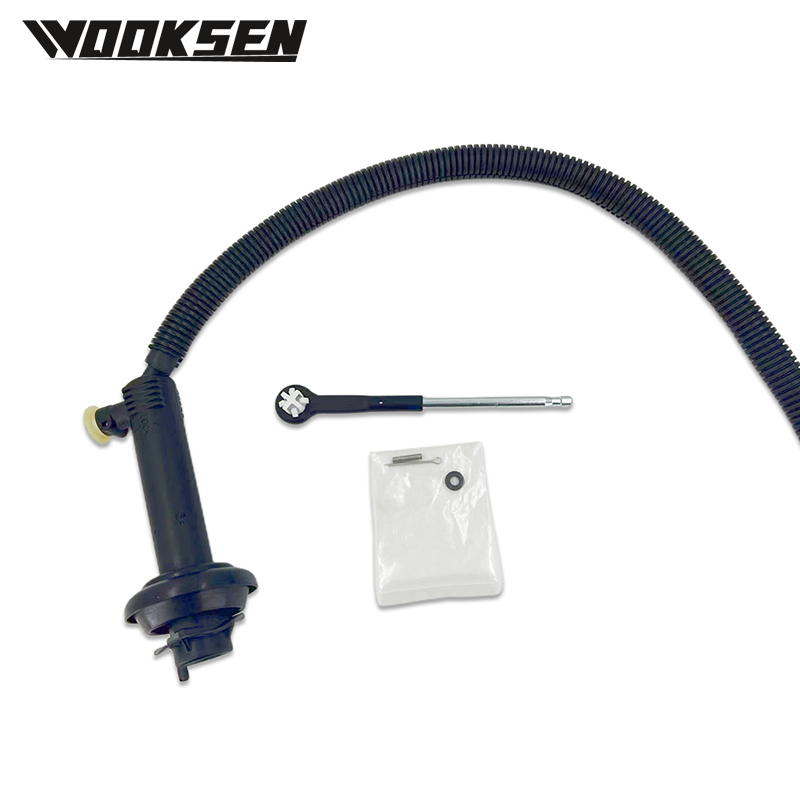
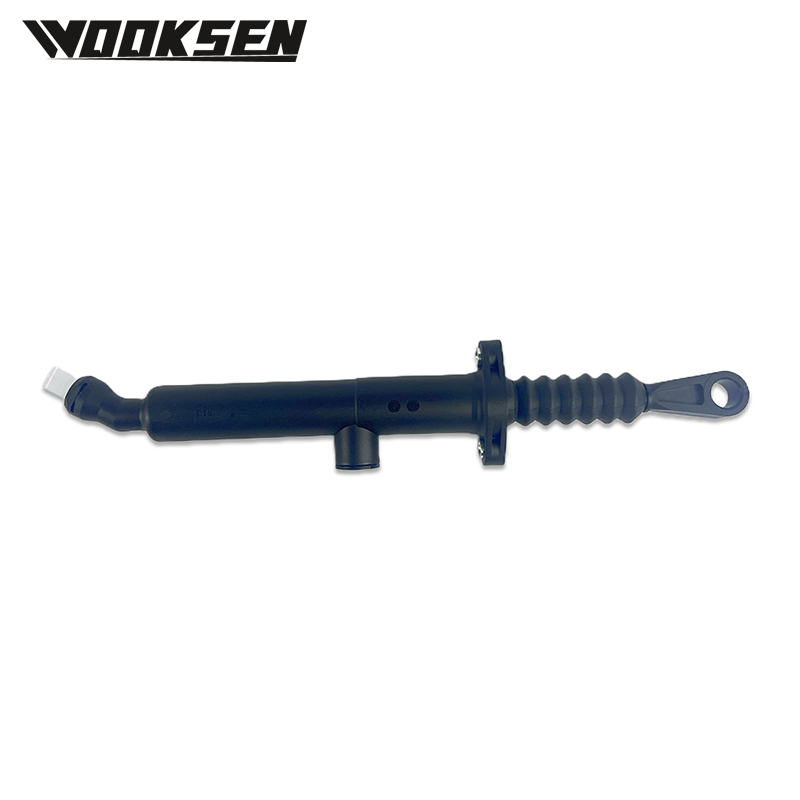
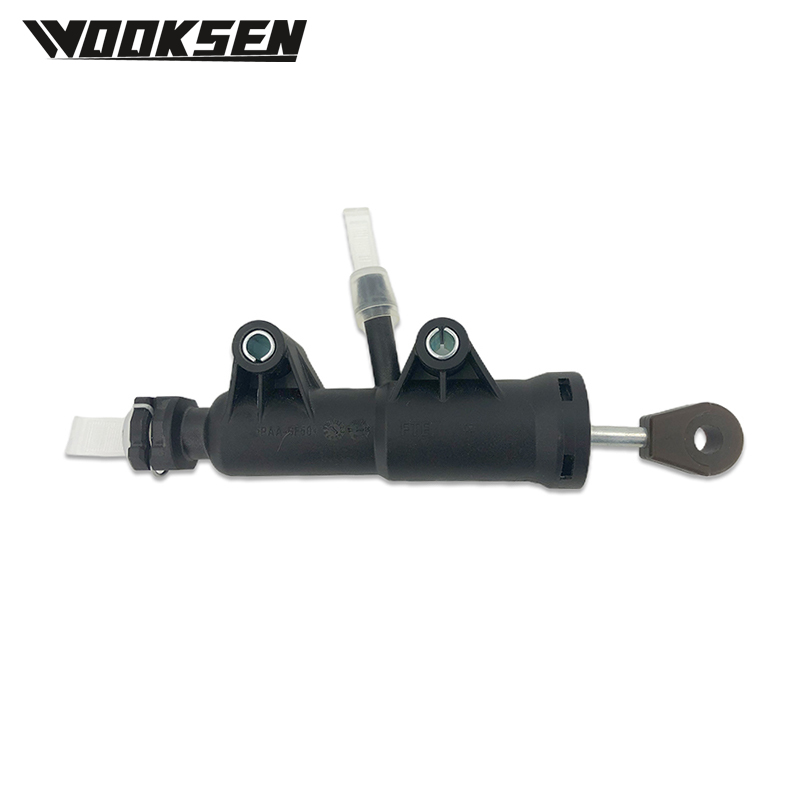
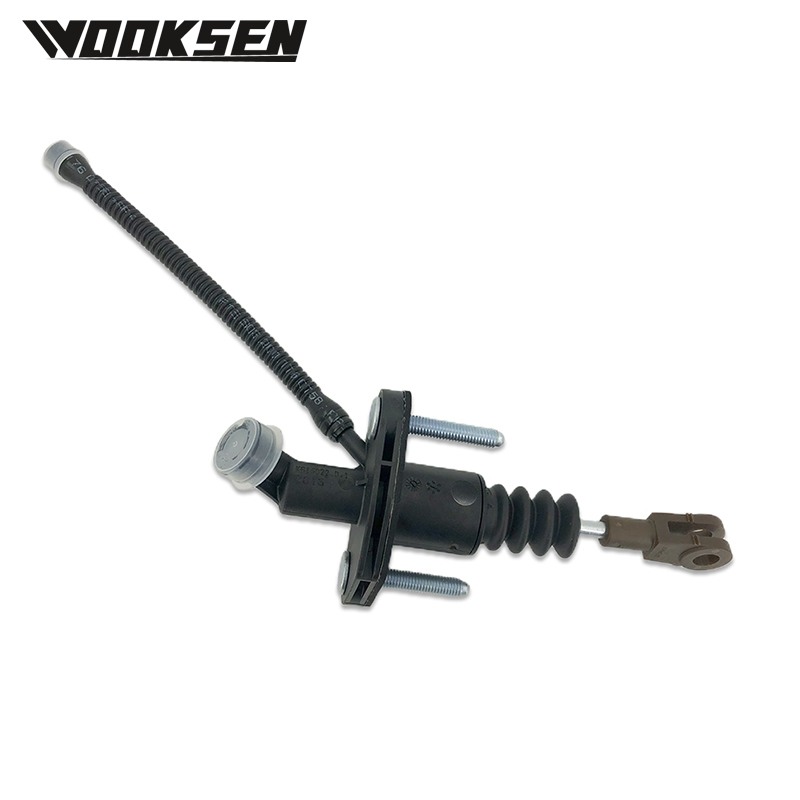
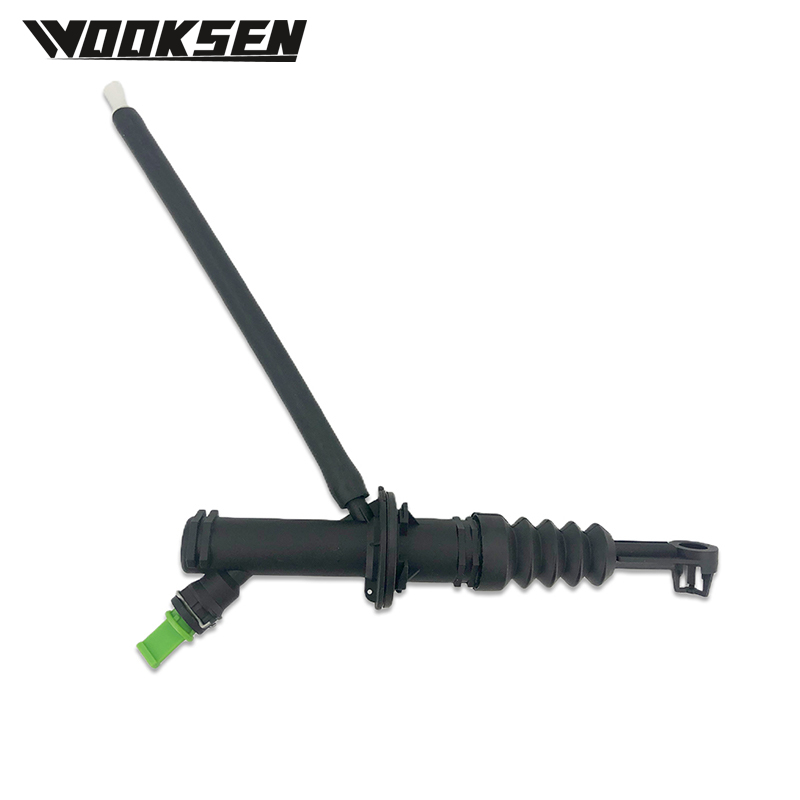
On a conventional clutch master cylinder, the pushrod that connects the pedal to the piston is partially exposed where it exits the cylinder body. In a passenger car, that is rarely a problem. In a pickup truck used in off-road, agricultural, or construction environments, that exposed section becomes an entry point for the kind of contamination that these vehicles encounter as a matter of routine — mud, dust, water, and fine grit that work their way into the pushrod bore, score the internal surfaces, and accelerate seal wear from the outside in.
The enclosed pushrod design addresses this directly. The pushrod travel zone is shielded within the cylinder assembly, limiting the exposure of moving metal surfaces to external contamination. The result is a component that is better suited to the actual operating environment of the vehicles it fits — not a sealed cabin commuter car, but a truck that may spend its working day on farm tracks, construction sites, river crossings, or unpaved rural routes across markets where the Ranger and BT-50 are workhorse vehicles rather than lifestyle accessories.