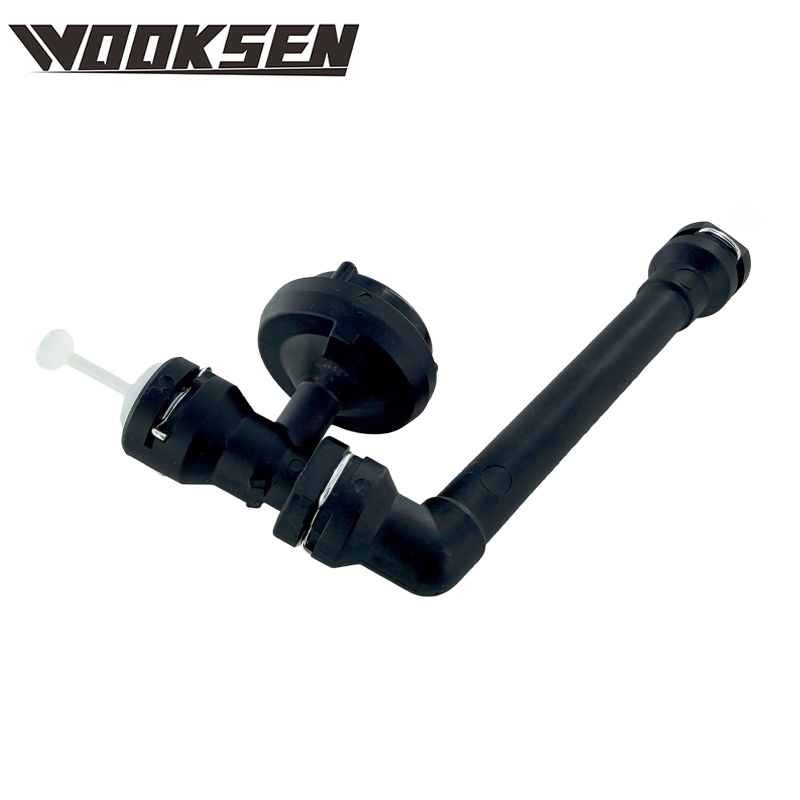
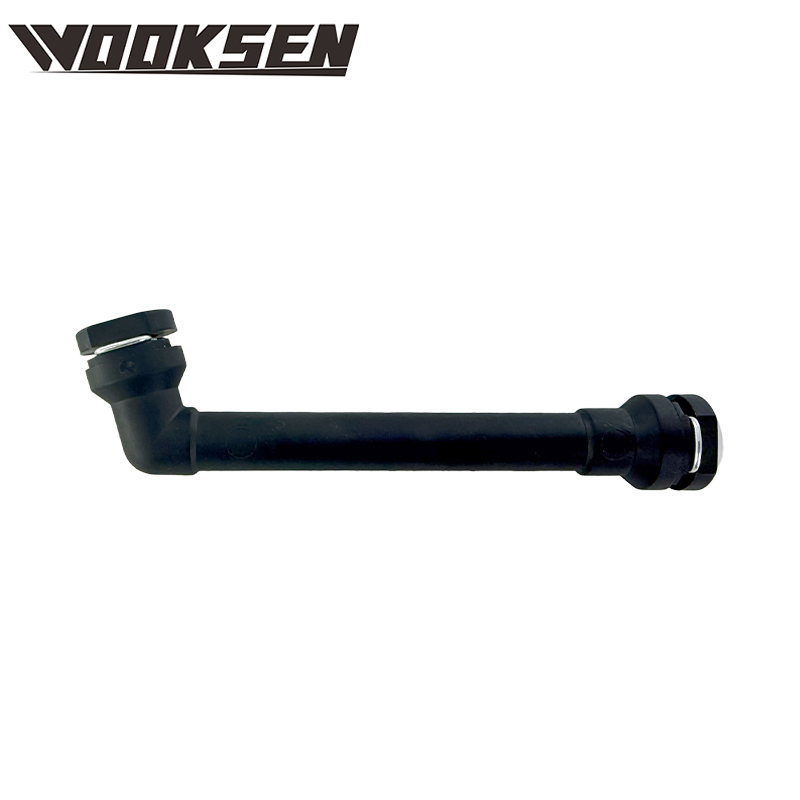
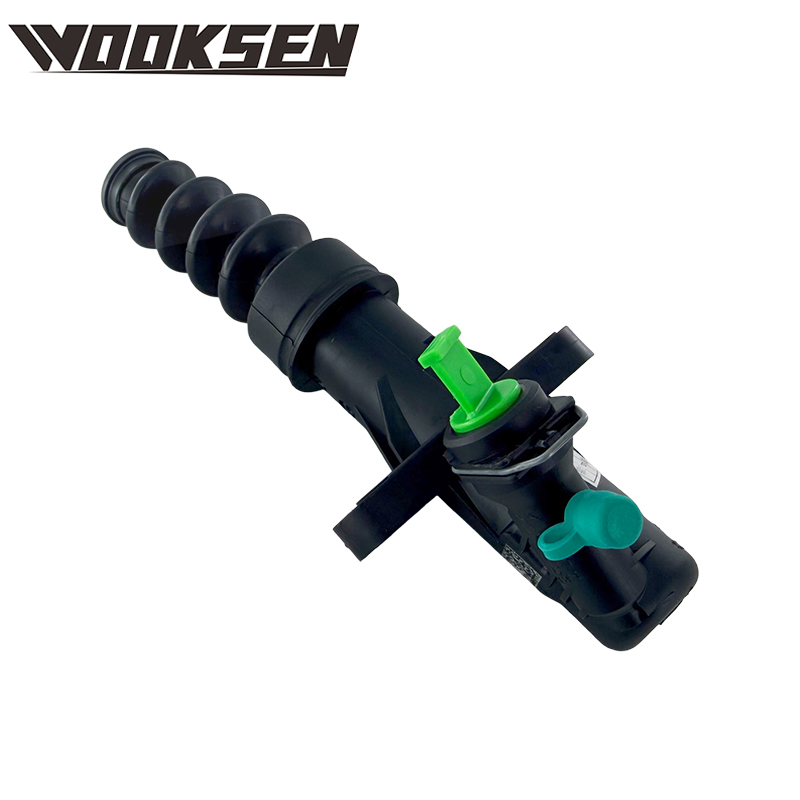
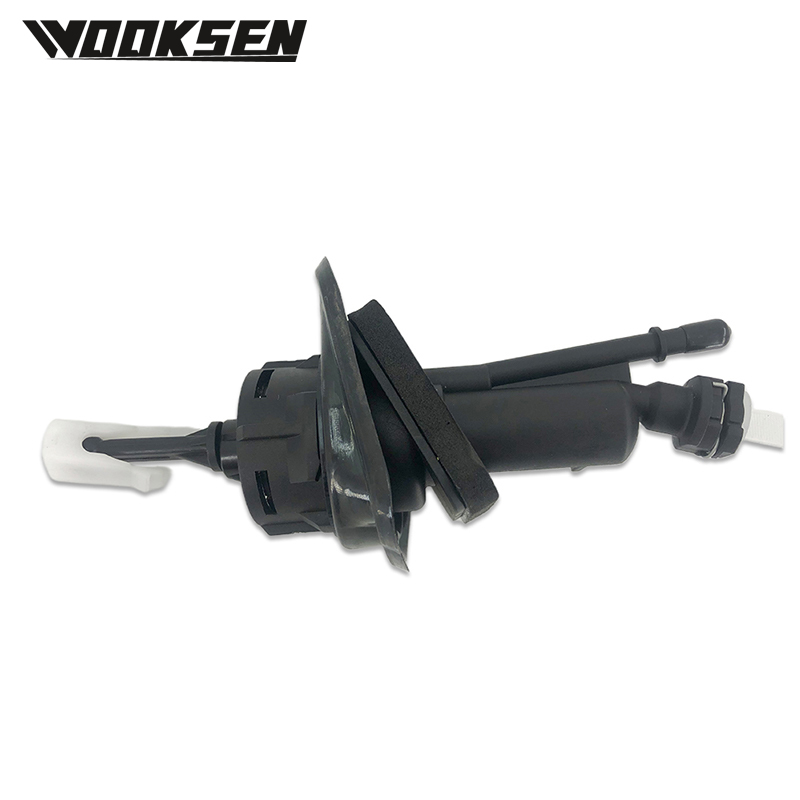
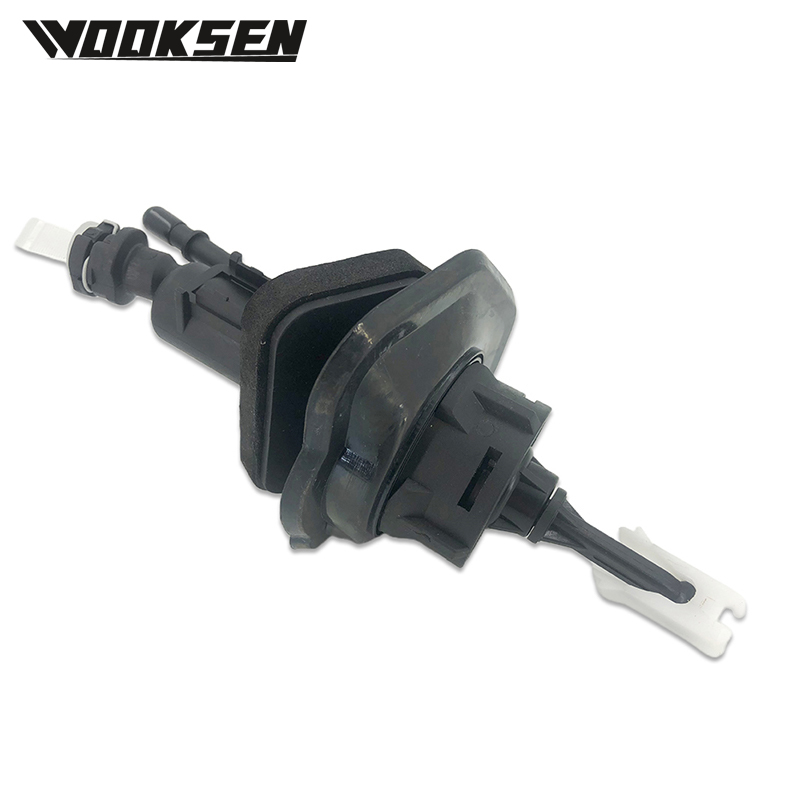
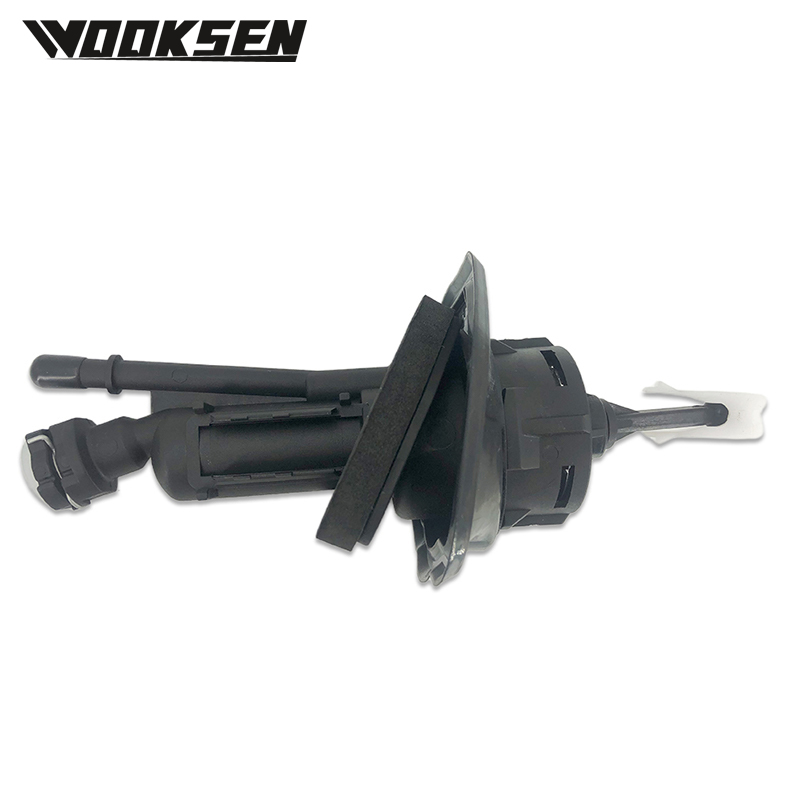
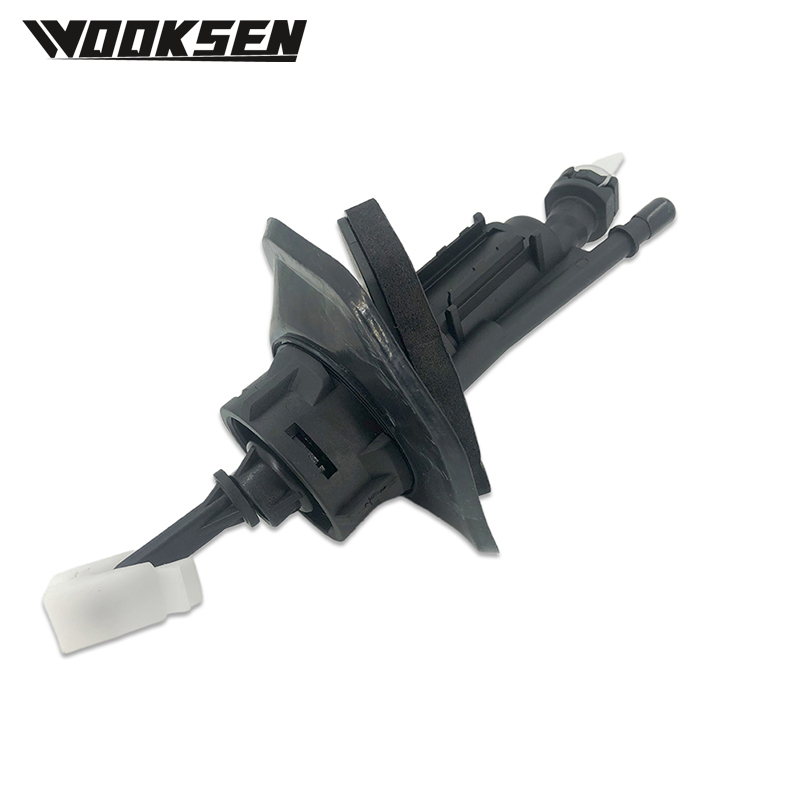
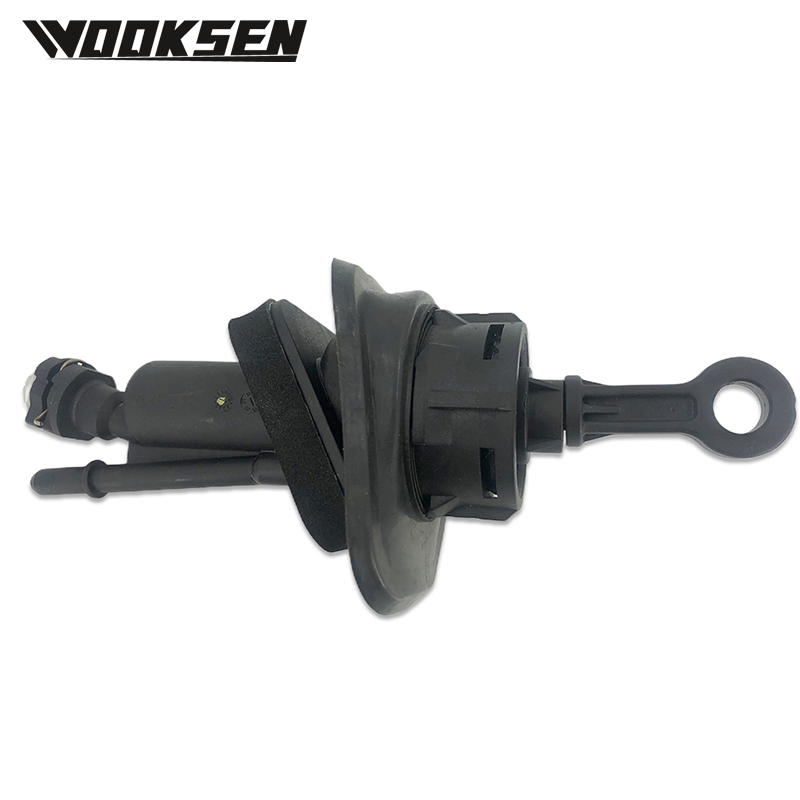
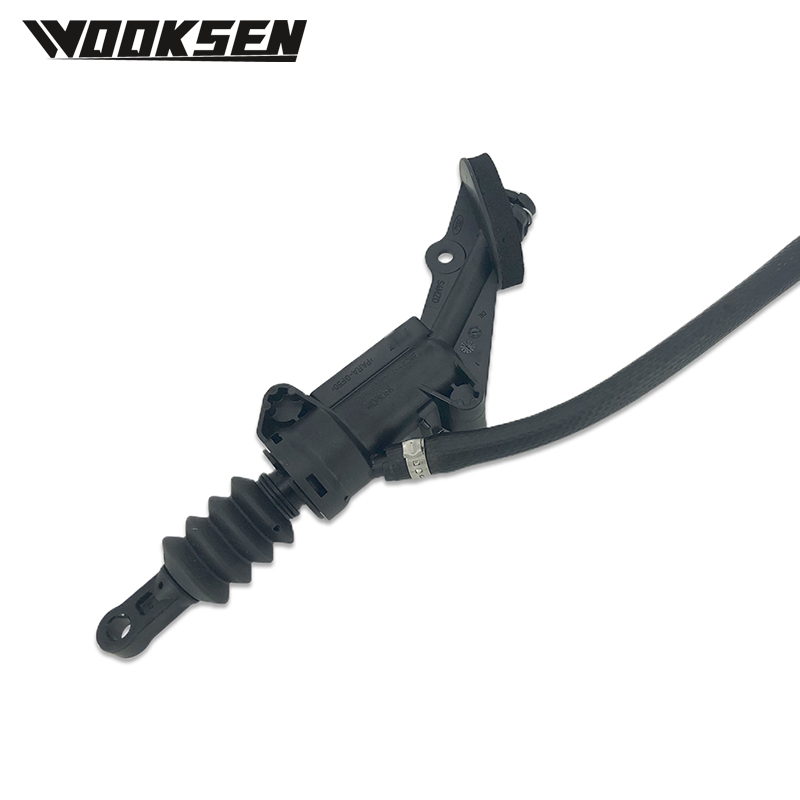
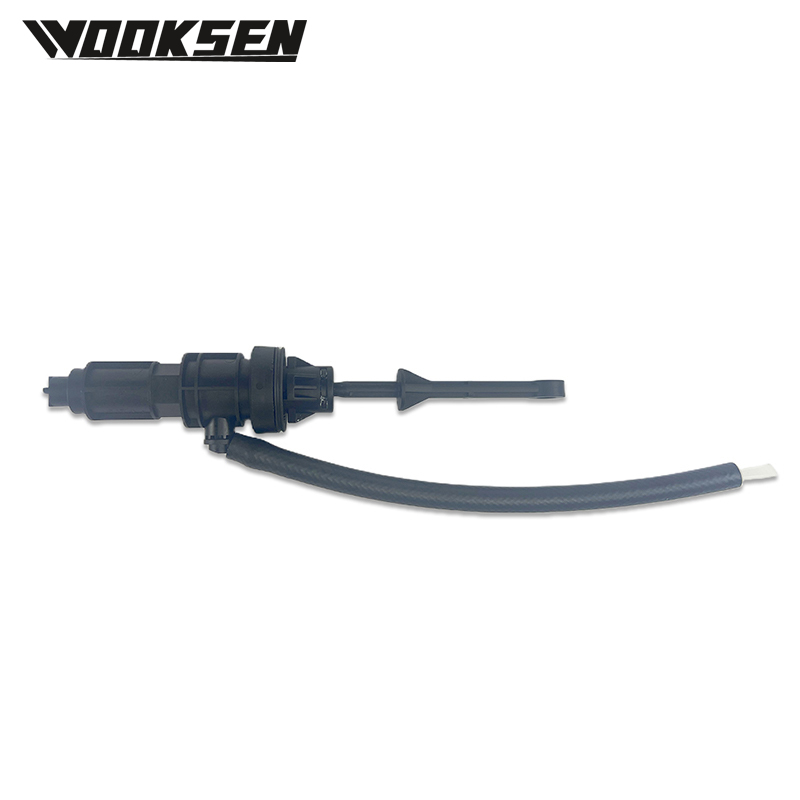
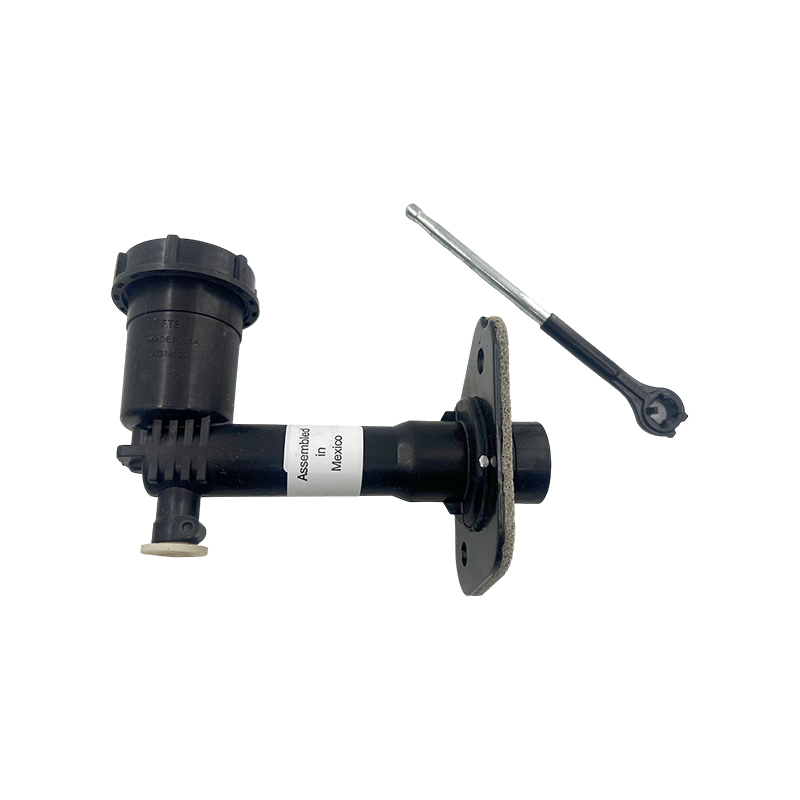
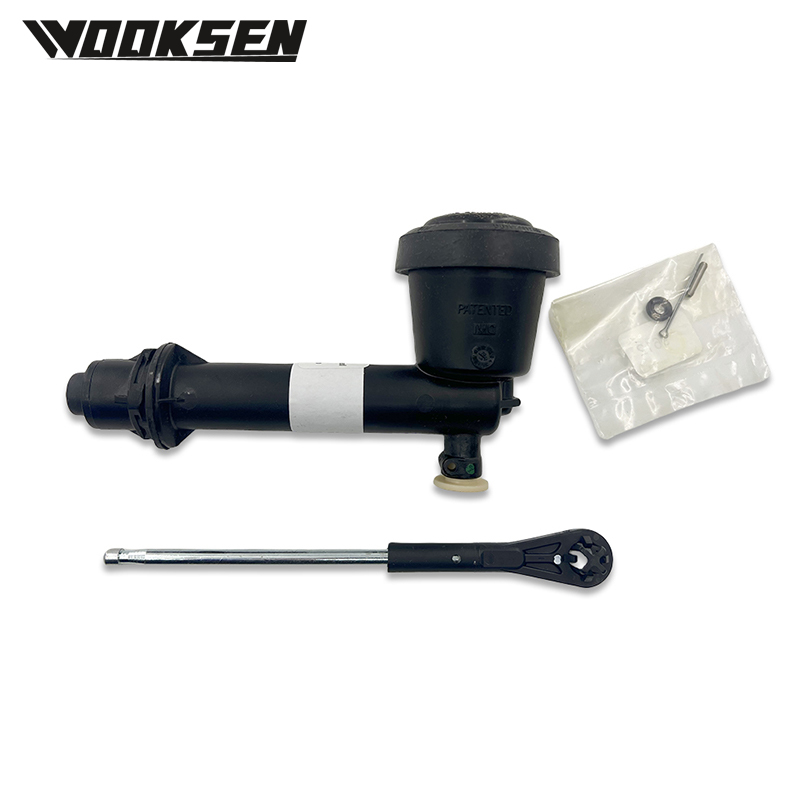
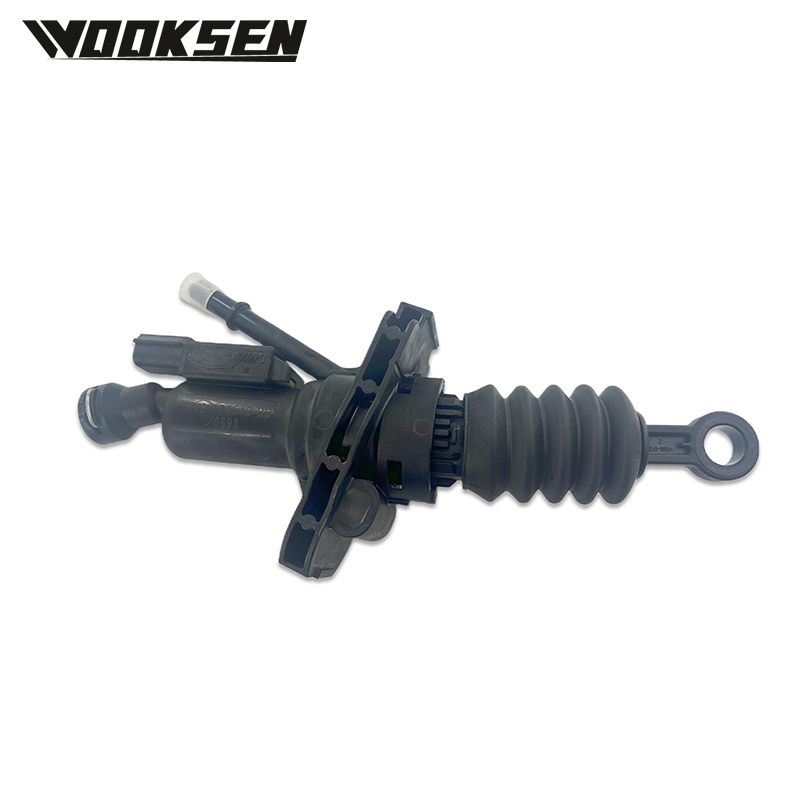
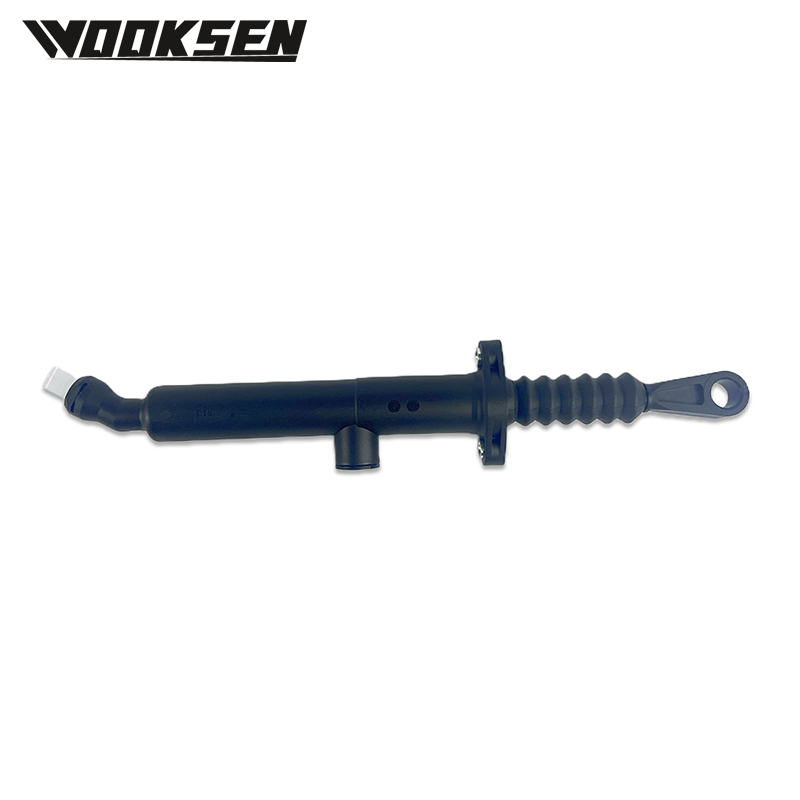
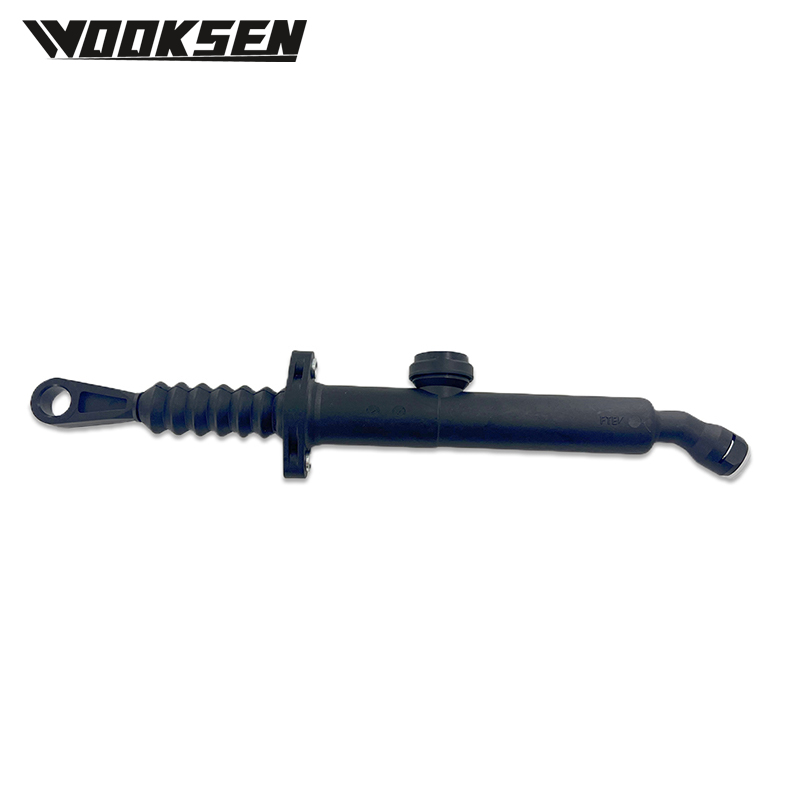
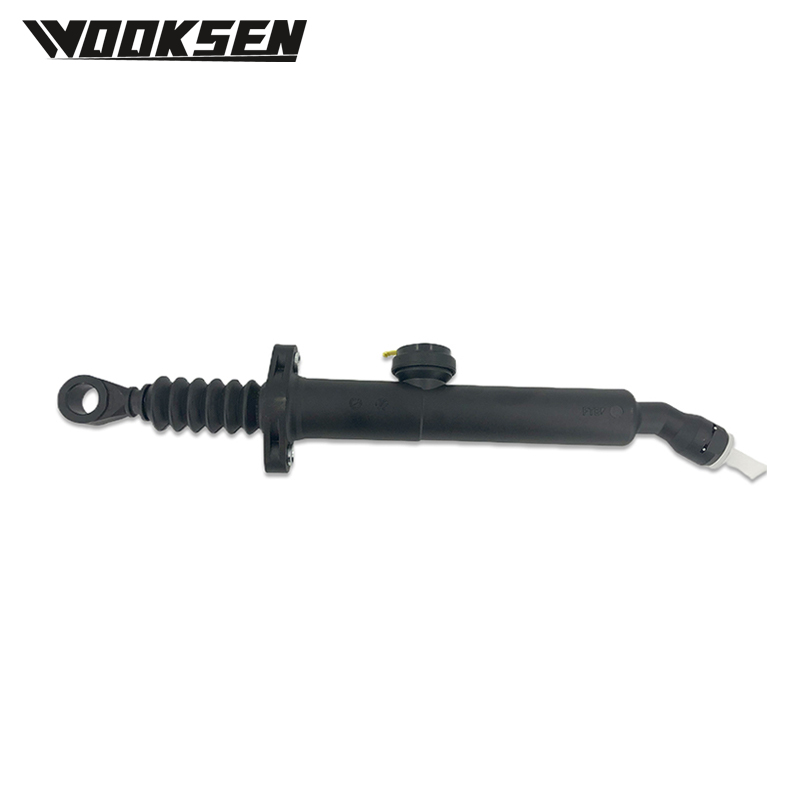
CM043
| OE Number |
Cross Reference Number |
| 1224067 |
3M51-7A543-AB |
| 1226669 |
3M51-7A543-AC |
| 1232971 |
3M51-7A543-AD |
| 1330266 |
3M51-7A543-AE |
| 1476806 |
3M51-7A543-AF |
| 1539937 |
3M51-7A543-AG |
| 1863548 |
BV61-7A543-AA |
| 3068142 |
BP4K-41-400B |
| 3078789 |
BP4K-41-400C |
| 3125946 |
BP4K-41-400D |
| 3136740 |
BP4K-41-400E |
| 8675600 |
— |
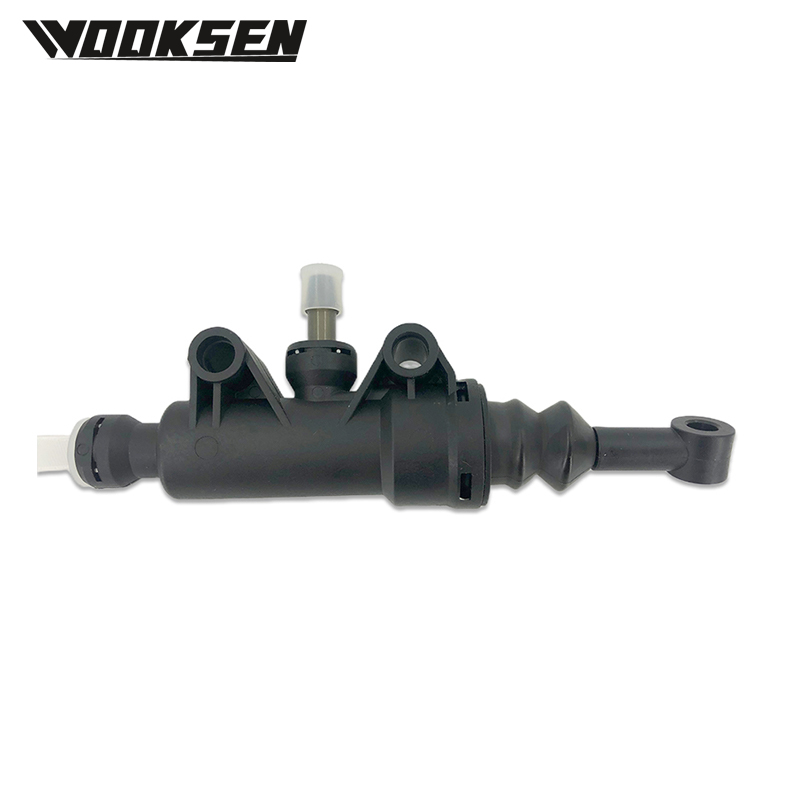
Core Function
1. Hydraulic Pressure Generation
Every time the clutch pedal is pressed, this cylinder converts mechanical foot force into hydraulic pressure. That pressure is what physically disengages the clutch plate from the flywheel. If the cylinder cannot build or hold pressure — due to worn seals or internal bypass — the clutch will not release cleanly.
2. Integrated Reservoir Port
This unit includes a dedicated reservoir port, meaning fluid is fed directly from the reservoir into the cylinder body. This design keeps the fluid supply stable and reduces the risk of air ingestion at the inlet, which is one of the causes of a spongy or inconsistent pedal feel. Fitting the correct port configuration for this application is not optional — it is what the system was designed around.
3. Seal and Bore Integrity
The internal piston cup and bore finish are the components that actually hold hydraulic pressure between pedal applications. Degraded seals allow fluid to bypass the piston, which shows up as a pedal that slowly sinks under sustained pressure or requires pumping to restore feel. This replacement unit uses seal materials rated for standard DOT 3 and DOT 4 fluid across the temperature range these vehicles typically see.
4. Direct OE-Spec Fitment
Port thread, bore diameter, push rod geometry, and reservoir connection all match the OE specification for the covered platforms. No adaptation, no modification, no adjustment after installation. This is relevant for workshop buyers and their technicians — a non-standard fit adds time and creates liability.
5. Cross-Platform Coverage
A single part number covering Ford and Mazda applications from multiple model lines and generations simplifies catalog management significantly. For distributors, it means fewer SKUs to stock for the same vehicle coverage. For private label buyers, it means a higher volume potential per line.
Application
This unit fits a wide range of vehicles across the Ford and Mazda platforms that shared common drivetrain architecture during the 2000s and early 2010s. The fitment list covers both passenger cars and compact MPVs across multiple body styles and generations.
On the Ford side, coverage includes the C-Max DM2 and C-Max II (DXA/CB7 and DXA/CEU platforms), the C-Max Van, and the Focus C-Max. The Focus range is covered across Mk2 and Mk3 generations — including the Mk2 Convertible (DB3), Mk2 Estate (DA_, FFS, DS), Mk2 Hatchback (DA_, HCP, DP), Mk2 Saloon (DB_, FCH, DH), and all three Mk3 body styles: hatchback, saloon, and estate (all DYB platform). Kuga coverage spans the Mk1 off-road variant, the Mk2 Van, and the Mk2 passenger version (DM2).
On the Mazda side, this cylinder fits the Mazda 3 in both BK and BL generations across hatchback and saloon body styles, and the Mazda 5 in both CR19 and CW generations. This cross-brand fitment reflects the Ford-Mazda platform sharing arrangement of that era and means a single SKU can serve buyers supplying both marques.
Always verify engine specification and gearbox type before bulk ordering, as automatic transmission variants do not use a clutch master cylinder.

 English
 русский
 Español
 عربى
عربى