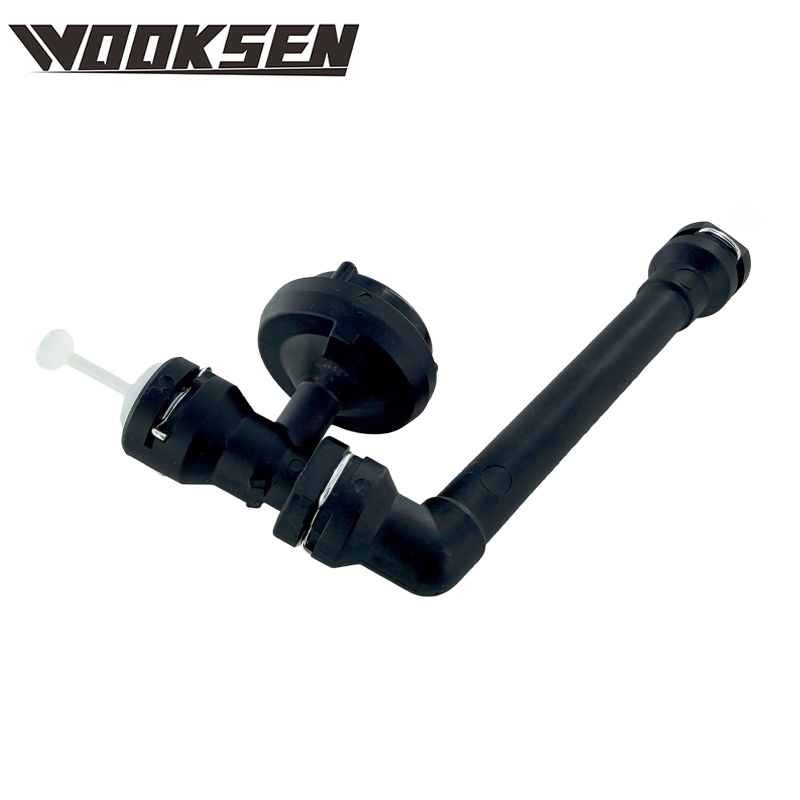
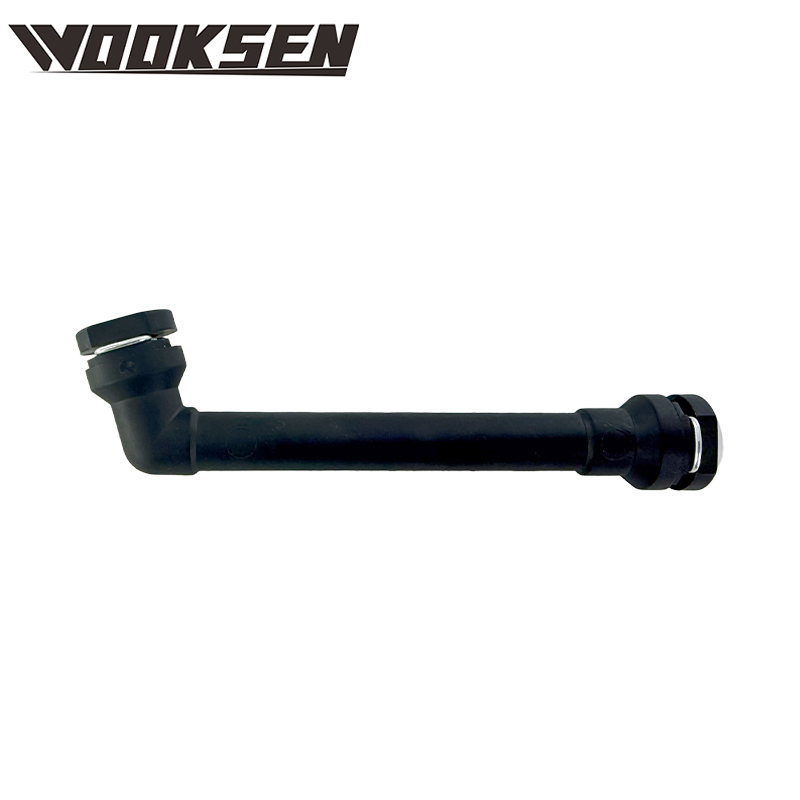
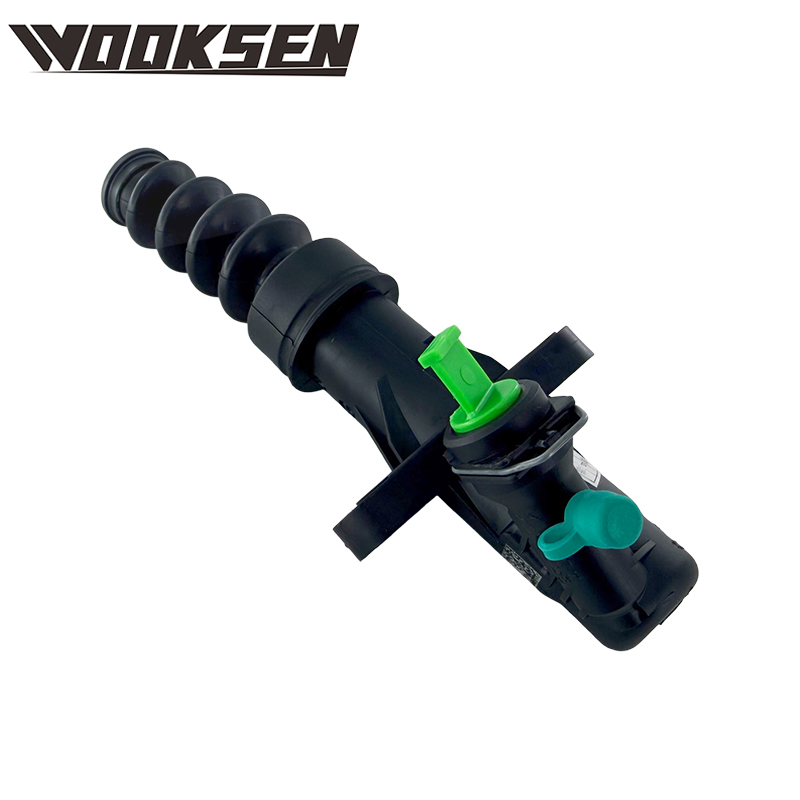
CRB-025
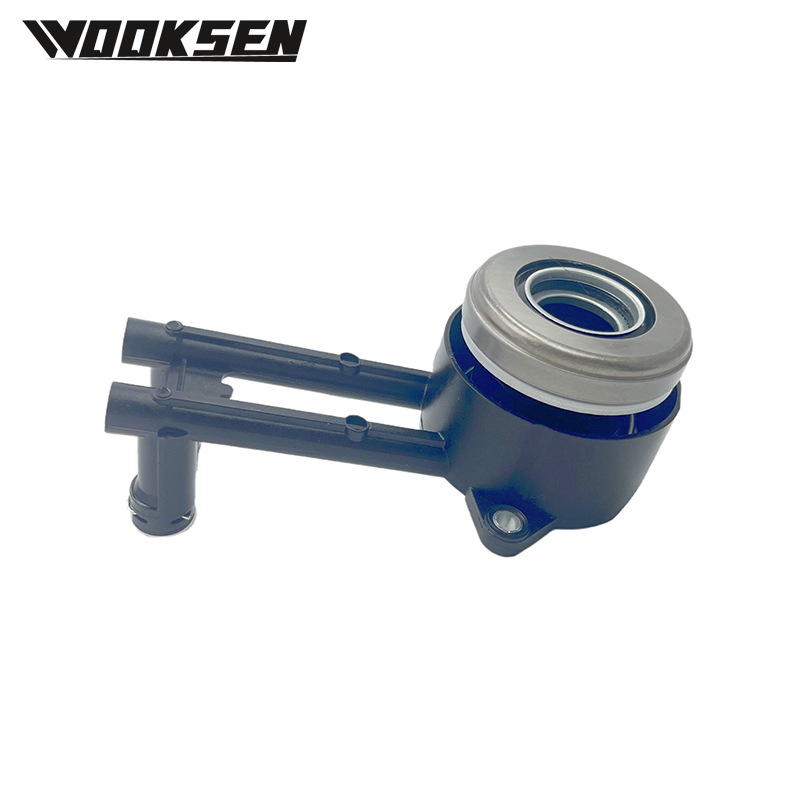
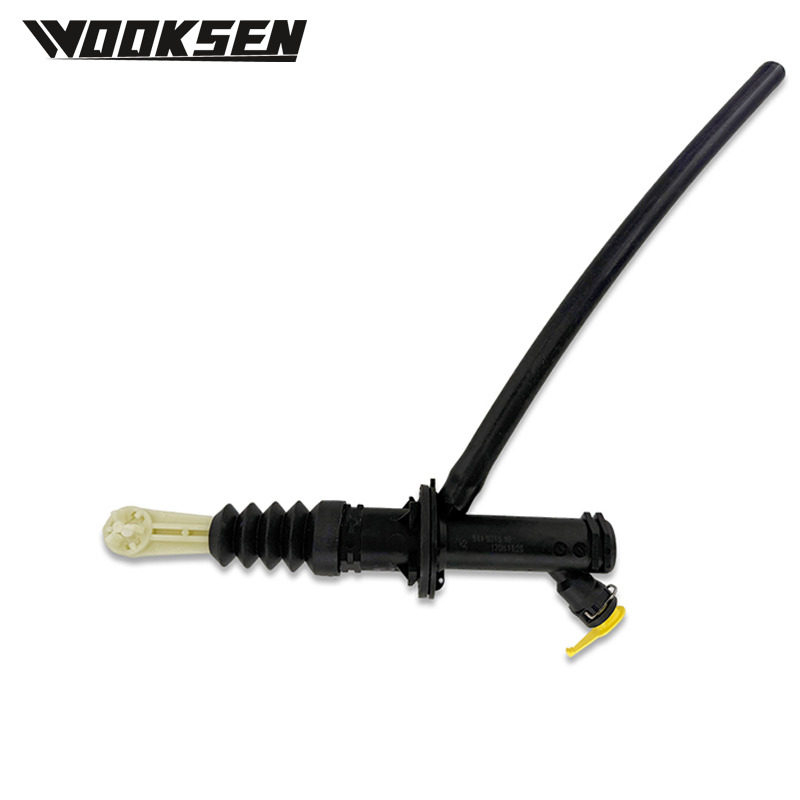
Hydraulic pressure from the clutch pedal reaches this compact unit mounted inside the transmission bell housing. Fluid enters through one of the two integrated pipes and moves an internal piston that pushes a release bearing against the clutch diaphragm spring. The second pipe allows air to escape during bleeding so the system stays free of air bubbles.
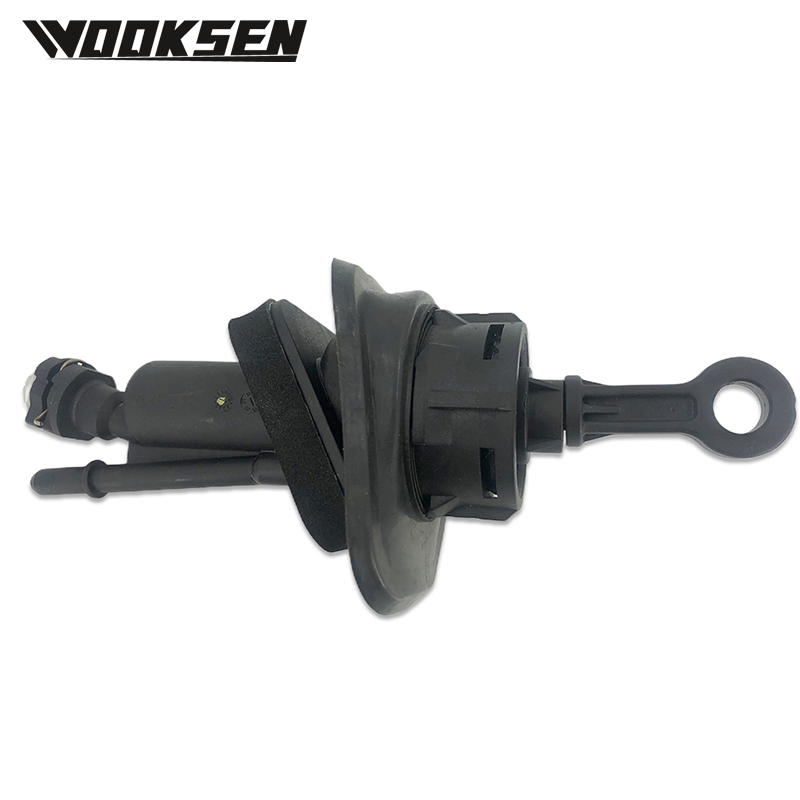
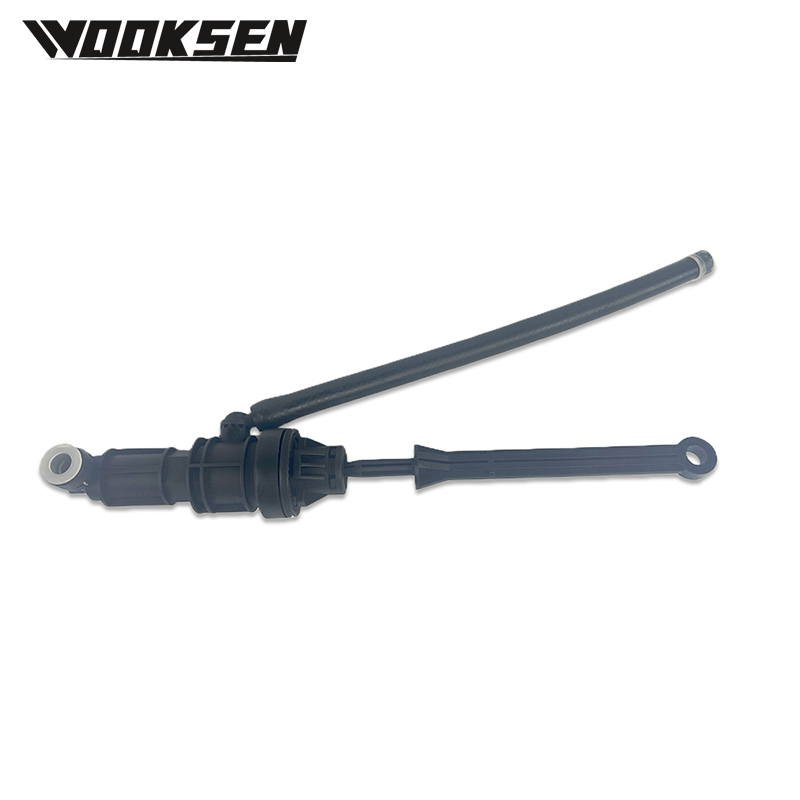
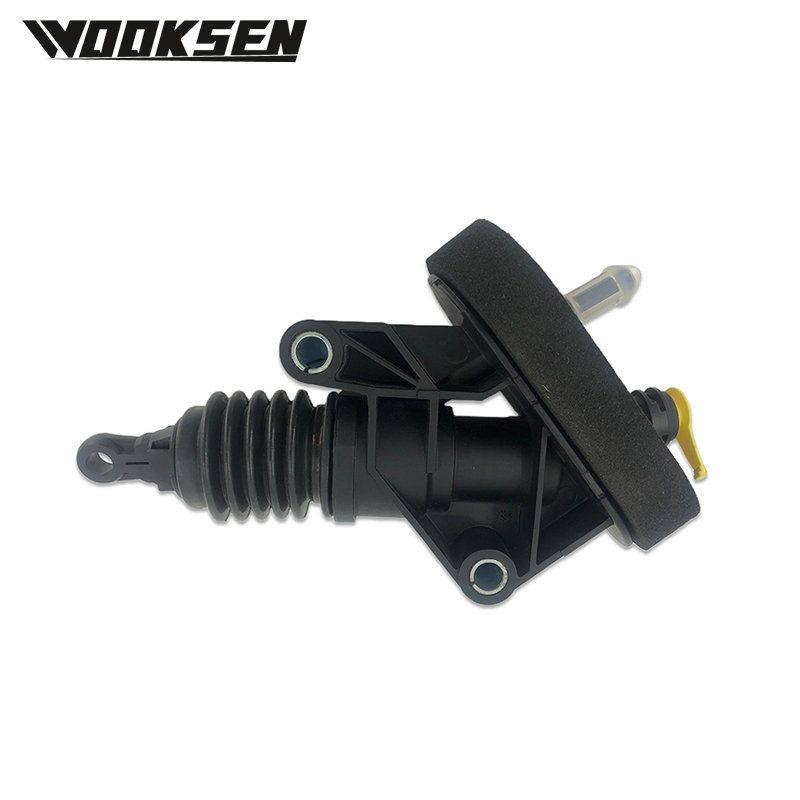
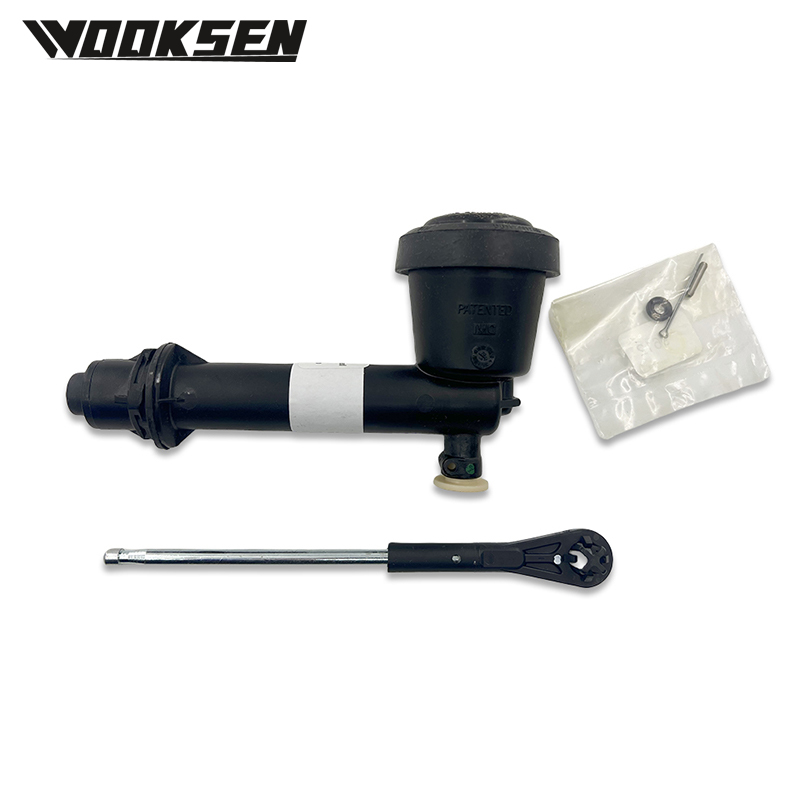
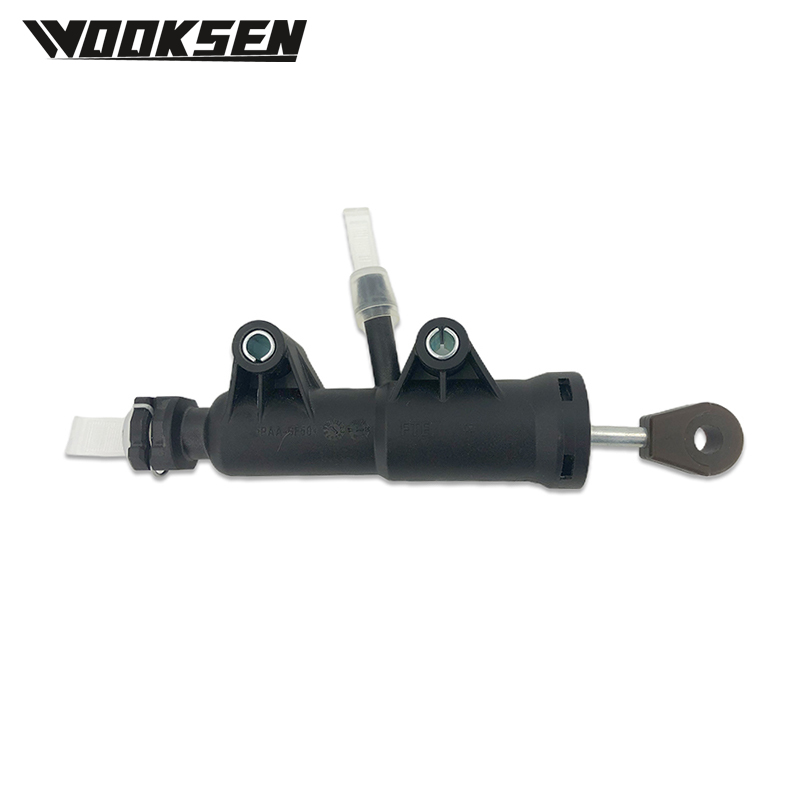
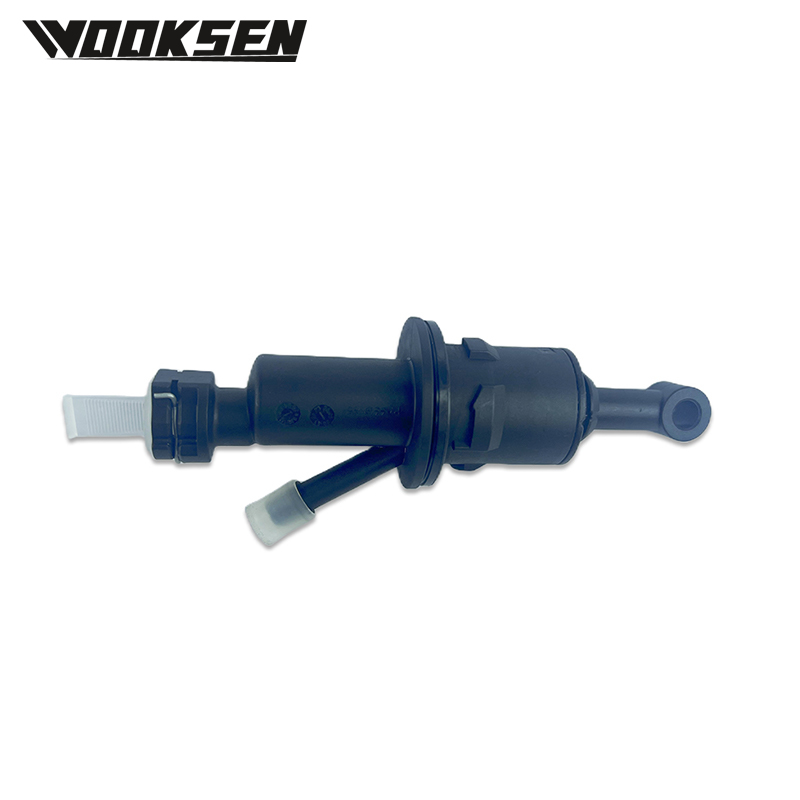
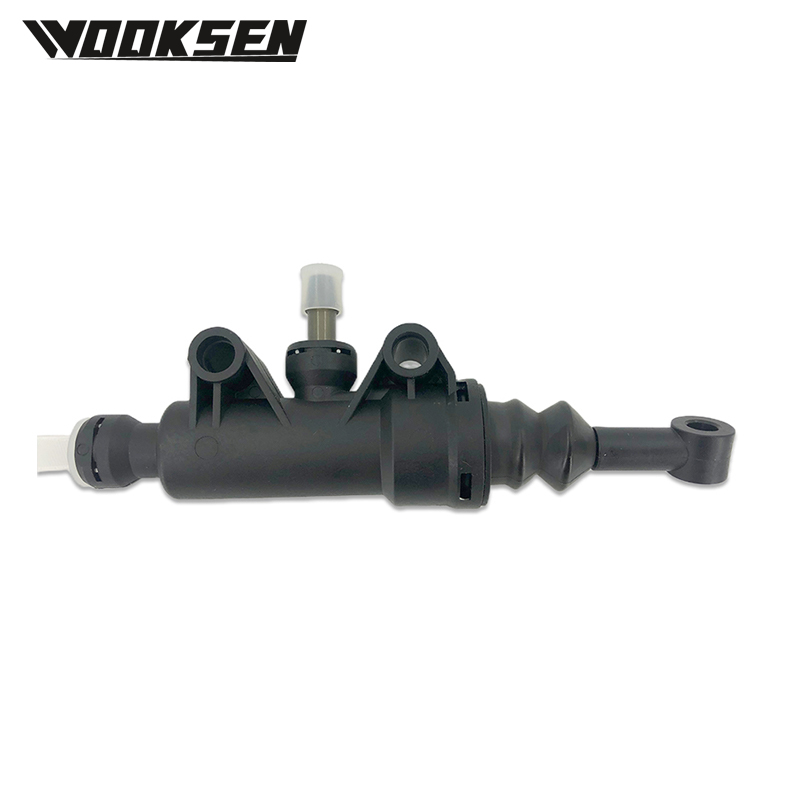
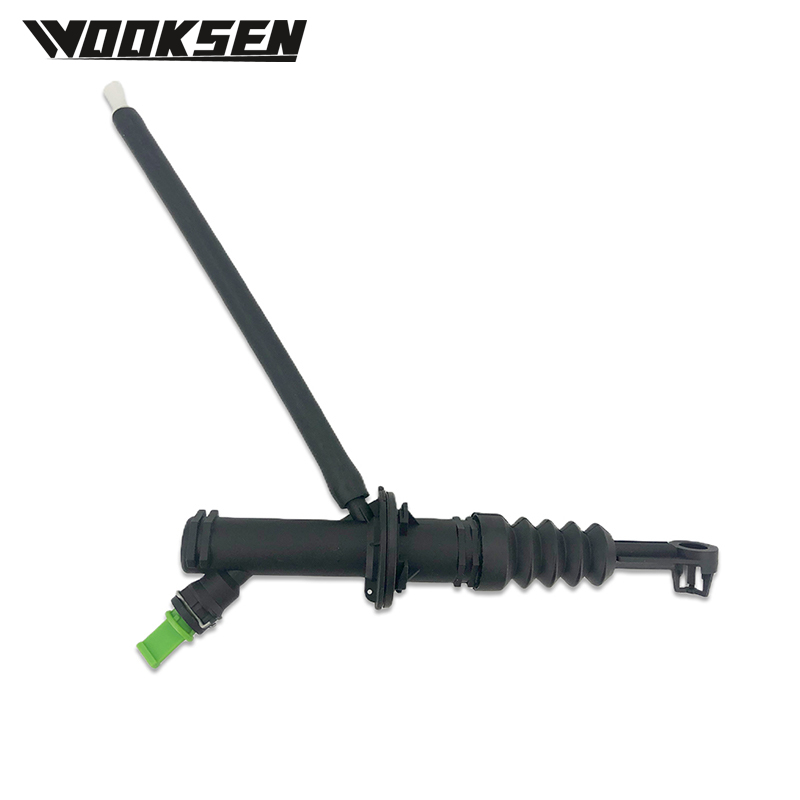
Designed as a single combined component, the 2S61-7A564-CA Dual Pipe Hydraulic Clutch Release Bearing replaces both a traditional external slave cylinder and a separate mechanical release bearing. Its concentric layout sits around the transmission input shaft and delivers even force to the pressure plate every time the pedal is pressed. The dual-pipe design simplifies fluid connection and bleeding compared with single-pipe versions.
Built to match original equipment dimensions and mounting points, this assembly fits a wide range of smaller passenger cars and light commercial models that share the same clutch hydraulic layout. The housing is typically a durable plastic or composite material with a precision metal bearing surface that resists wear under normal operating temperatures and pressures.
Customer Pain Points Solved
Leaking fluid inside the bell housing is a frequent complaint. Contaminated clutch discs lead to slip, judder or complete failure. The sealed design of the 2S61-7A564-CA Dual Pipe Hydraulic Clutch Release Bearing prevents internal leakage when the unit is correctly installed and bled.
Incomplete clutch disengagement causes grinding when selecting gears or difficulty shifting. A worn or sticking concentric unit is often the root cause. Replacing it restores full travel of the release bearing and clean separation of the clutch disc.
Hard or spongy pedal feel usually points to air in the system or failing internal seals. The dual-pipe layout allows thorough bleeding, removing air pockets and restoring firm pedal response. Uneven release force that accelerates clutch wear is also reduced because the concentric bearing applies pressure evenly around the diaphragm.
For workshops, the main pain is extended labour time and the need to source multiple separate components. One integrated unit solves the release system problem in a single step. For distributors, the pain is fragmented demand across many similar numbers; this part consolidates coverage and improves stock turnover.

 English
 русский
 Español
 عربى
عربى