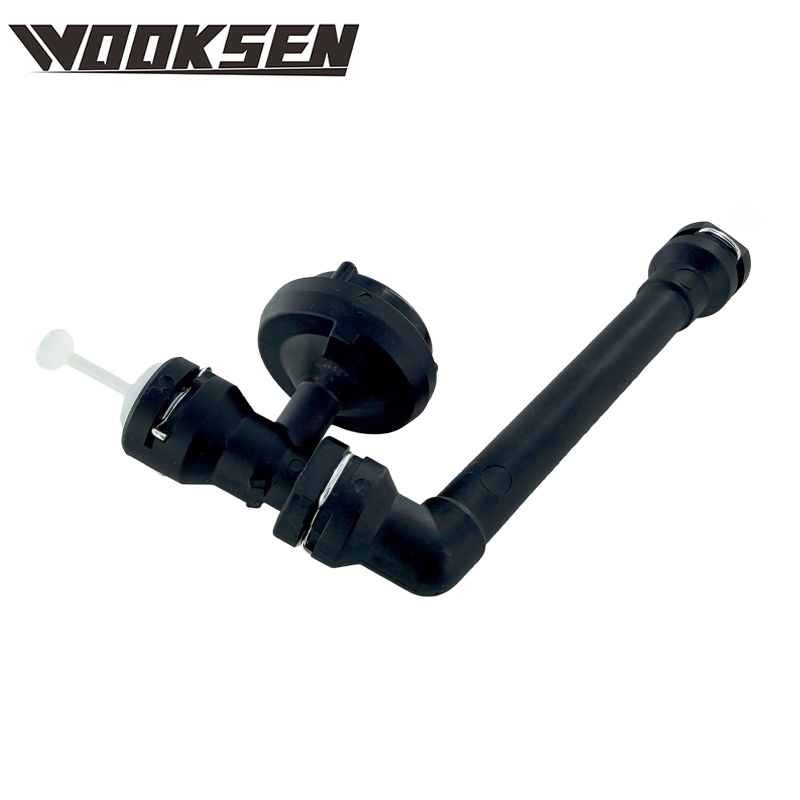
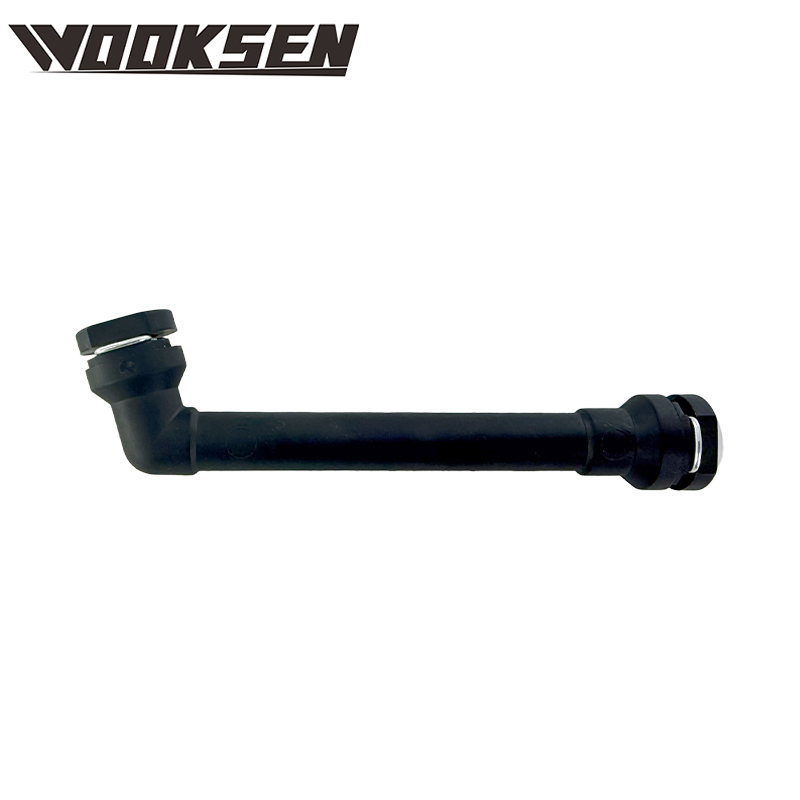
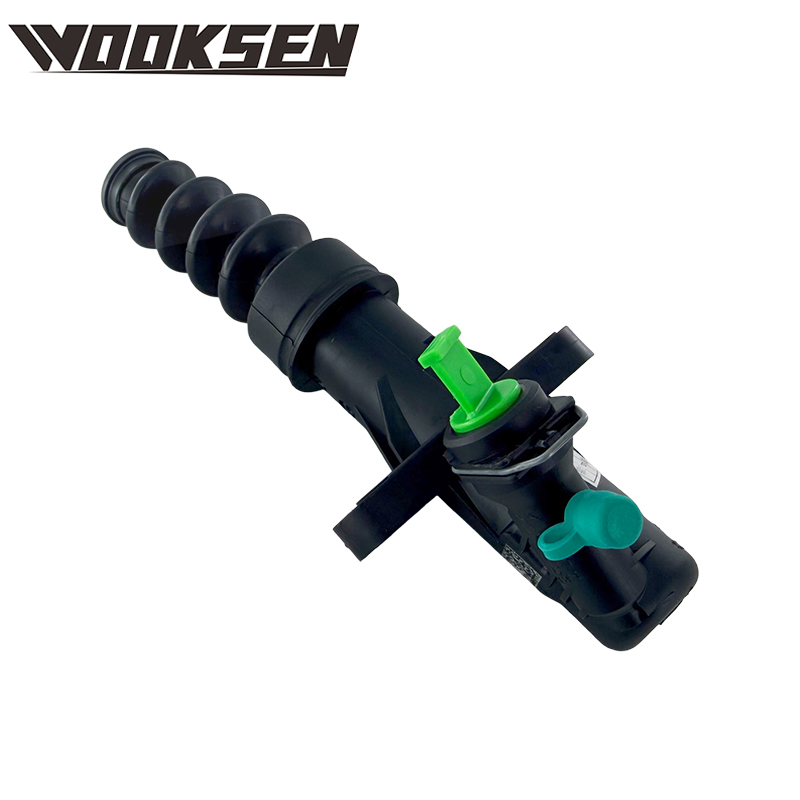
CRB-015
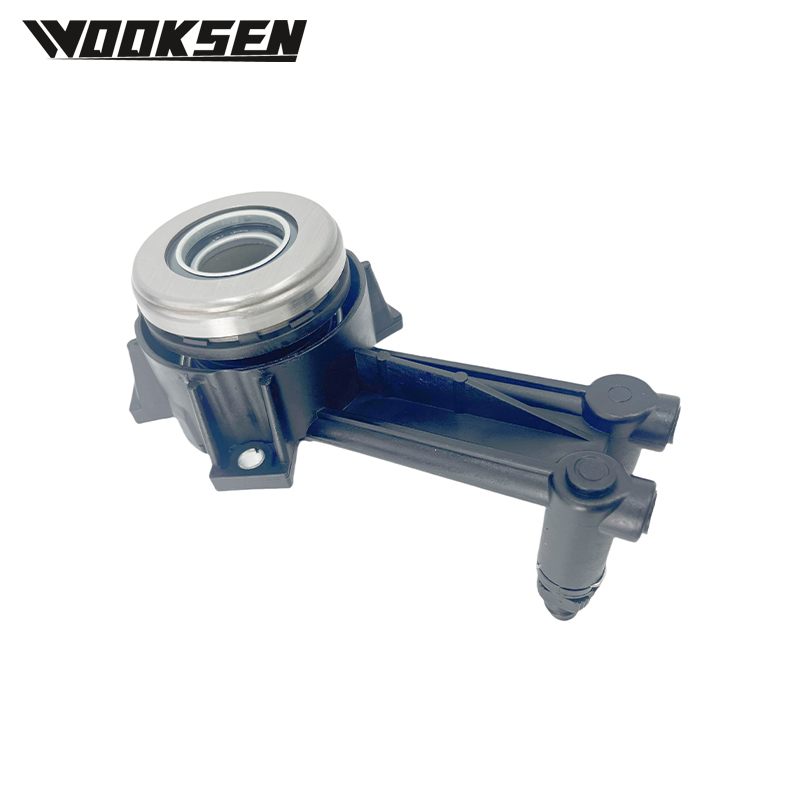
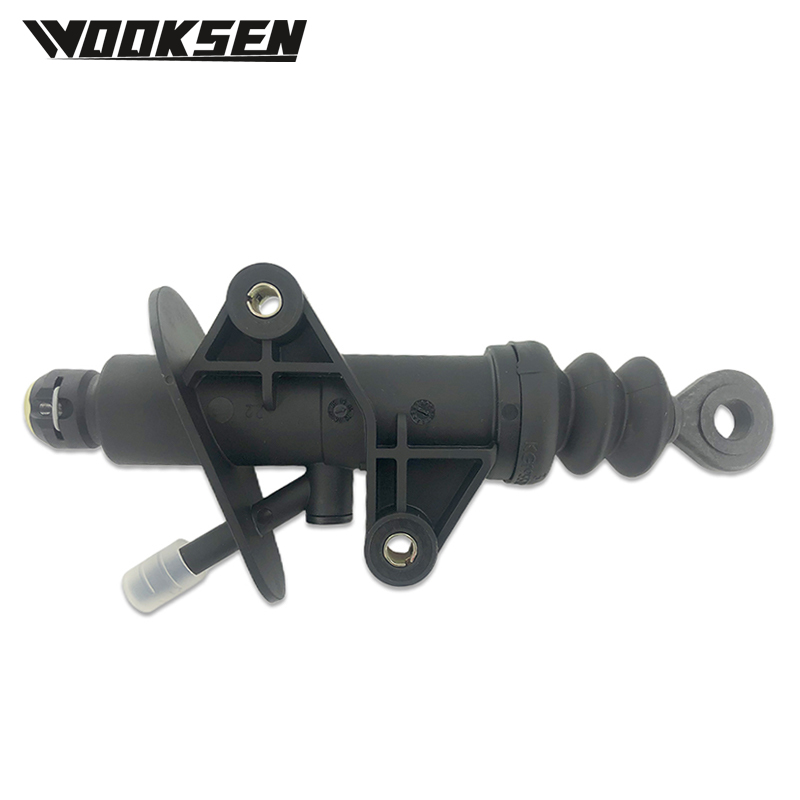
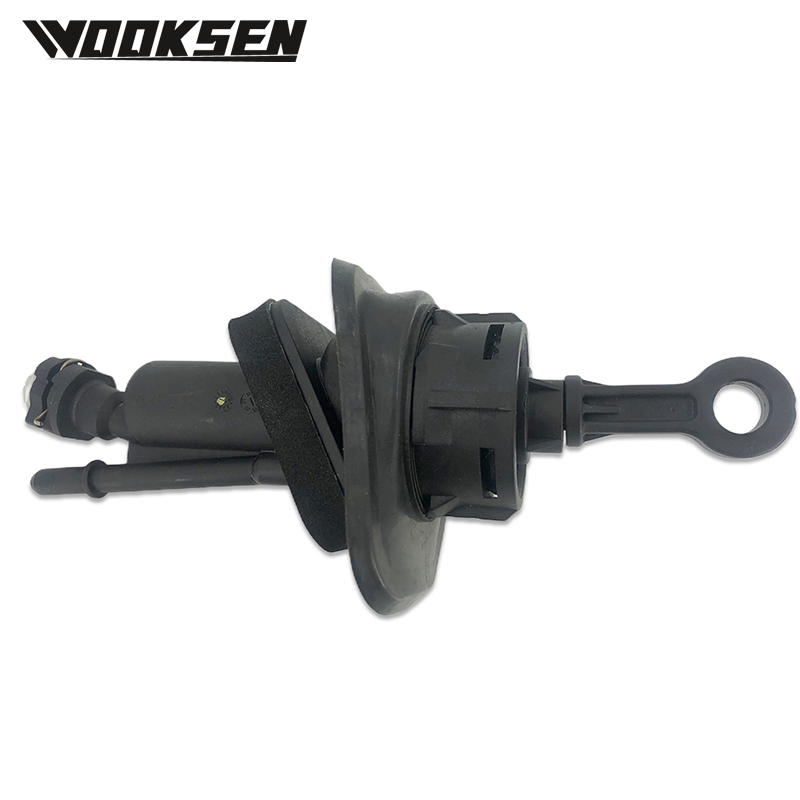
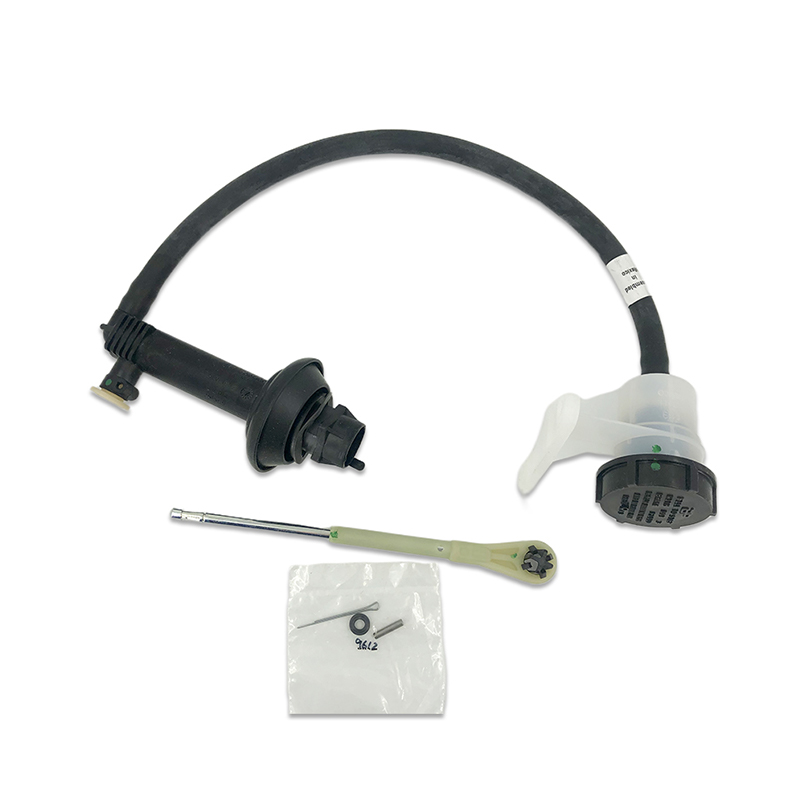
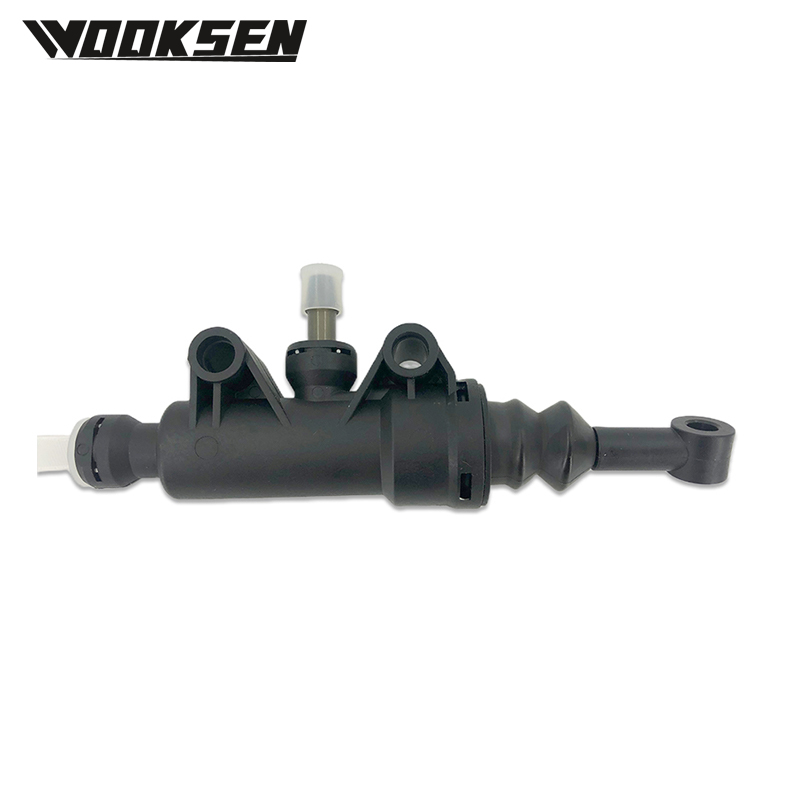
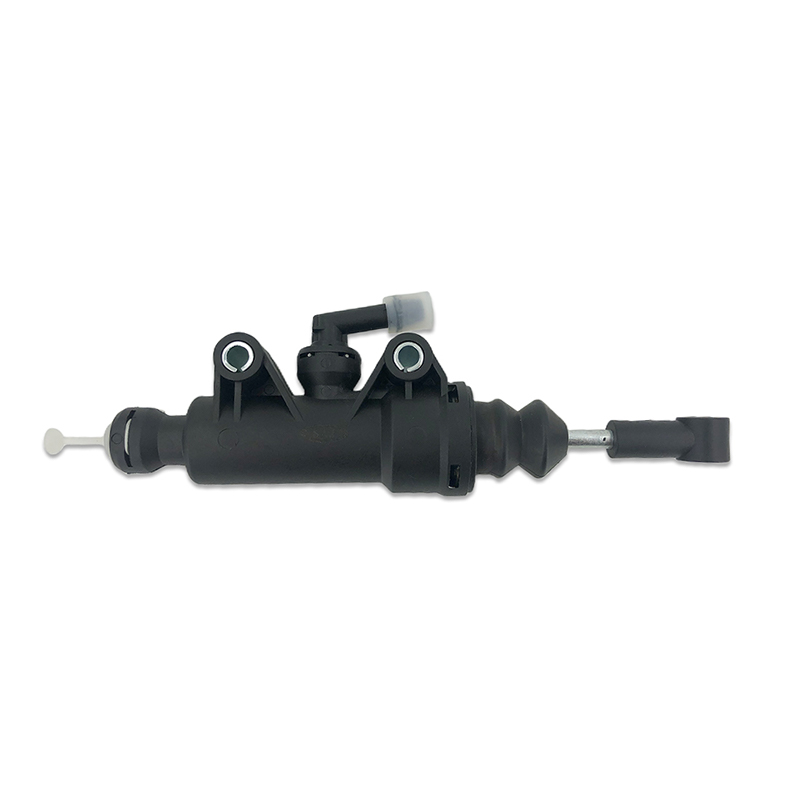
2S617A564AA Reinforced Frame Hydraulic Clutch Release Bearing combines the release bearing and the hydraulic slave cylinder into a single unit, replacing the older setup that relied on a separate clutch fork and bearing. When the driver presses the clutch pedal, hydraulic fluid pushes a piston inside the bearing housing, and that piston presses against the clutch diaphragm spring to separate the clutch plate from the flywheel.
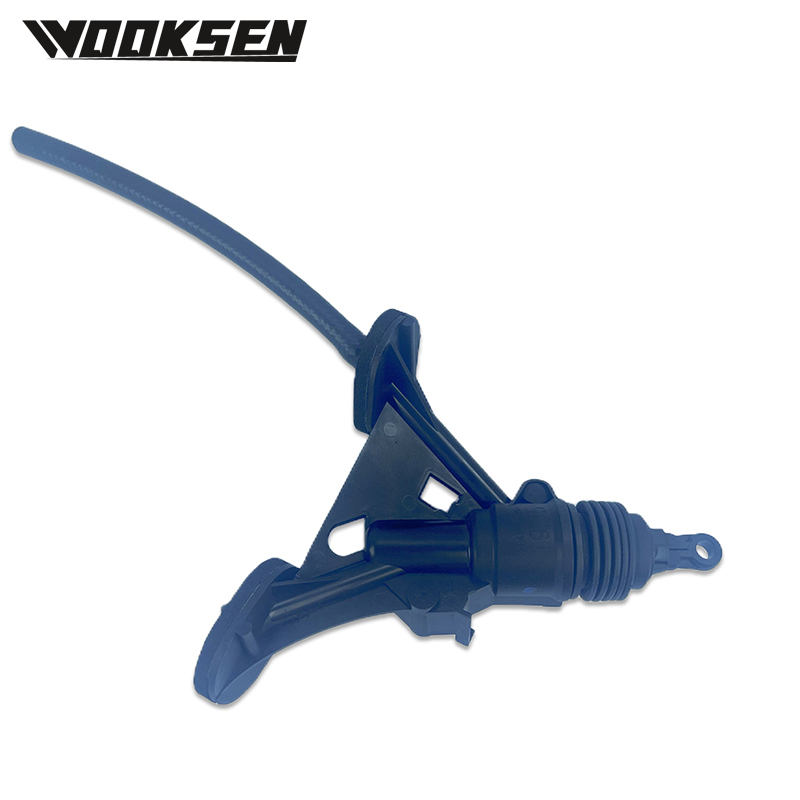
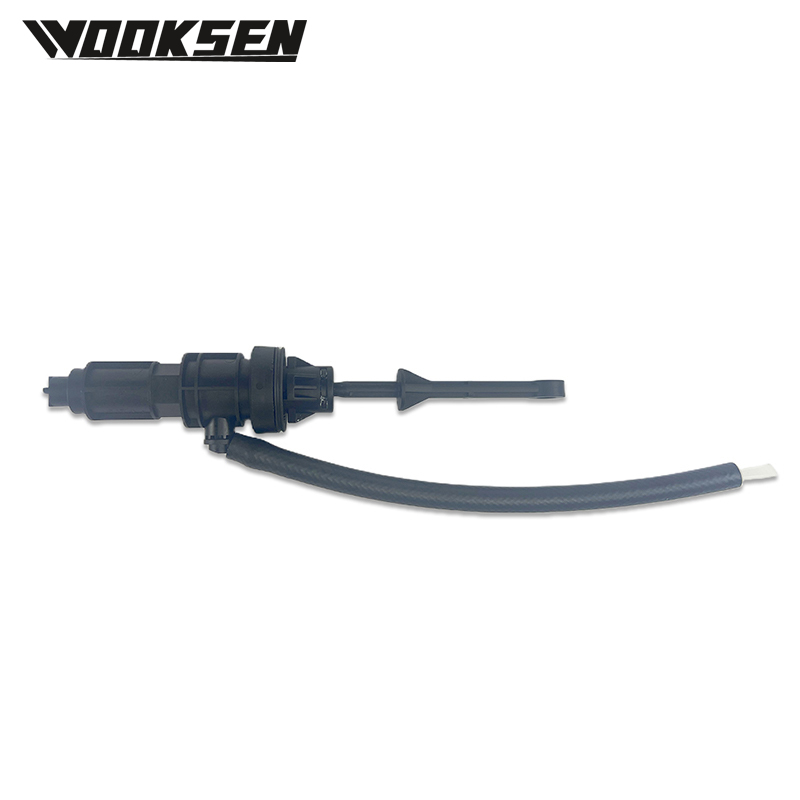
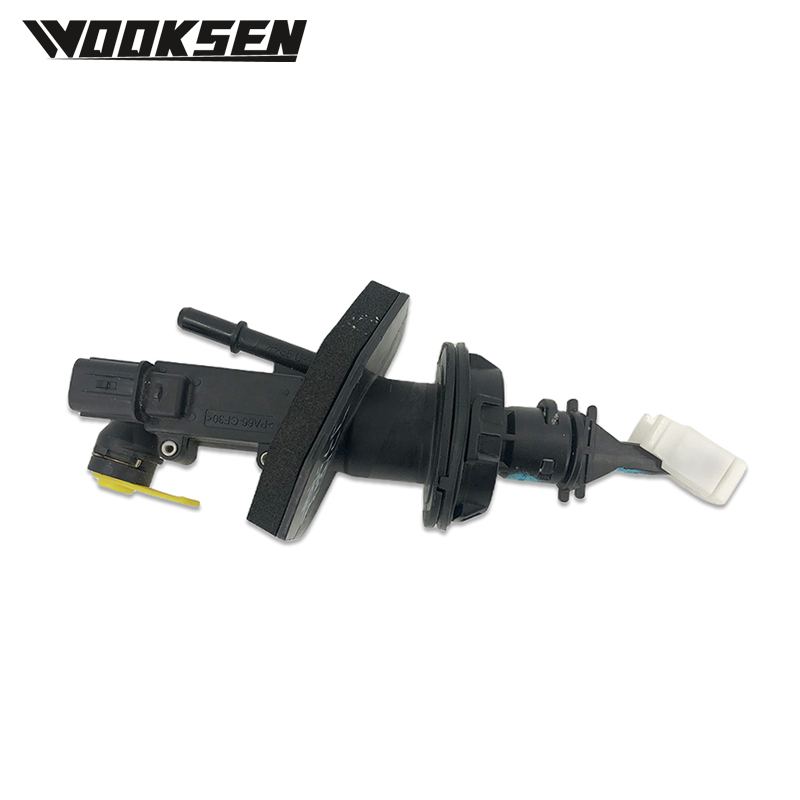
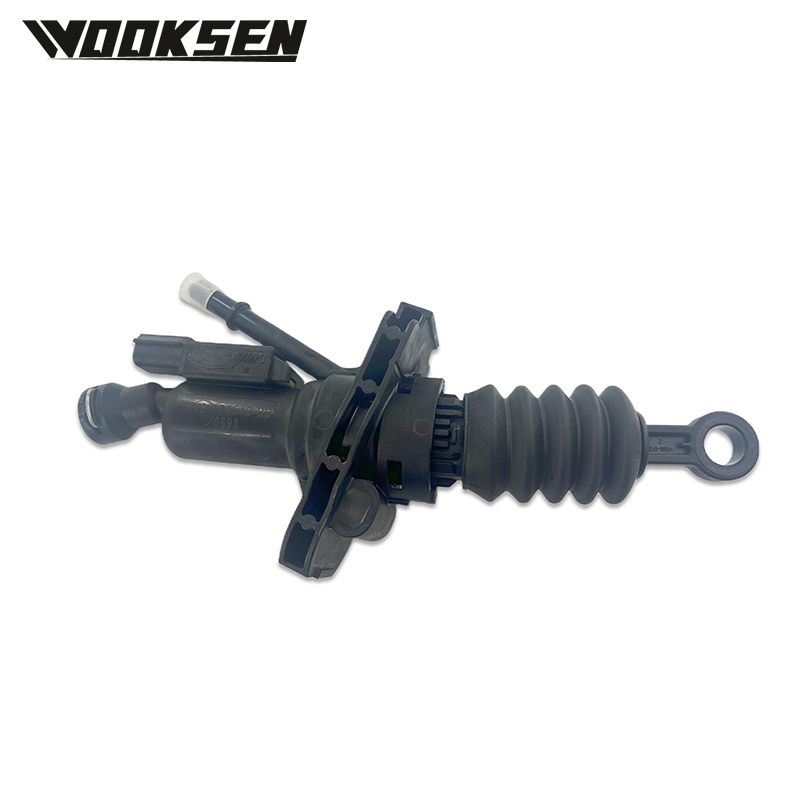
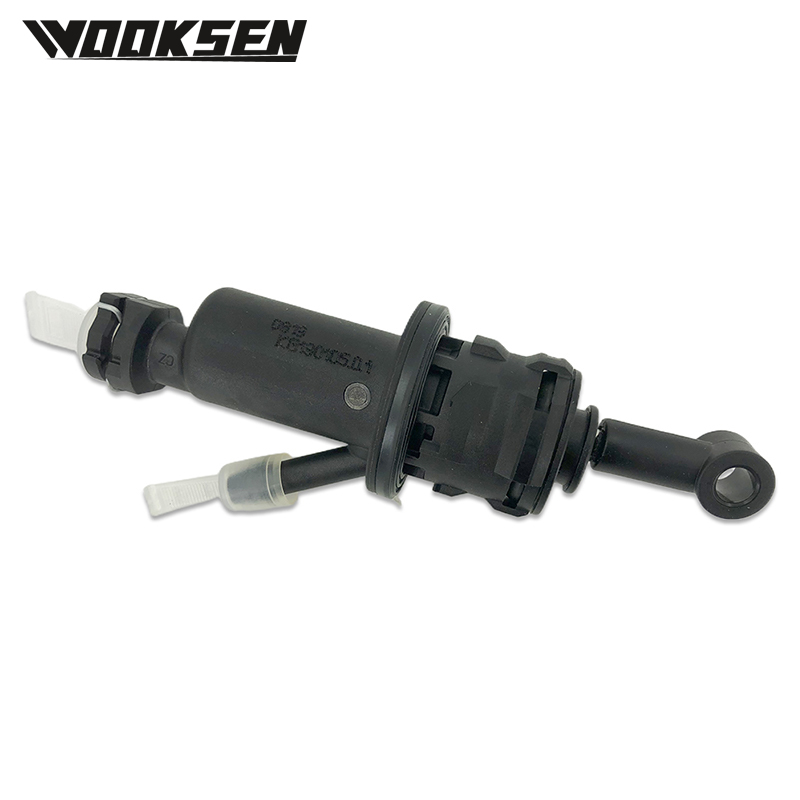
What makes this version different is the reinforced mounting frame and the dual-port design at the connection end. Looking at the structure, this part has a wider, thicker mounting base compared to standard release bearings, and it has two separate outlets — one for the hydraulic line connection and one bleeder port. This layout is built to handle the specific mounting geometry and hydraulic routing used across the Fiesta Mk5, KA Hatchback, Fusion Estate, and Mazda 2 platforms, all of which share this same clutch system design.
Core Function
1. Converts hydraulic pressure into push force to disengage the clutch when the pedal is pressed
2. Reinforced mounting frame provides a wider contact base for more stable installation and reduces flex under repeated clutch operation
3. Dual-port outlet design separates the hydraulic feed line from the bleeder connection, making air removal from the system more straightforward during installation
4. Rotates concentrically with the input shaft, keeping the bearing centered and reducing uneven wear over time
5. Protective coated housing helps resist corrosion from exposure to moisture, road dirt, and engine bay heat
Problems This Part Solves for Buyers
1. Frame cracking or flexing under load — some standard release bearings use a thinner mounting frame that can flex or crack over time; the reinforced frame on this part is built to handle repeated clutch engagement without losing structural stability
2. Confusing OE cross-references across shared platforms — since the Fiesta Mk5, KA, Fusion, and Mazda 2 all use variations of this same part, buyers often struggle to confirm the right match; having 20 cross-referenced OE numbers in one place removes that guesswork
3. Air trapped in the hydraulic line after installation — the dual-port design with a dedicated bleeder outlet makes it easier for technicians to bleed the system properly during installation, reducing comebacks from soft or spongy clutch pedal feel
4. Inconsistent quality from unverified suppliers — sourcing factory-direct with documented OE cross-references reduces the risk of leaks, poor sealing, or premature bearing failure after installation
5. Managing too many SKUs for cross-platform vehicles — because this single part number covers five different models, buyers can reduce the number of SKUs they need to stock for these related platforms

 English
 русский
 Español
 عربى
عربى