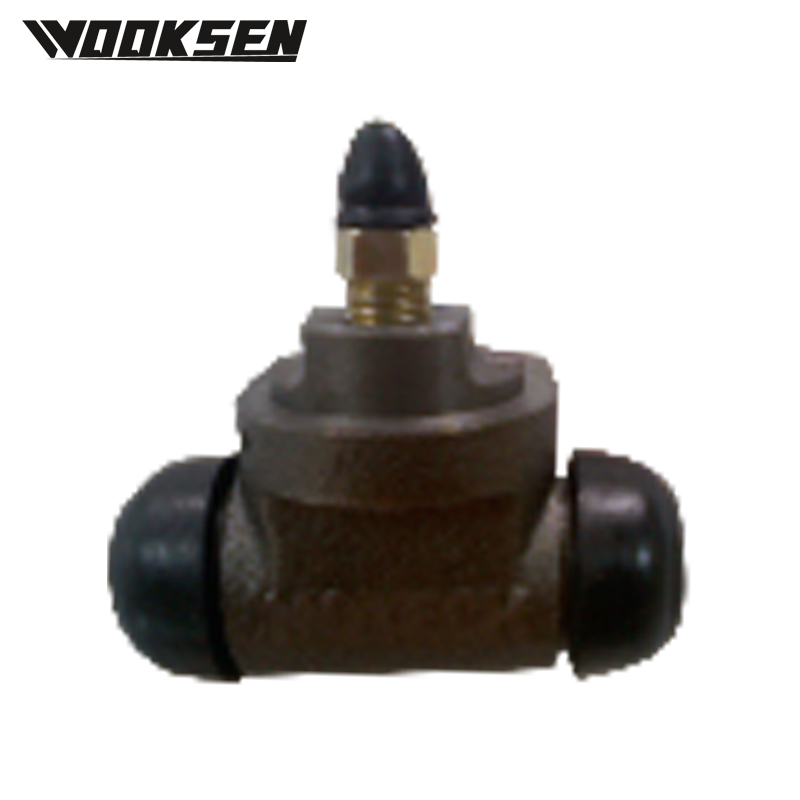
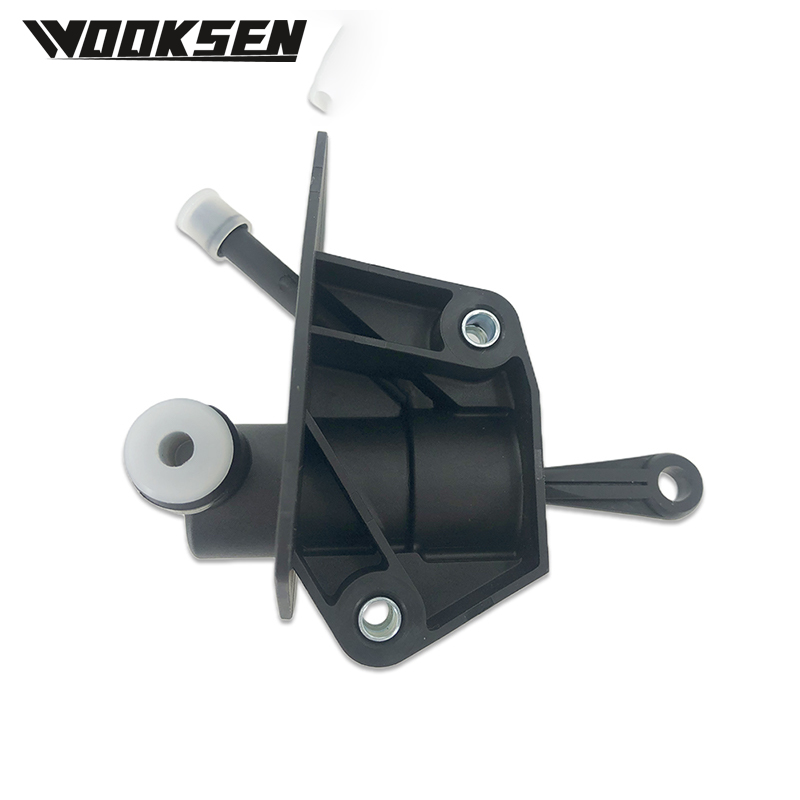
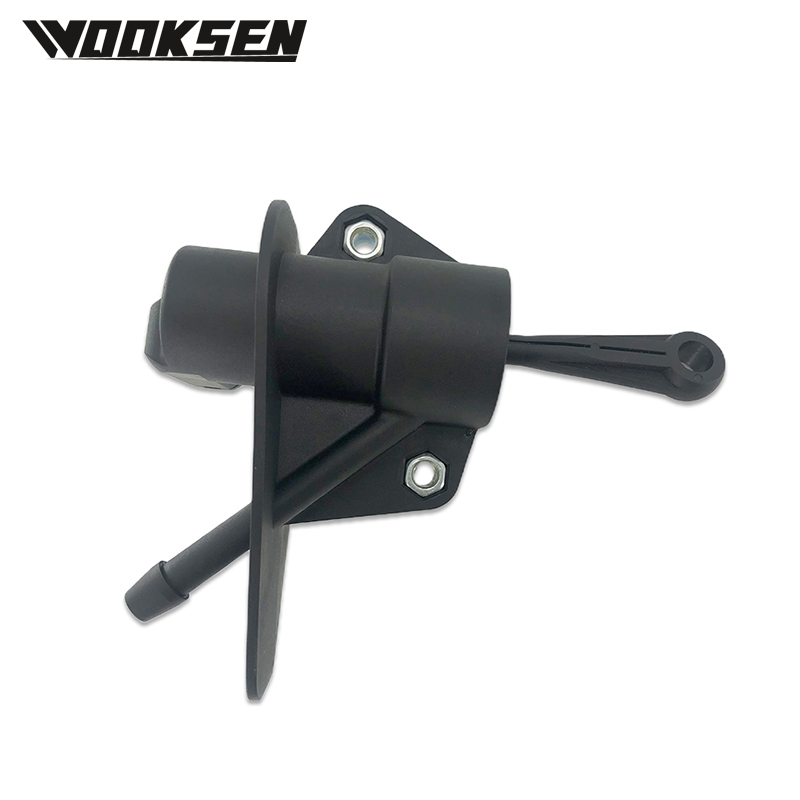
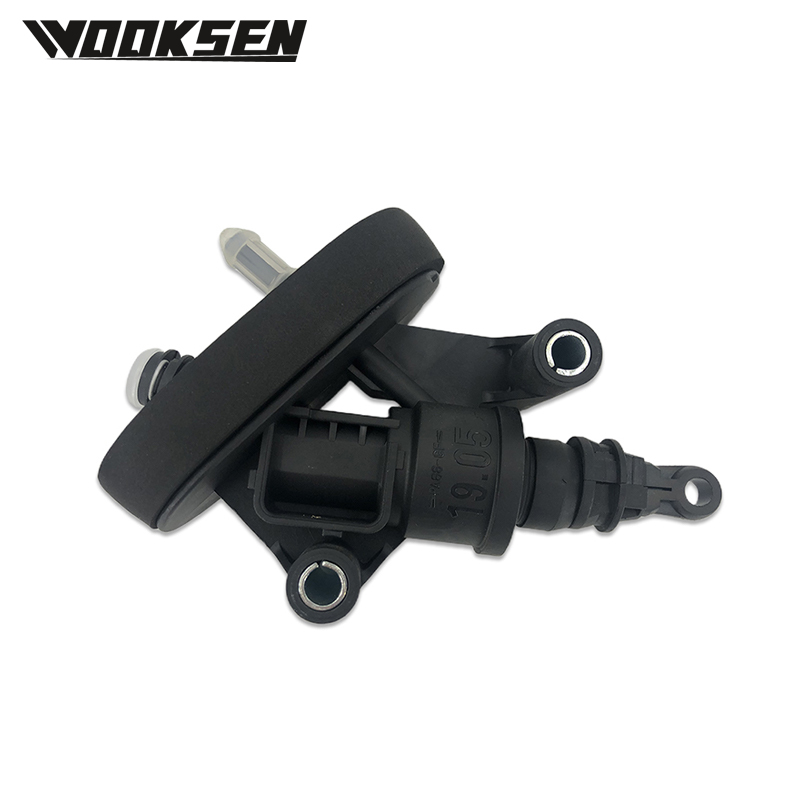
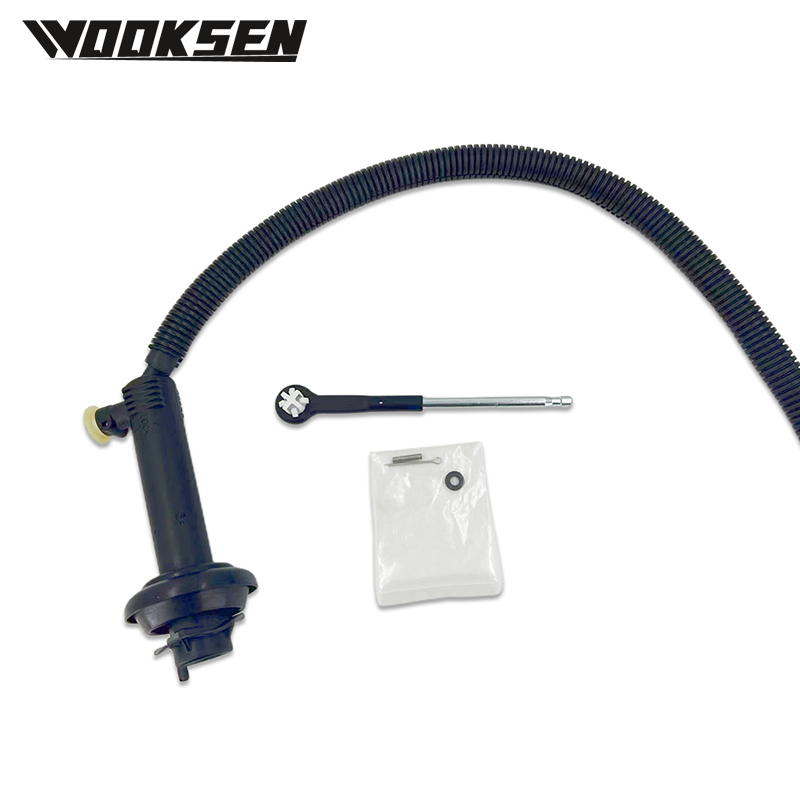
The 823971 Brake Wheel Cylinder with Rubber-Capped Bleeder is a hydraulic component used in a drum brake system. In simple terms, it is the small cylinder that receives hydraulic pressure from the brake system and uses that pressure to push the brake shoes outward against the drum. This helps convert brake fluid pressure into the mechanical movement needed for braking.
Because wheel-cylinder dimensions and applications can vary between suppliers, buyers should confirm the OE number, vehicle application, bore size, mounting dimensions, and connection details before placing a bulk order.
Core Function
The main job of the 823971 Brake Wheel Cylinder is to convert hydraulic pressure into movement inside a drum brake assembly.
When the brake pedal is pressed, hydraulic pressure travels through the brake line. The wheel cylinder receives this pressure and moves its internal pistons outward. These pistons act on the brake shoes, allowing the shoes to contact the brake drum and produce braking force.
The bleeder fitting provides a point for removing trapped air from the hydraulic circuit during brake-system servicing. The rubber cap shown in the product image covers the bleeder area and adds a simple layer of protection.
For wholesalers and distributors, this functional design makes the part relevant to replacement brake-component supply programs rather than general mechanical applications.
Procurement Reasons
For automotive aftermarket buyers, one reason to source the 823971 Brake Wheel Cylinder is the need to build a clear replacement-part range around recognized reference numbers. A defined part number makes product catalog management easier and helps distributors connect the component to their internal product records.
Application matching is another important consideration. Public aftermarket listings connect 823971 with Proton applications, including Proton Saga and Proton Savvy, although exact model years and configurations should be checked against the supplier's application data before ordering.
For wholesale purchasing, buyers may also need consistent product identification, packaging requirements, labeling, carton quantities, and documentation for their own distribution channels. These details can be discussed before production or shipment.
For private-label programs, OEM and ODM cooperation may also be available depending on the manufacturer's production capability. Buyers can provide OE references, technical drawings, samples, packaging requirements, or target-market specifications for confirmation. The actual customization scope, MOQ, packaging method, and lead time should be confirmed directly with the supplier.

 English
 русский
 Español
 عربى
عربى