 English
 русский
 Español
 عربى
عربى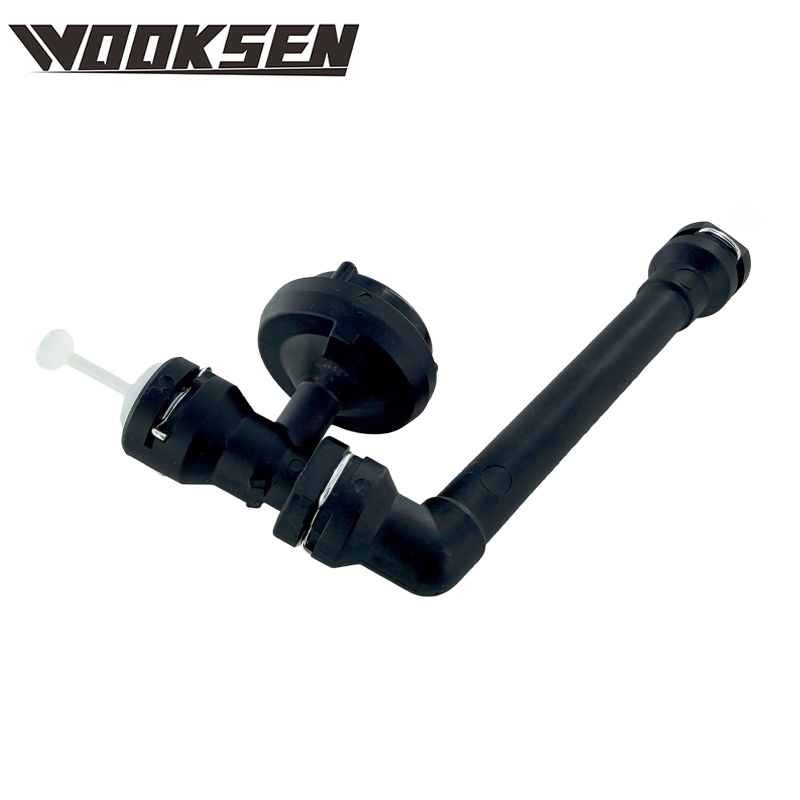
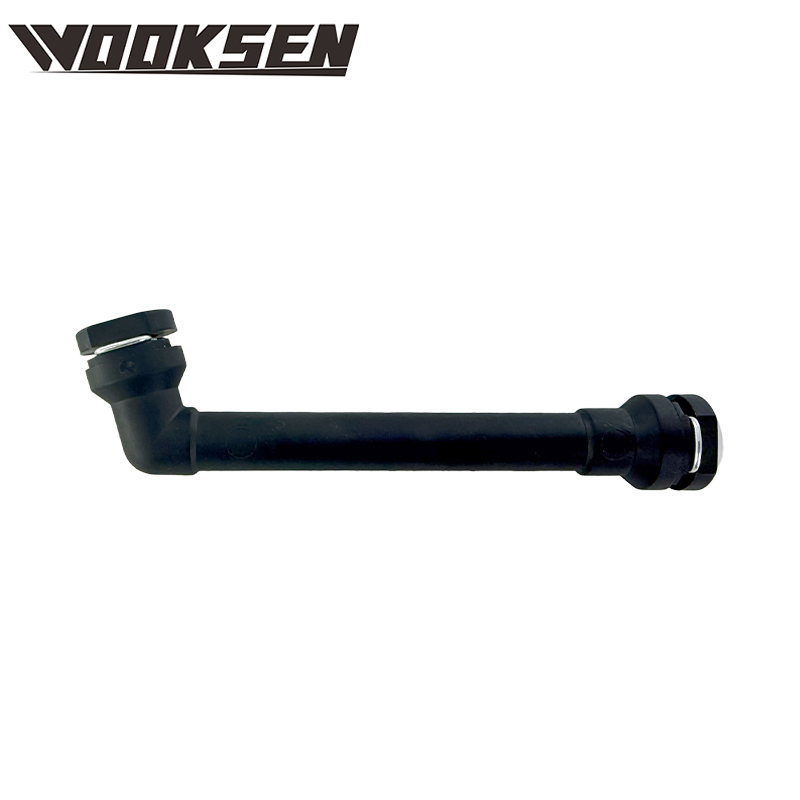
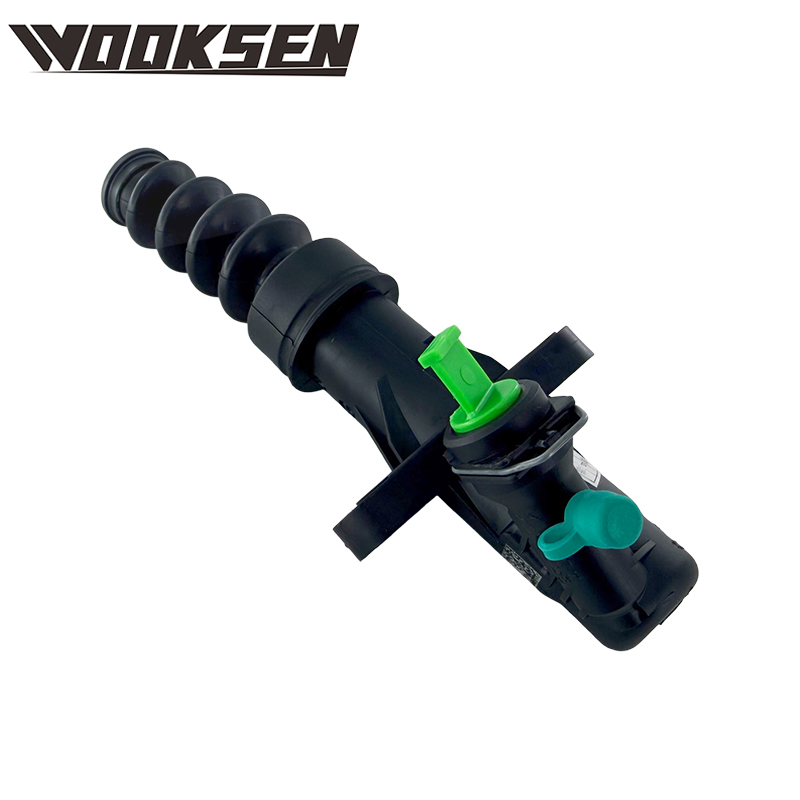
When a driver of a manual transmission presses the clutch pedal, the force of their foot alone is insufficient to directly disengage the clutch—a hydraulic system is needed to transmit this action. The clutch master cylinder is the "pump" of this hydraulic system. When the pedal is pressed, it pressurizes and pushes hydraulic oil out, sending a signal to the slave cylinder, which then pushes the clutch to disengage, allowing the driver to shift gears smoothly.
Home / Products / Clutch Master Cylinders / Clutch Master Cylinder for Mercedes-Benz W124/W201/W210/SLK
-
The master cylinder contains rubber seals and a piston. With prolonged use, the seals age and the cylinder walls wear, leading to internal or external leakage. This manifests as: a softer clutch pedal feel, slow pedal return, and a jerky shifting motion; in severe cases, even with the pedal fully depressed, it may be impossible to engage a gear. For commercial or frequently used vehicles, this is a high-frequency consumable part with consistently stable market demand.
Covered Models: A Comprehensive Compatibility with Mercedes-Benz's 30-Year Classic Platform
The core value of this master cylinder lies in its compatibility with multiple Mercedes-Benz platforms across different eras, with a single part number system covering 21 models:
W124 Platform (Predecessor to the classic E-Class, 1984–1997)
The W124 is one of the most durable platforms in Mercedes-Benz history and is still widely used in many markets today. This product line covers the entire W124 lineup: W124 Saloon, C124 Coupe, S124 Estate, A124 Convertible, and later models renamed E-Class: E-Class Saloon (W124), E-Class T-Modell (S124), E-Class Coupe (C124), and E-Class Convertible (A124). It also includes the VF210 chassis/platform version. The W124 series has a large presence in the Middle East, Eastern Europe, Africa, and Southeast Asia, making it one of the most active Mercedes-Benz platforms in the aftermarket.
W126 S-Class (1979–1991) The Mercedes-Benz flagship S-Class, built on the W126 platform, had a production cycle exceeding 12 years and a cumulative production of over 890,000 units, making it one of the most produced S-Class models in Mercedes-Benz history. Despite its age, the platform's robust construction and proper maintenance mean it remains widely used in many countries, creating a genuine market demand for clutch system parts. W201 (190 series, 1982–1993) Commonly known as the "mini-Mercedes," this model marked a milestone for Mercedes-Benz as it expanded into the mid-size car market, with a global production of approximately 1.89 million units. It enjoys extremely high popularity in the used car markets of Europe, Africa, and South America, and is one of the models with the highest consumption of aftermarket parts among economy Mercedes-Benz models.
W202 / S202 (C-Class, 1993–2000) The C-Class W202 platform (including the S202 wagon) was Mercedes-Benz's most consistently selling model after the 1990s, with a large global presence and consistently active maintenance demand in markets such as Germany, Poland, Russia, and Turkey.
W210 / S210 (E-Class, 1995–2003) The E-Class W210 was one of Mercedes-Benz's most produced E-Class models. Its manual transmission version primarily went to Eastern Europe and emerging markets, resulting in relatively concentrated demand for clutch system replacements and a long aftermarket service cycle.
R129 (SL Convertible, 1989–2001) A classic SL series, with a global cumulative production exceeding 200,000 units, boasting a stable group of collectors who demand high-quality parts but are also price-sensitive.W140 (S-Class, 1991–1998) The Mercedes-Benz W140 represents the pinnacle of engineering achievement during its era. While its sheer size and number of units in circulation are less than the W124, its superior overall quality and high survival rate ensure a continuous demand for aftermarket parts.
W202 / R170 / C208 / A208 / W163 (C-Class, SLK, CLK, ML, late 1990s–early 2000s)
Including C-Class Saloon (W202), C-Class T-Model (S202), SLK R170, CLK Coupe (C208), CLK Convertible (A208), and ML-Class (W163)—these models were all produced during Mercedes-Benz's rapid expansion in the late 1990s, resulting in a large global fleet and representing one of the most active periods for the aftermarket parts market.
What practical problems does this product solve for buyers?
Mercedes-Benz genuine parts have always been expensive. For dealers, selling Mercedes-Benz repair parts to repair shops or car owners with only genuine parts as an option results in extremely narrow profit margins—because end users can directly compare prices, dealers have almost no pricing power. However, if dealers can obtain replacement parts that are of stable quality and perfectly match the OE specifications, they can have pricing power while maintaining sufficient profit margins.
For buyers looking to launch their own brands, this Mercedes-Benz product line is a crucial category for penetrating the European luxury car aftermarket. Buyers can brand their products, set their own price range, and supply directly to repair shops or regional retailers. They don't need to build their own production lines or stockpile large quantities of samples for testing—the OE numbers are precisely matched, resulting in low assembly and verification costs.
For bulk distributors covering multiple national markets, the biggest advantage of this product is its high SKU concentration. The nine OE numbers correspond to the same set of physical parts, covering 21 manual transmission Mercedes-Benz models from the 1980s to the early 2000s. A single inventory entry can meet the repair needs of multiple models, significantly reducing inventory management pressure compared to purchasing multiple models separately.
Incorrect selection is the most common procurement risk for these older Mercedes-Benz parts. Because many Mercedes-Benz models from this period share parts, but there are also local differences, buyers who rely solely on model names are prone to obtaining unsuitable specifications. We provide clear OE cross-references and vehicle model comparison tables, and conduct specification verification before shipment to reduce return and exchange costs upon arrival.
Who Should Contact Us?
This product is aimed at the following buyer groups: auto parts wholesalers (especially those specializing in European cars), regional distributors in the Middle East/Eastern Europe/Africa/Southeast Asia markets, private label operators building or expanding their Mercedes-Benz aftermarket product lines, and MRO purchasers with stable supply needs.
If you are an individual car owner needing to purchase single repair parts, this product is not suitable for direct purchase through us. We do not accept small, scattered orders, nor do we supply to individual consumers (C-end) channels. -
Q: With so many OE numbers (nine in total), how do I know which one corresponds to the vehicle model I need?
A: These nine numbers (2022900112, A2022900112, 0012956806, A0012956806, 0012951006, A0012951006, 0012953106, A0012953106, 5098009AA) represent the same part's numbering system under different periods and release sources. The presence or absence of the "A" prefix is due to internal Mercedes-Benz numbering rule adjustments; the physical specifications are the same. 5098009AA is a cross-reference number under the Mopar system. When selecting a model, provide your VIN or vehicle model + production year, and we will help you confirm the final applicable number.
Q: W124-type vehicles have been discontinued for thirty years. How much demand is there in the market?
A: The W124 is recognized in the auto parts industry as a "long-lived platform." With a global production exceeding 2.7 million units in the 1980s and 1990s, W124 vehicles were largely exported to the Middle East, Africa, and Eastern Europe, and remain a mainstream used work vehicle in many regions. The less economically developed the region, the longer the vehicle's lifespan, and the more stable the demand for aftermarket parts. Dealers in the Middle East or Africa know that W124 parts orders have never stopped.
Q: What is the difference between this part and other Mercedes-Benz products of the same period (such as A0022950406)?
A: The two are master cylinder models for different platforms. A0022950406 and similar numbers correspond to newer Mercedes-Benz platforms (such as the W220 S-Class), with different inner diameters, mounting dimensions, and interface specifications; they are not interchangeable. This product (A2022900112 series) is specifically for W124/W126/W140/W201/W202/W210 and contemporary sports car platforms. The two sets of products are not interchangeable; please verify the vehicle model before purchasing.
Q: How do you ensure the assembly consistency of your products with genuine OE parts?
A: We develop our products based on Mercedes-Benz's original OE parts. Key dimensions (inner diameter, mounting hole positions, hydraulic interface threads, and seal dimensions) are all executed according to OE drawing tolerances, without relying on reverse engineering. Airtightness and hydraulic function tests are performed before shipment to ensure immediate use without the need for modifications. -
Related Products
-
Hydraulic Fittings Clutch Master Cylinder for Puma 96FB7A543AF
Cat:Clutch Master Cylinders
Imagine driving a manual transmission car: that "perfectly balanced" resistance you feel underfoot whenever you press the clutch pedal is actually the...
See Details -
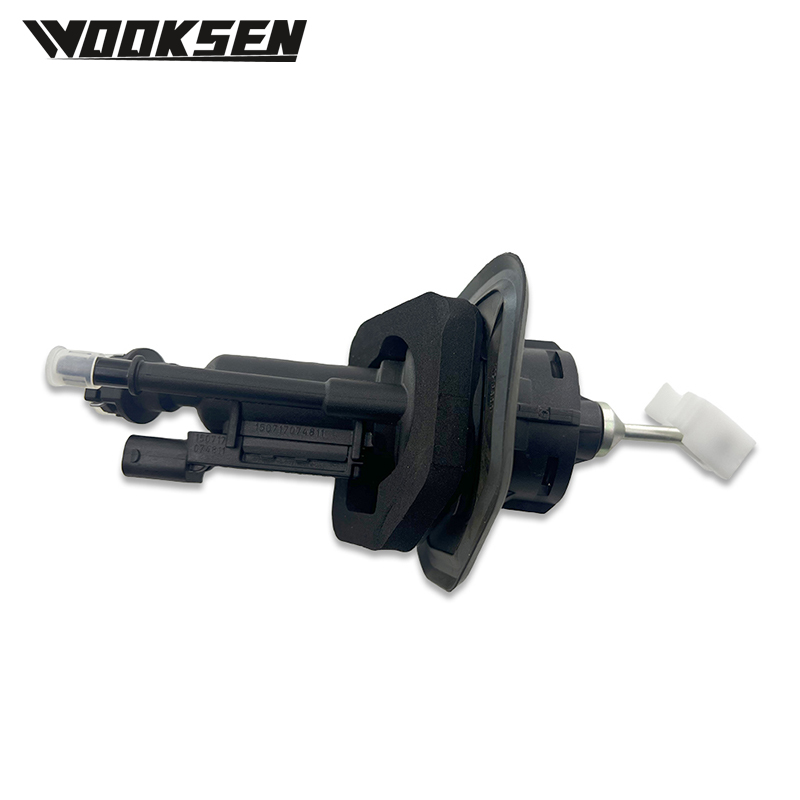
Integrated Clutch Master Cylinder for Focus Mk3 31325386
Cat:Clutch Master Cylinders
The 31325386 is not a standard clutch master cylinder. The key difference is in the word "integrated" — this unit combines the clutch master cylinder ...
See Details -
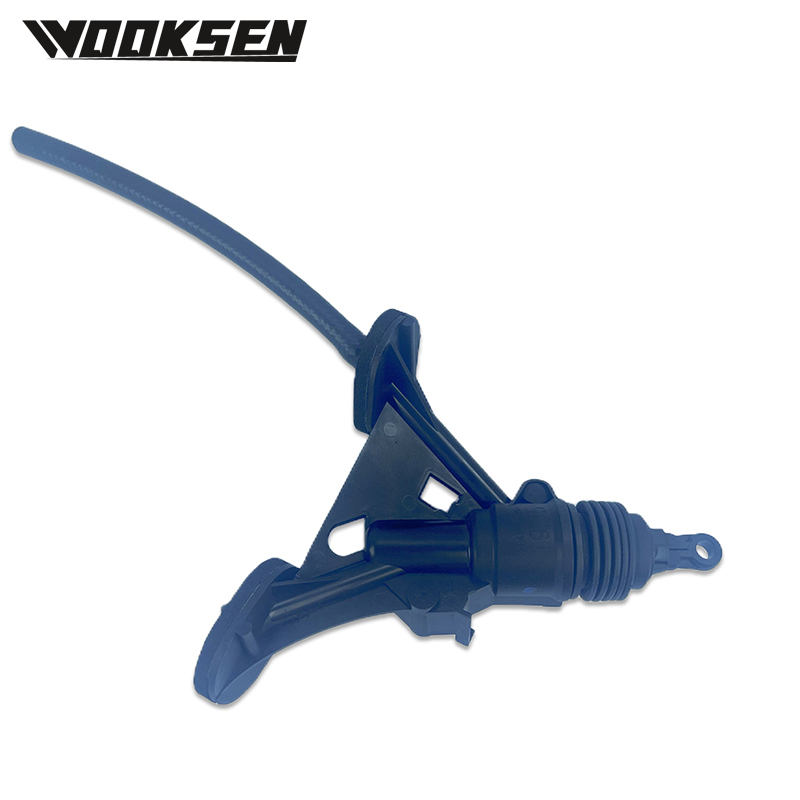
Clutch Master Cylinder with Dust protection for Transit Mk6 1528691
Cat:Clutch Master Cylinders
OE number 1528691 is a high-quality clutch master cylinder specifically engineered for the Ford Transit Mk6. Featuring built-in dust protection with a...
See Details -
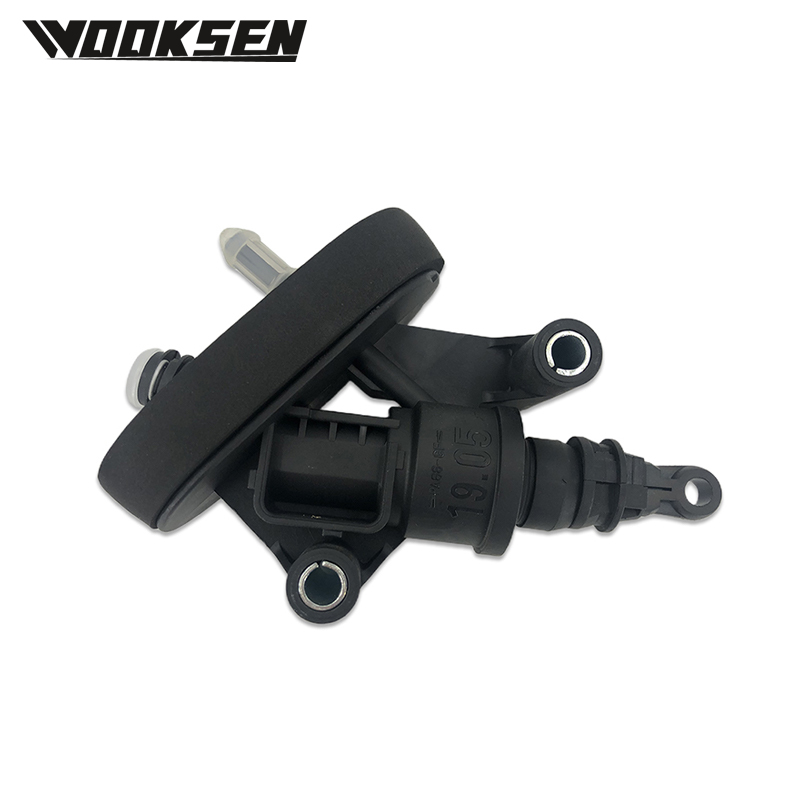
Short Barrel Clutch Master Cylinder for B-Max 1751682
Cat:Clutch Master Cylinders
A clutch master cylinder is the hydraulic component that converts the driver's foot pressure on the clutch pedal into fluid pressure, which then activ...
See Details -
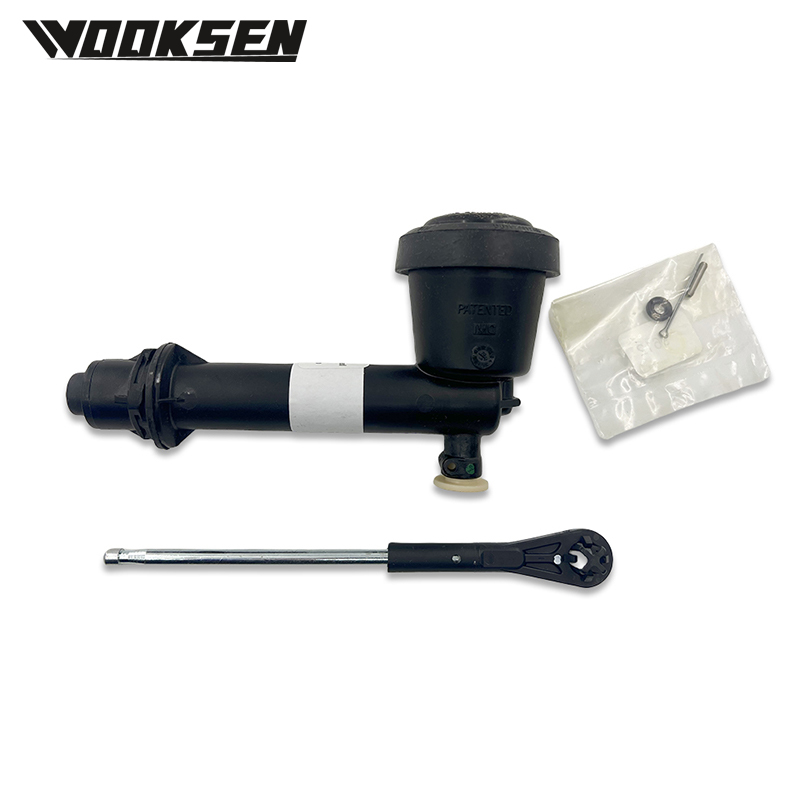
For GMC Clutch Master Cylinder with Reservoir 12385321
Cat:Clutch Master Cylinders
The integrated reservoir on this unit holds the hydraulic fluid supply directly on the cylinder body — no separate remote reservoir, no extra hose con...
See Details -
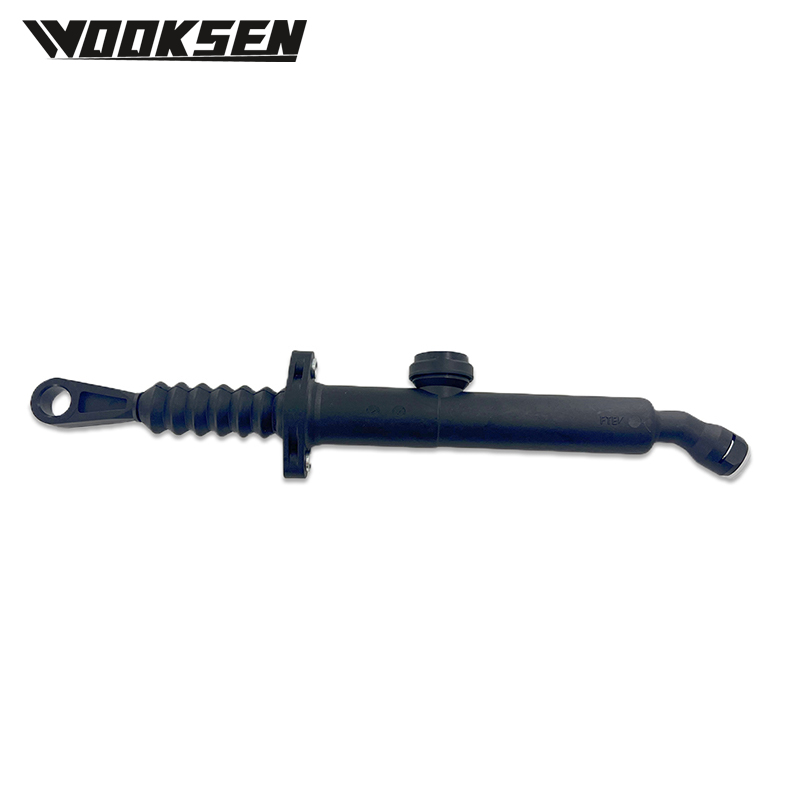
Stable Return Clutch Master Cylinder for MERCEDES-BENZ 0022950806
Cat:Clutch Master Cylinders
This clutch master cylinder is a core hydraulic component specifically developed for Mercedes-Benz heavy-duty commercial vehicles. Acting as the "hear...
See Details -
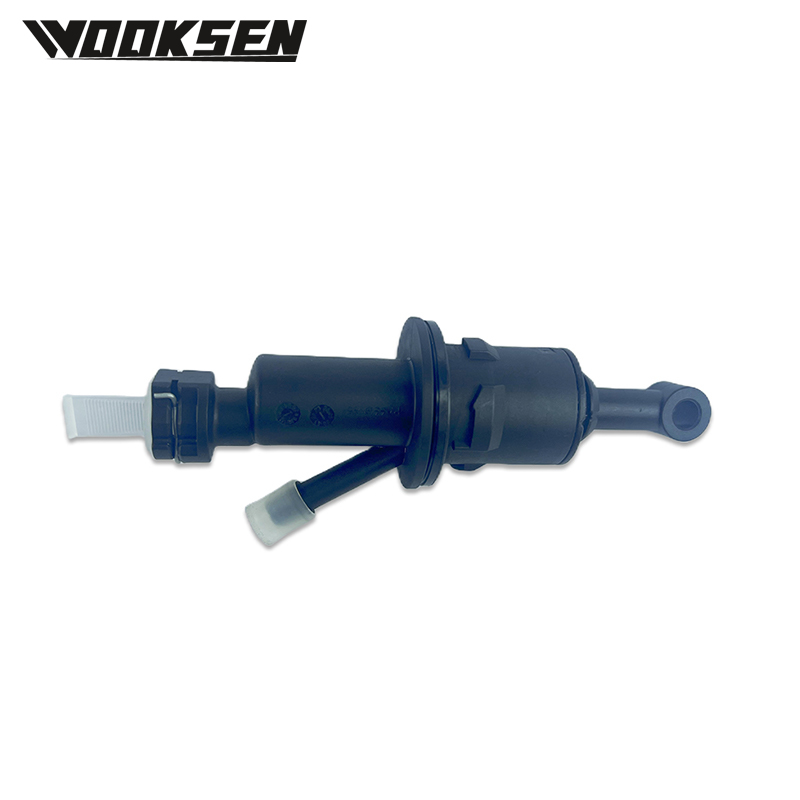
Low Noise Clutch Master Cylinder for MERCEDES-BENZ A1692900312
Cat:Clutch Master Cylinders
This is a low-noise clutch master cylinder designed as a direct replacement for specific Mercedes-Benz compact models. In simple terms, it is the hydr...
See Details -
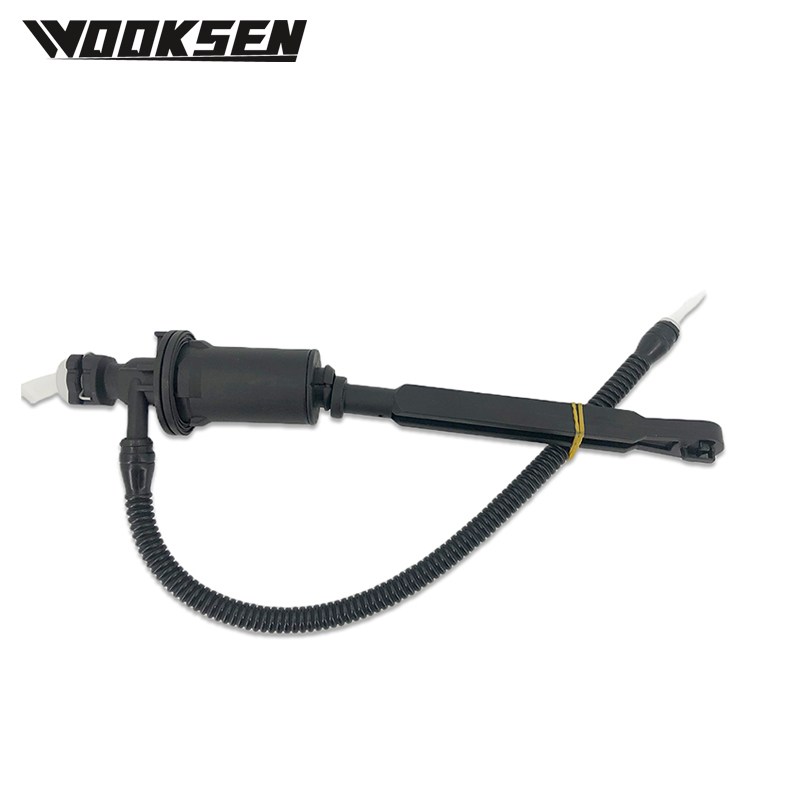
Clutch Master Cylinder With Reduced Connecting Piping for RENAULT Trafic II 4416885
Cat:Clutch Master Cylinders
This product is a clutch master cylinder designed specifically for commercial vehicles such as the Renault Trafic II, Opel Vivaro A, and Nissan Primas...
See Details -
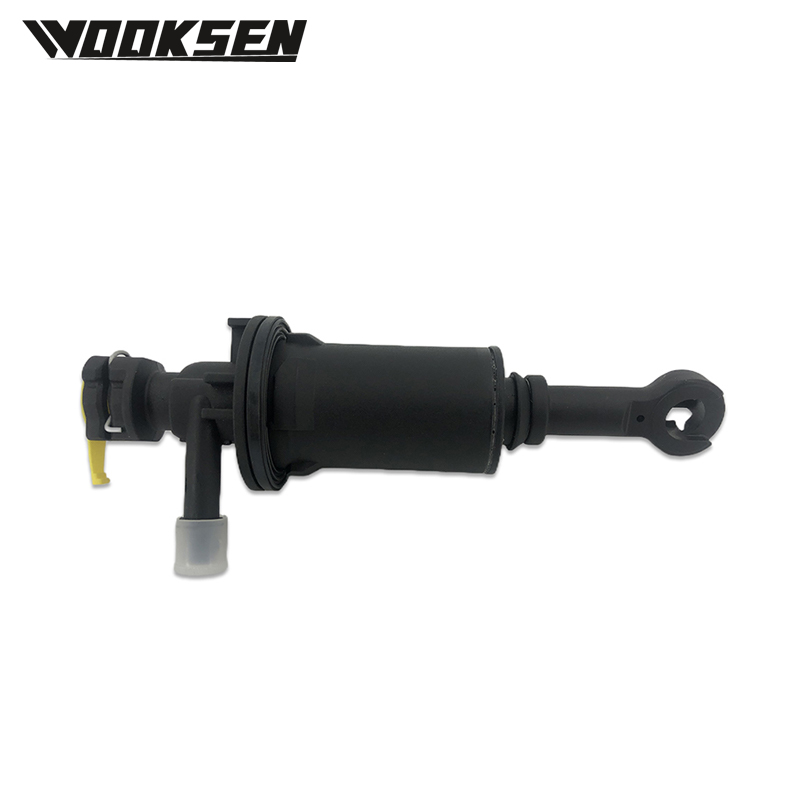
Clutch Master Cylinder with High-Temperature for Resistance NISSAN Primastar 4408427
Cat:Clutch Master Cylinders
In manual transmission vehicles, the clutch master cylinder serves as the hydraulic starting point for the entire clutch system. Located beneath the p...
See Details -

Hydraulic Output Clutch Master Cylinder for RENAULT 306101808R
Cat:Clutch Master Cylinders
The clutch master cylinder serves as the hydraulic starting point of the manual transmission clutch system and is mounted beneath the pedal assembly i...
See Details
XUSEN IS A PROFESSIONAL CLUTCH PUMP AND BRAKE PUMP MANUFACTURER.
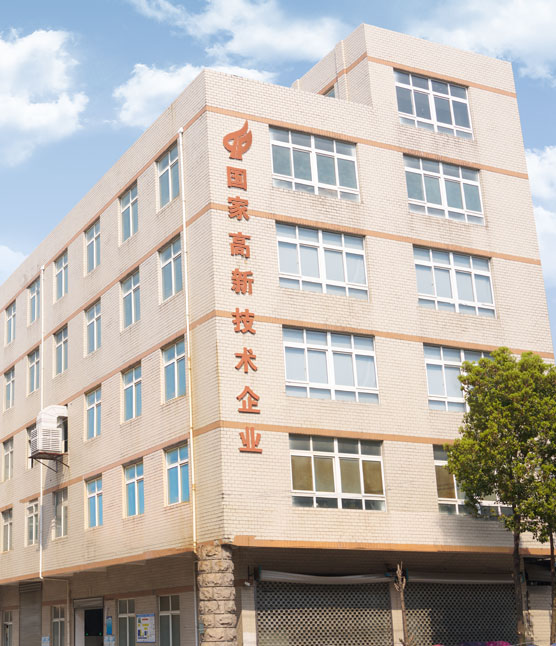
Wenzhou Xusen Auto Parts Co., Ltd. is one of the leading companies in the automobile industry with wide product varieties and a high production capacity. We specialize in manufacturing OEM quality clutch master cylinders, clutch slave cylinders, hydraulic brake master cylinders, brake wheel cylinders, and hydraulic clutch release bearings.
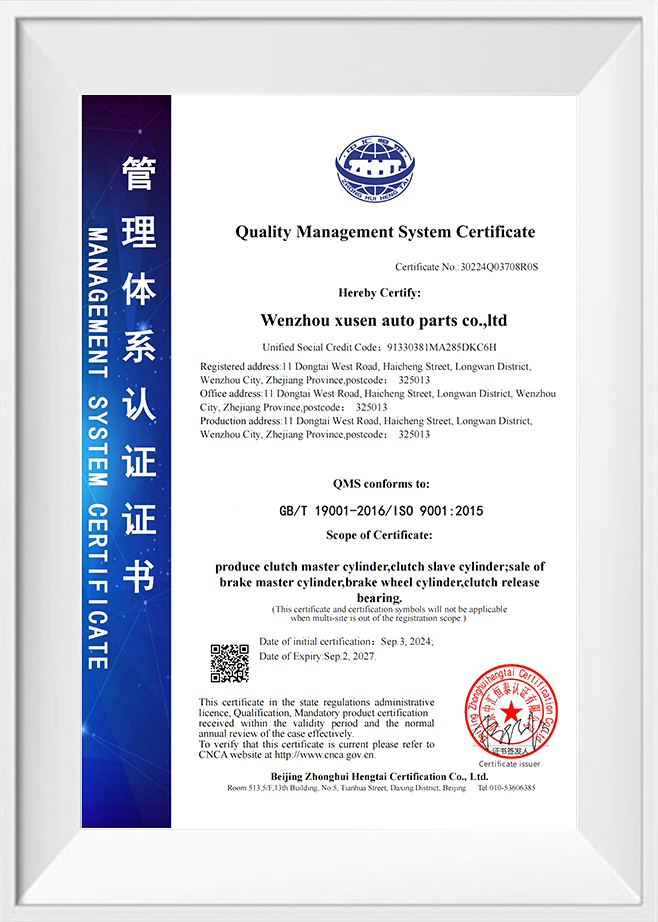
We pride ourselves in the quality of our products and to this end, all of the products we provide, to our customers are accredited to ISO9001-2000, VDA6, and TS16949 Quality Management System requirements. We focus on the concept of "Lowest price with the best quality from a local operation to global satisfaction", serving the interests of our clients.
Our parts are applicable for Volkswagen, Toyota, Nissan, Mitsubishi, Peugeot, Renault, Daewoo, GM, Ford, Benz, BMW, and other Japanese, European, and American vehicles, etc. All of them are mainly exported to Europe, America, the Middle East, Asia, Africa, and other regions in the world. Be a professional supplier & exporter of China automobile parts. Local Production, Global Satisfaction!
CERTIFICATE OF HONOR


NEWS CENTER
-
Understanding the Role of the 46100-SDB-A01 Brake Pump in Everyday Driving Drivers of certain mid-20...
-
Understanding the Role of a Clutch Slave Cylinder Changing gears involves more than moving a gear le...
-
The C2S14144 Clutch assembly plays a clear role in connecting and disconnecting power flow between a...
-
Part numbers rarely tell a story on their own — they just sit there in a catalog, waiting for someon...
-
In automotive aftermarket catalogs, a part number often provides a faster way to identify a componen...

From clutches to brakes, we ensure the safety and performance of every vehicle.
© Wenzhou Xusen Auto Parts Co., Ltd.
Car Clutch And Brake Assembly Suppliers
