 English
 русский
 Español
 عربى
عربى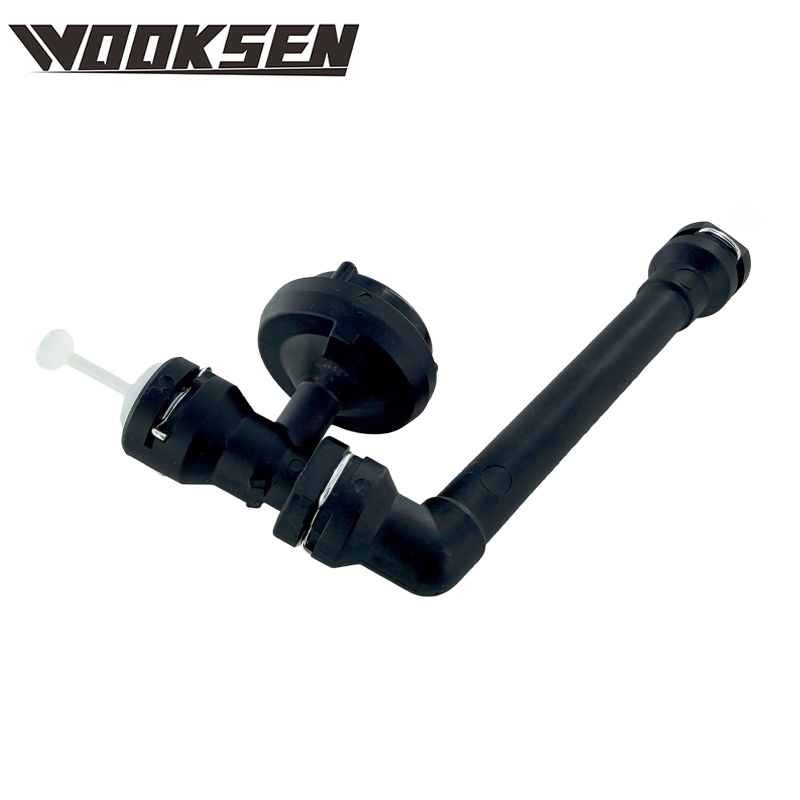
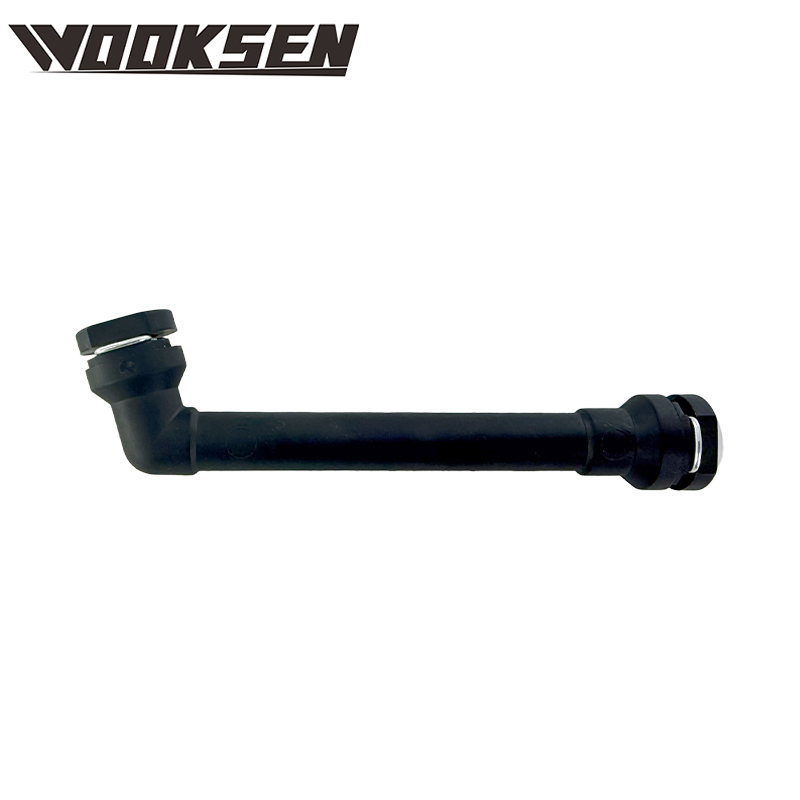
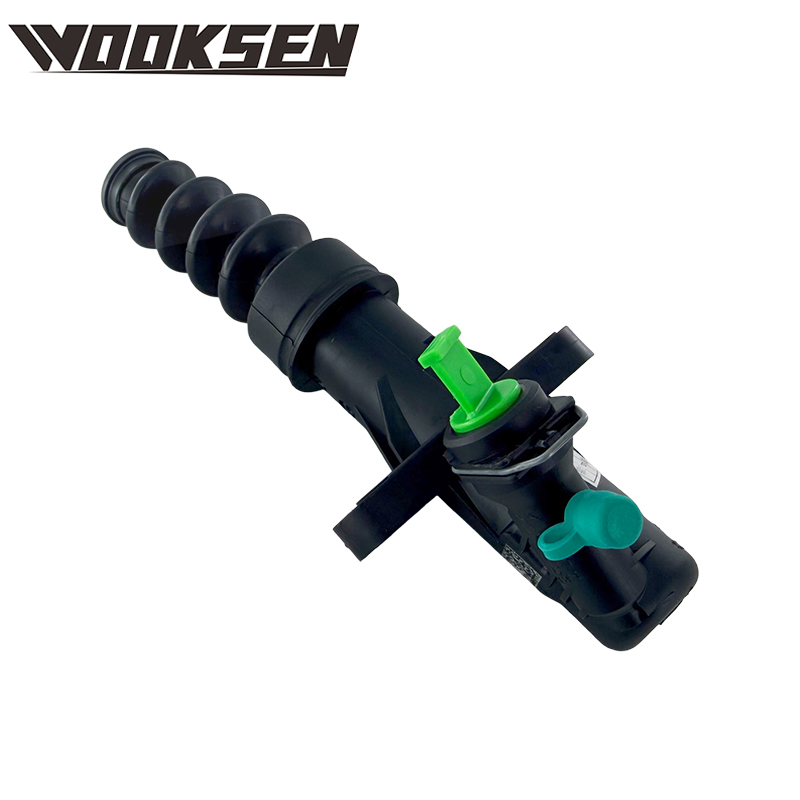
For Toyota TR40 and RT-80 models manufactured between 1964 and 1970, this master cylinder is not just "usable," but "the only usable one." These older Toyota models have been out of production for over fifty years, original parts are no longer available, and suitable replacements are extremely scarce. OE number XUI3536A (corresponding to Toyota original part number 31410-20061) is one of the few remaining replacement parts of the same specification still in production, specifically designed to address the parts shortage issue for these classic models.
-
Parameter Item Specifications Product Number (XUI) XUI3536A OE Number 31410-20061 Inner Bore Diameter (DIA) 15.87 mm Mounting Size Φ30 / 60 / 2-M8×1.25 (bolt fixing) Hydraulic Connection Specification (Connecting Size) M10 × 1.0 Mounting Method Bolt fixing Applicable Brake Fluid DOT 3 / DOT 4 Cylinder Body Material Cast Iron Seal Material Hydraulic-resistant Rubber Packaging Method Neutral Packaging / OEM Custom Packaging Available The clutch master cylinder is the core hydraulic component of the clutch system in a manual transmission vehicle. When the driver depresses the clutch pedal, the master cylinder converts this force into hydraulic pressure, which pushes the slave cylinder through the pipeline. The slave cylinder then disengages the clutch, allowing the gear shift to complete. Simply put, without the master cylinder, pressing the clutch pedal is like leaving nothing in the way—the vehicle cannot shift gears or move.
Compatible Models: 1964–1970 Toyota TR40 / RT-80
The Toyota TR40 / RT-80 (1964–1970) were light commercial and off-road platform vehicles produced by Toyota in the 1960s. They featured a body-on-frame construction and were known for their mechanical simplicity and high durability. These models were mainly distributed to Southeast Asia, the Middle East, Australia, Japan, and the Pacific region, where they were widely used for agricultural transport, mining operations, and light engineering.
Due to their simple structure and low maintenance requirements, a considerable number of these 1960s Toyota vehicles are still in service in rural areas of Southeast Asia and Australia, while some have been preserved and restored by collectors as classic cars. Both of these usage scenarios generate real demand for parts: the former is for actual repair needs, and the latter is for collection and repair purposes.
This master cylinder serves this highly segmented but genuinely demanding market.
Core Function: Three parameters determine whether it can be installed and how well it works.
The inner bore diameter of 15.87mm is the most critical dimension of this master cylinder. The inner diameter of the clutch determines the hydraulic output force during the piston stroke, which is the feel of the pedal. The clutch systems of the TR40 and RT-80 are relatively light; 15.87mm is the standard size for this hydraulic stroke design, smaller than the 19.05mm of later models (such as the J9/J12). They cannot be interchanged; incorrect specifications will result in abnormal pedal feel or, worse, insufficient hydraulic pressure to drive the slave cylinder.
The installation method is bolt fixing (M8×1.25 bolt). The installation dimensions Φ30/60/2-M8×1.25 correspond to the bolt hole positions of the master cylinder mounting bracket on the TR40/RT-80 body. This is a typical installation structure of Toyota models from the 1960s, different from the clip or pin installations commonly found in modern models. When purchasing, pay attention to the mounting hole spacing and bolt specifications; both must be perfectly matched for a secure fixation.
The hydraulic interface M10×1.0 is the thread specification for connecting the hydraulic line to the master cylinder. If this interface specification is correct, it will form an effective seal after installation, preventing hydraulic oil leakage and system pressure loss. M10×1.0 is the standard interface for the hydraulic lines of this model. If your spare lines or connectors are of different specifications, you need to confirm in advance whether you need an adapter.
What problems can this product solve for buyers?
The supply of parts for classic cars and older work vehicles is one of the least competitive yet most customer-loyal subcategories in the auto parts market. The reason is straightforward: people willing to repair a 1960s Toyota, whether for actual use or for collection and restoration, have a strong sense of purpose and loyalty to this model. They won't switch brands for a few dollars' difference in price—they just need to find the parts and have them installed and work.
For parts dealers focusing on the Australian, Southeast Asian, and Japanese classic car markets, the original factory number 31410-20061 is itself a search term for their target customer group. Dealers who can reliably supply parts corresponding to this number will build a strong reputation among local repair shops and collection/restoration circles, resulting in extremely high repurchase rates, but this is contingent on stable supply and consistent dimensions.
For independent brand operators looking to penetrate the classic car parts category, the pricing logic for these products is completely different from mainstream modern car parts—it's not about competing on low prices, but on reliability and stable supply. If your brand can establish a reputation for being "findable, installable, and reliable" in this niche market, it's easier to build a brand barrier than selling generic parts in a red ocean market.
For multi-brand classic car parts distributors, the logic behind this product is to complete their SKU matrix. Older Toyota models still have a real presence in Australia, New Zealand, and Southeast Asian island nations. If you're already selling other parts for Toyotas from the 1960s and 70s, adding this master cylinder allows your customers to purchase more parts from one place, eliminating the need to source from multiple suppliers. -
-
Related Products
-
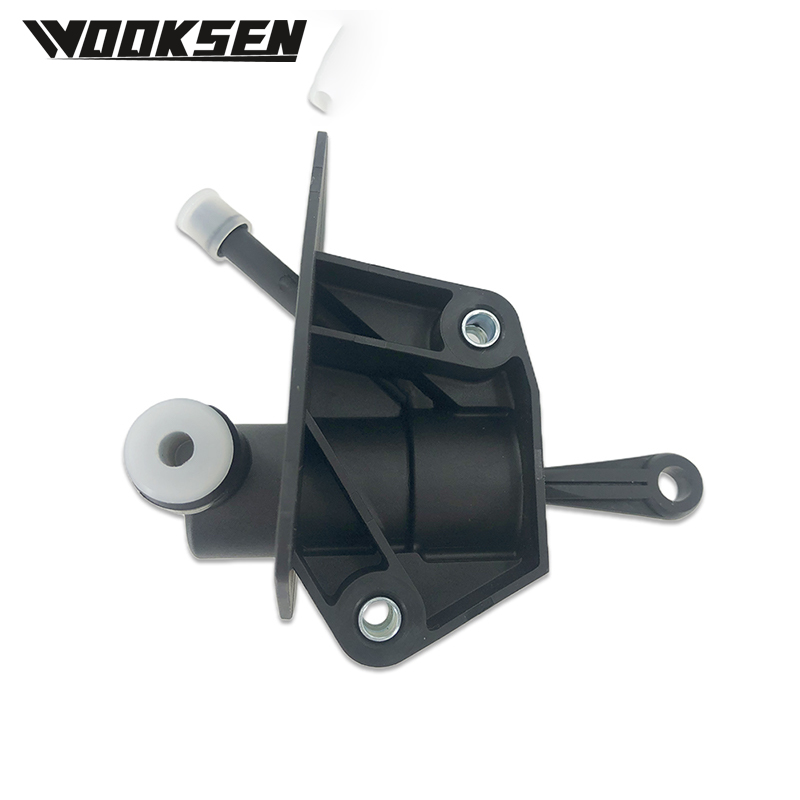
Hydraulic Fittings Clutch Master Cylinder for Puma 96FB7A543AF
Cat:Clutch Master Cylinders
Imagine driving a manual transmission car: that "perfectly balanced" resistance you feel underfoot whenever you press the clutch pedal is actually the...
See Details -
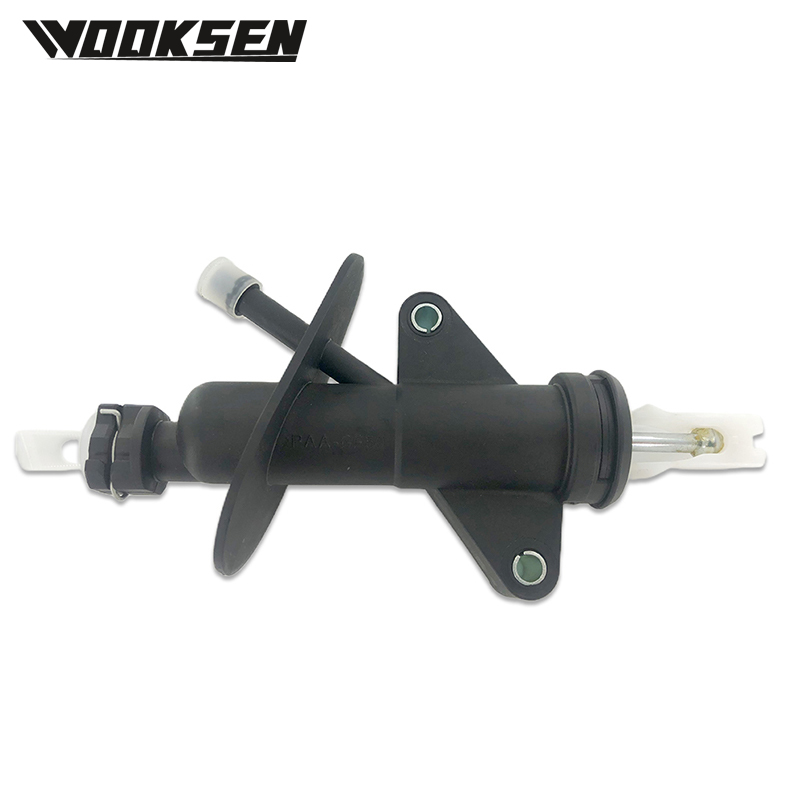
Sealing Performance Clutch Master Cylinder for Mondeo Mk3 C2S14144
Cat:Clutch Master Cylinders
The C2S14144 is a direct-fit replacement clutch master cylinder engineered specifically for the Ford Mondeo Mk3 platform. It carries an enhanced inter...
See Details -
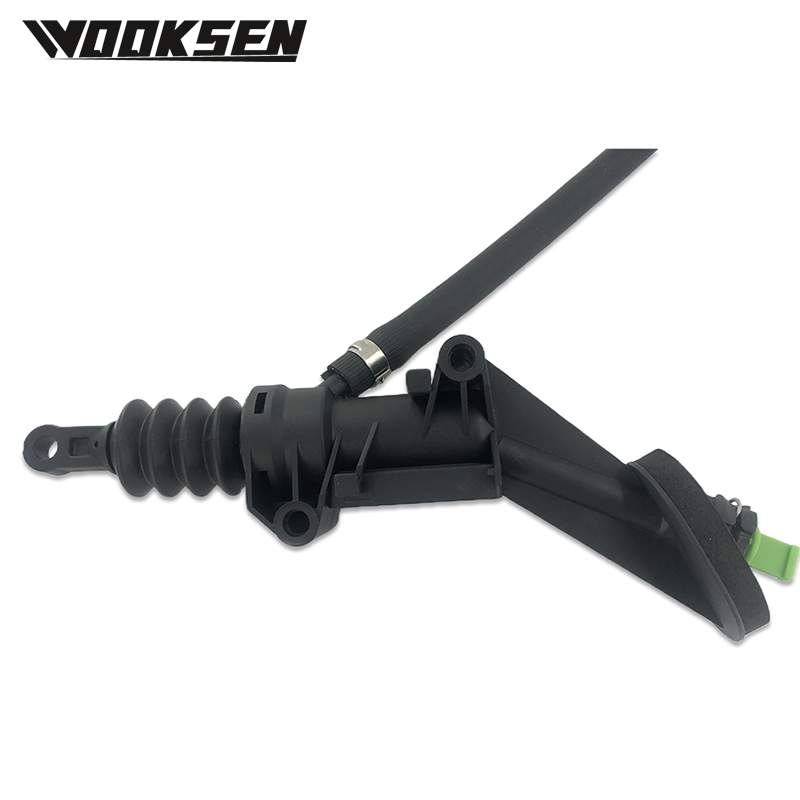
Long-pushrod Clutch Master Cylinder for Transit Mk6 1762805
Cat:Clutch Master Cylinders
Part number 1762805 is a clutch master cylinder for the Ford Transit Mk6, and the specification detail that defines this unit is the extended pushrod ...
See Details -
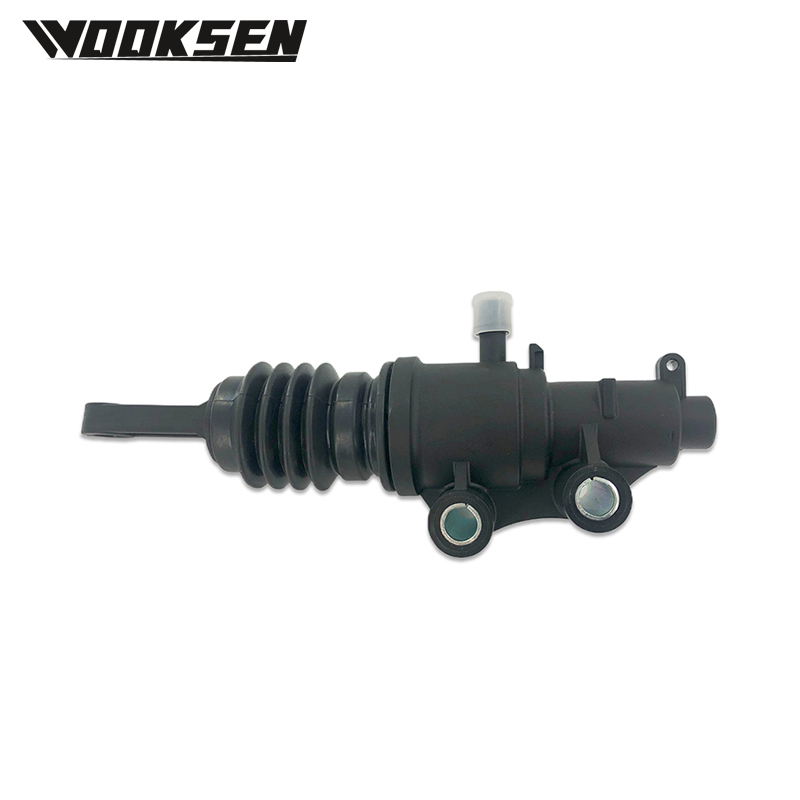
Clutch Master Cylinder With Enclosed Pushrod for Ranger Mk3 1863434
Cat:Clutch Master Cylinders
On a conventional clutch master cylinder, the pushrod that connects the pedal to the piston is partially exposed where it exits the cylinder body. In ...
See Details -
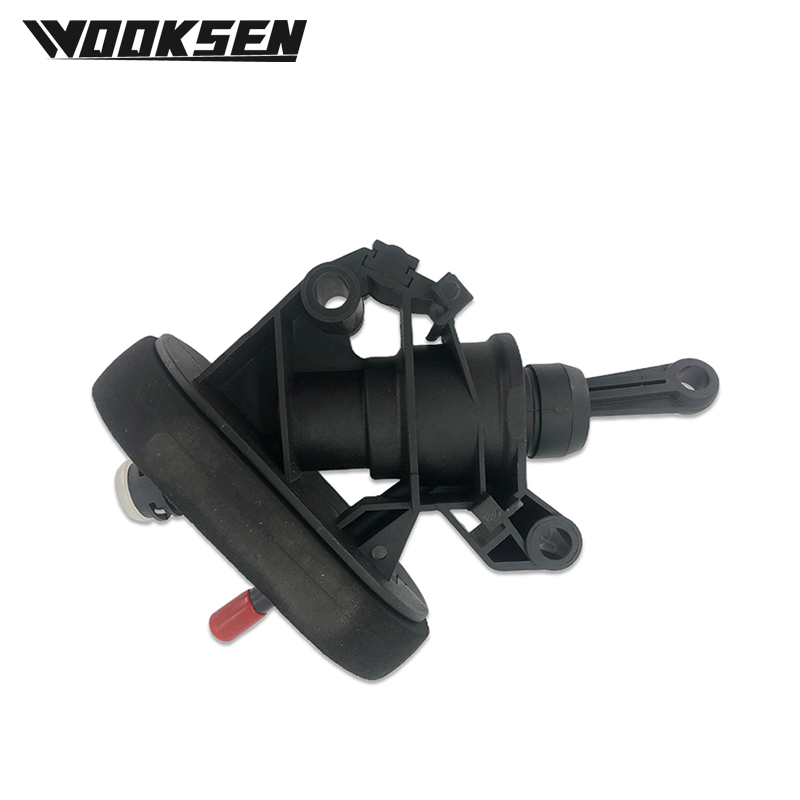
Flexible Connection Clutch Master Cylinder for Fiesta Mk6 1766725
Cat:Clutch Master Cylinders
Many clutch master cylinders connect to the pedal through a rigid bracket — fixed, inflexible, and highly sensitive to installation alignment. The Fle...
See Details -
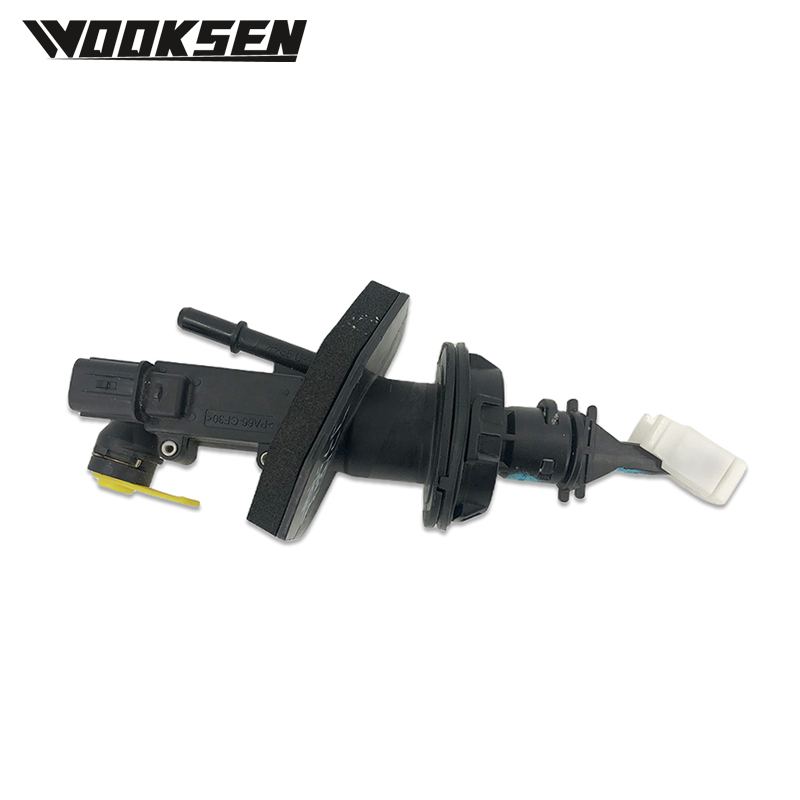
Clutch Master Cylinder with Comfortable Feel for MAZDA DA6A-41400
Cat:Clutch Master Cylinders
This clutch master cylinder is a high-quality hydraulic component developed by Wenzhou Xusen Auto Parts Co., Ltd. specifically for Mazda vehicles with...
See Details -
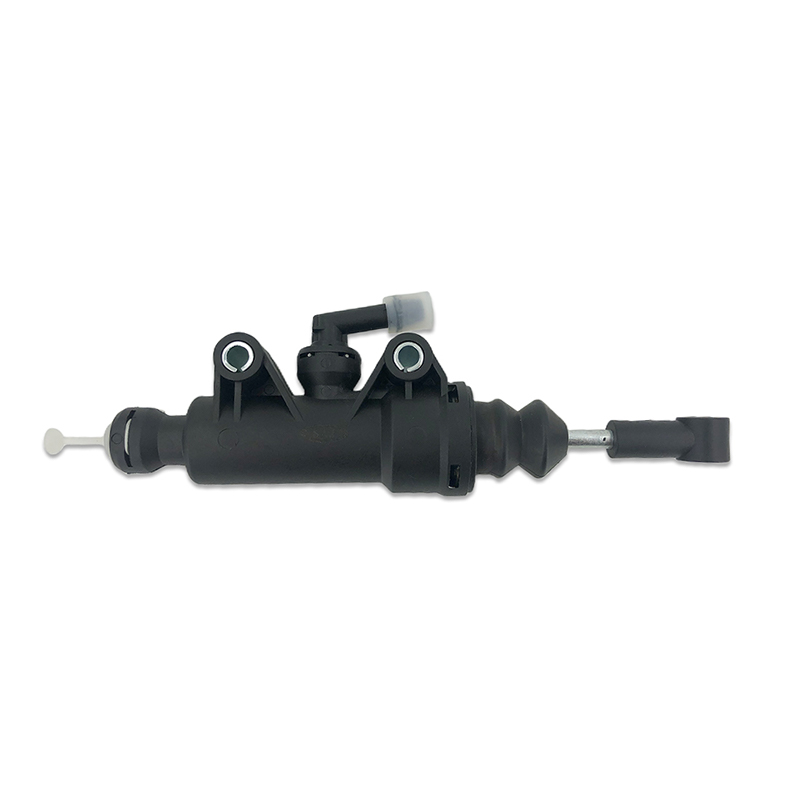
Clutch Master Cylinder with Balanced Return System for MERCEDES-BENZ 2112900312
Cat:Clutch Master Cylinders
Push the clutch pedal and you barely think about what's happening underneath — but somewhere between your foot and the gearbox, there's a small hydrau...
See Details -
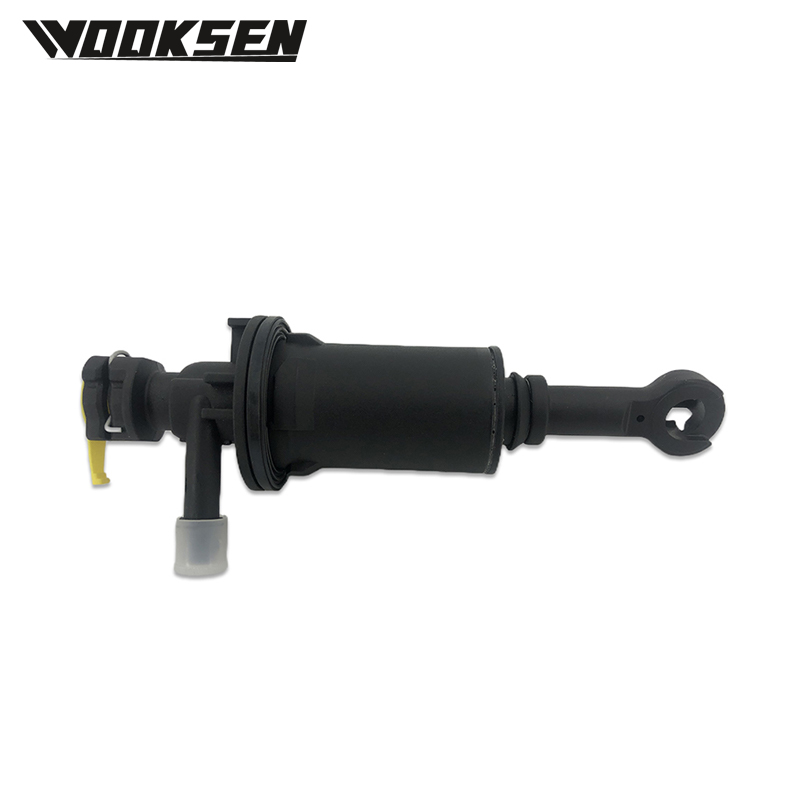
Clutch Master Cylinder with High-Temperature for Resistance NISSAN Primastar 4408427
Cat:Clutch Master Cylinders
In manual transmission vehicles, the clutch master cylinder serves as the hydraulic starting point for the entire clutch system. Located beneath the p...
See Details -
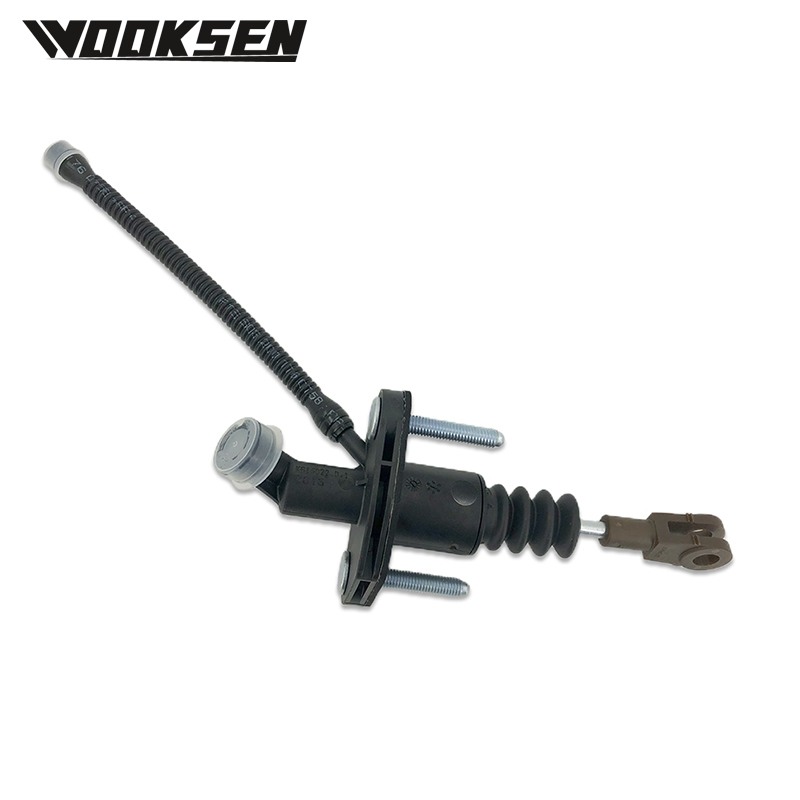
Stable Hydraulic Transmission Clutch Master Cylinder for OPEL Astra 90523770
Cat:Clutch Master Cylinders
The clutch master cylinder serves as the hydraulic heart of the clutch system in manual transmission vehicles. When the clutch pedal is depressed, the...
See Details -
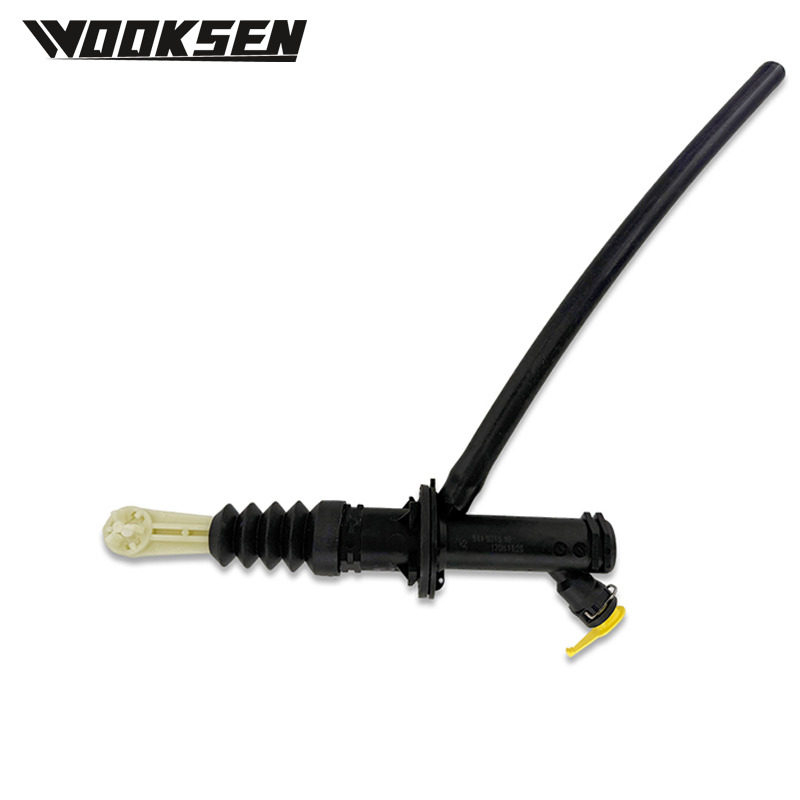
Low-friction Clutch Master Cylinder for RENAULT 306108010R
Cat:Clutch Master Cylinders
This low-friction clutch master cylinder for Renault is a core hydraulic component designed specifically for manual transmission vehicles. Installed a...
See Details




XUSEN IS A PROFESSIONAL CLUTCH PUMP AND BRAKE PUMP MANUFACTURER.
Wenzhou Xusen Auto Parts Co., Ltd. is one of the leading companies in the automobile industry with wide product varieties and a high production capacity. We specialize in manufacturing OEM quality clutch master cylinders, clutch slave cylinders, hydraulic brake master cylinders, brake wheel cylinders, and hydraulic clutch release bearings.
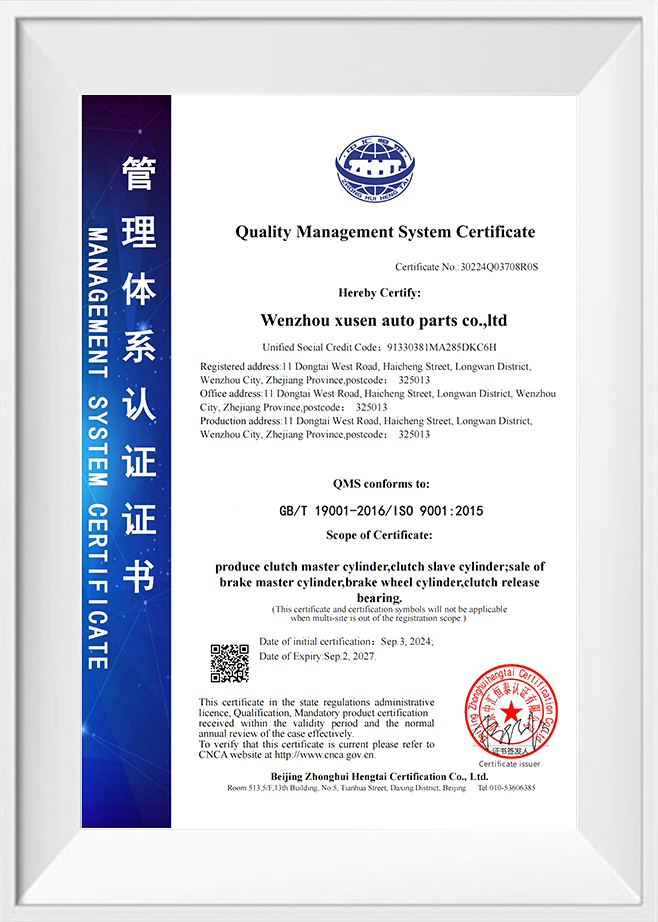
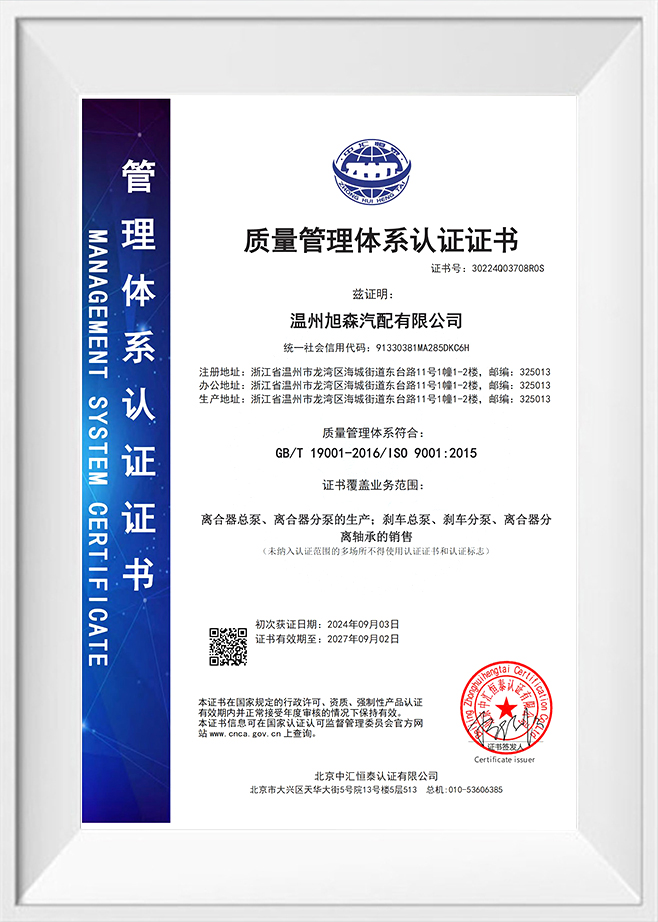
We pride ourselves in the quality of our products and to this end, all of the products we provide, to our customers are accredited to ISO9001-2000, VDA6, and TS16949 Quality Management System requirements. We focus on the concept of "Lowest price with the best quality from a local operation to global satisfaction", serving the interests of our clients.
Our parts are applicable for Volkswagen, Toyota, Nissan, Mitsubishi, Peugeot, Renault, Daewoo, GM, Ford, Benz, BMW, and other Japanese, European, and American vehicles, etc. All of them are mainly exported to Europe, America, the Middle East, Asia, Africa, and other regions in the world. Be a professional supplier & exporter of China automobile parts. Local Production, Global Satisfaction!

CERTIFICATE OF HONOR


NEWS CENTER
-
Why Part Number Identification Matters Automotive replacement parts often have similar shapes while ...
-
Understanding the Role of the 46100-SDB-A01 Brake Pump in Everyday Driving Drivers of certain mid-20...
-
Understanding the Role of a Clutch Slave Cylinder Changing gears involves more than moving a gear le...
-
The C2S14144 Clutch assembly plays a clear role in connecting and disconnecting power flow between a...
-
Part numbers rarely tell a story on their own — they just sit there in a catalog, waiting for someon...

From clutches to brakes, we ensure the safety and performance of every vehicle.
© Wenzhou Xusen Auto Parts Co., Ltd.
Car Clutch And Brake Assembly Suppliers
